Destination Overview

Kakogawa is a coastal city in the southern part of Hyōgo Prefecture, facing the Seto Inland Sea. That position gives the city a gentle maritime feel, where everyday streets and harbor-adjacent neighborhoods share a horizon of water. Travelers who land in Kakogawa usually arrive curious about how a mid-sized Hyōgo city holds its own against the better-known stops on the Kansai circuit, and how a slower pace can still feel rewarding. The local tourism scene is quietly modest. The city's own sightseeing information channel is an independent outlet that is still researching and writing up tourist information around the city, which is a fair signal that visitors should expect a work-in-progress landscape rather than a polished, all-in-one brochure.
That understated atmosphere is part of the appeal. Where other Japanese cities funnel travelers toward a few marquee sights, Kakogawa leans into its position along the Inland Sea and offers the kind of slow exploration that rewards travelers who like to map a place themselves. Travelers researching things to do in Kakogawa should plan for a flexible mindset, comfortable shoes, and the patience to let a city reveal itself.
Attractions and Planning
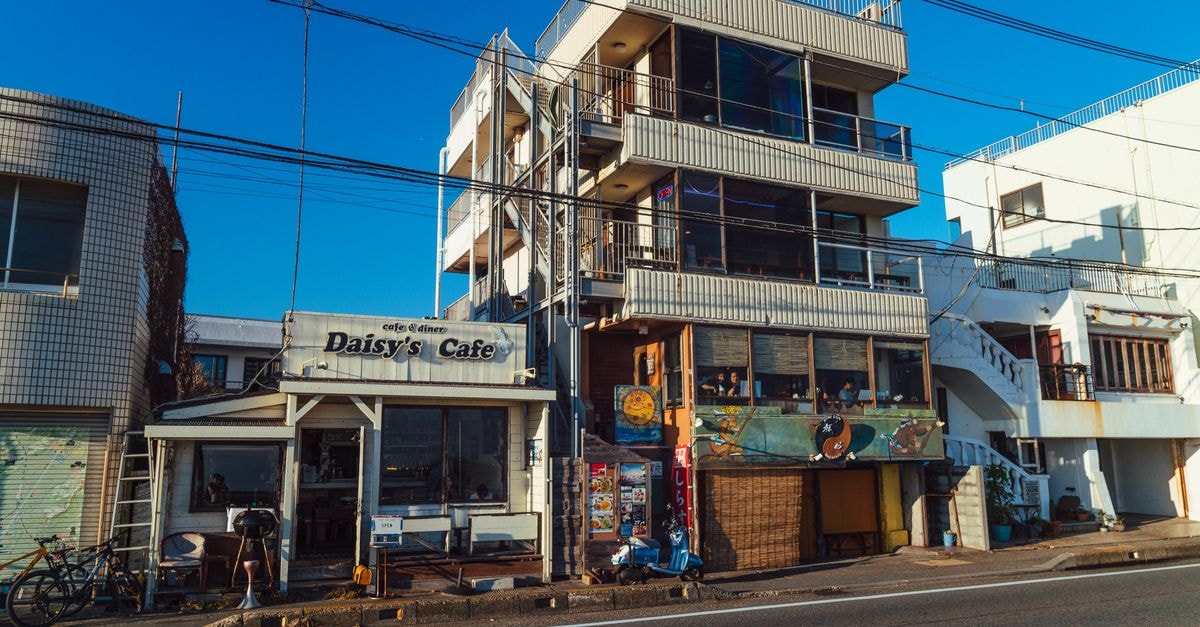
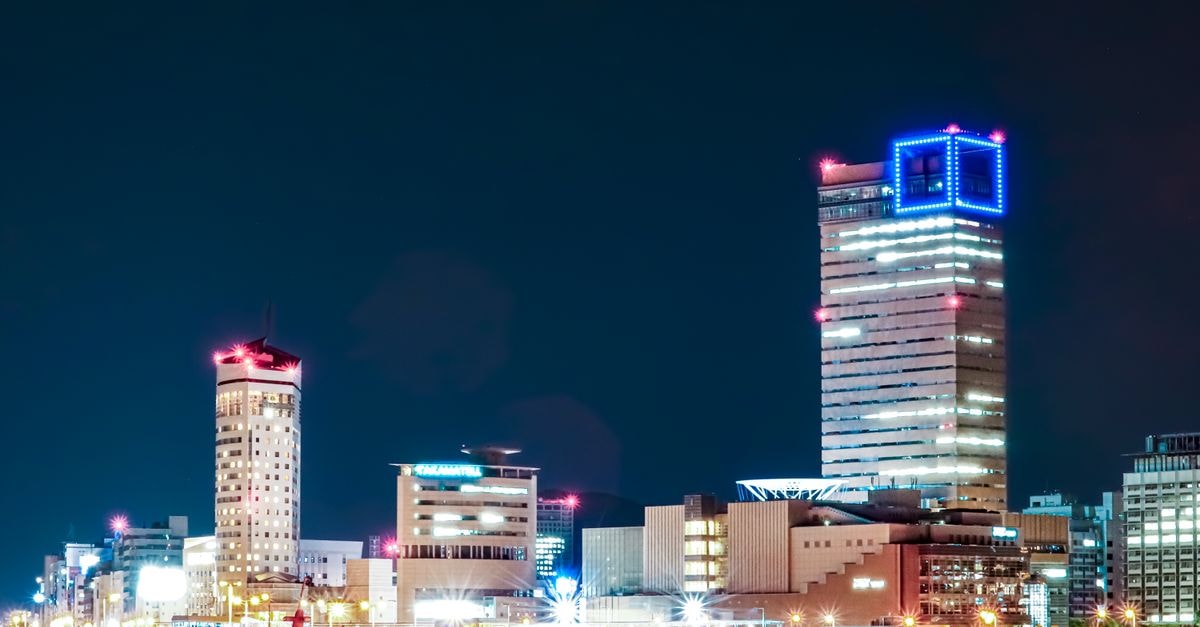
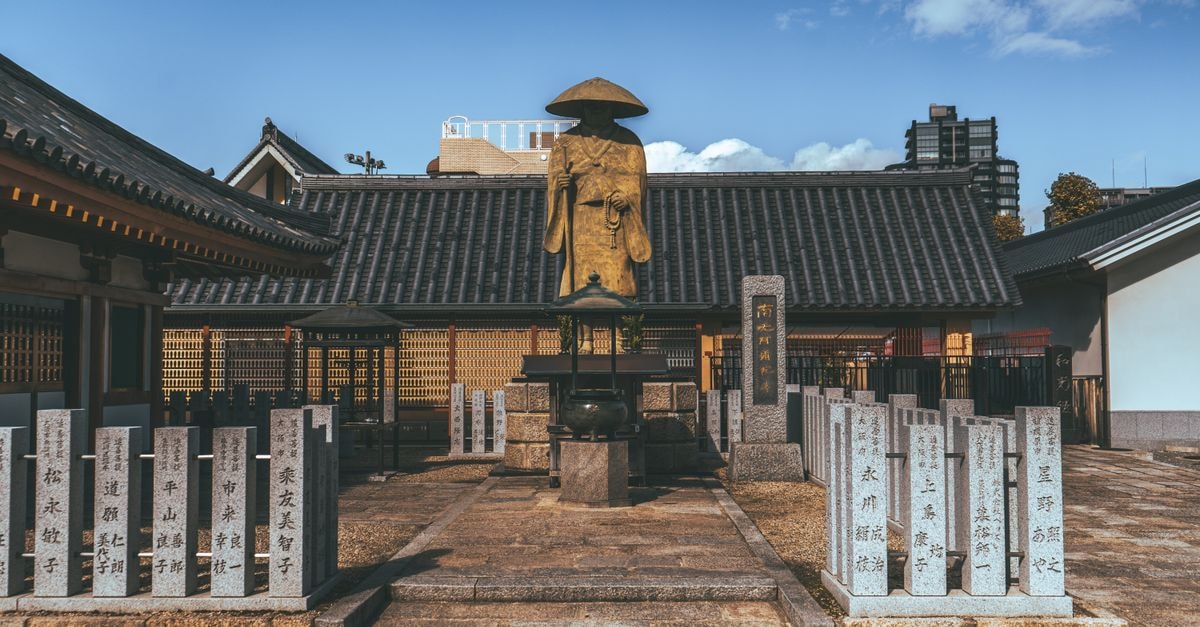
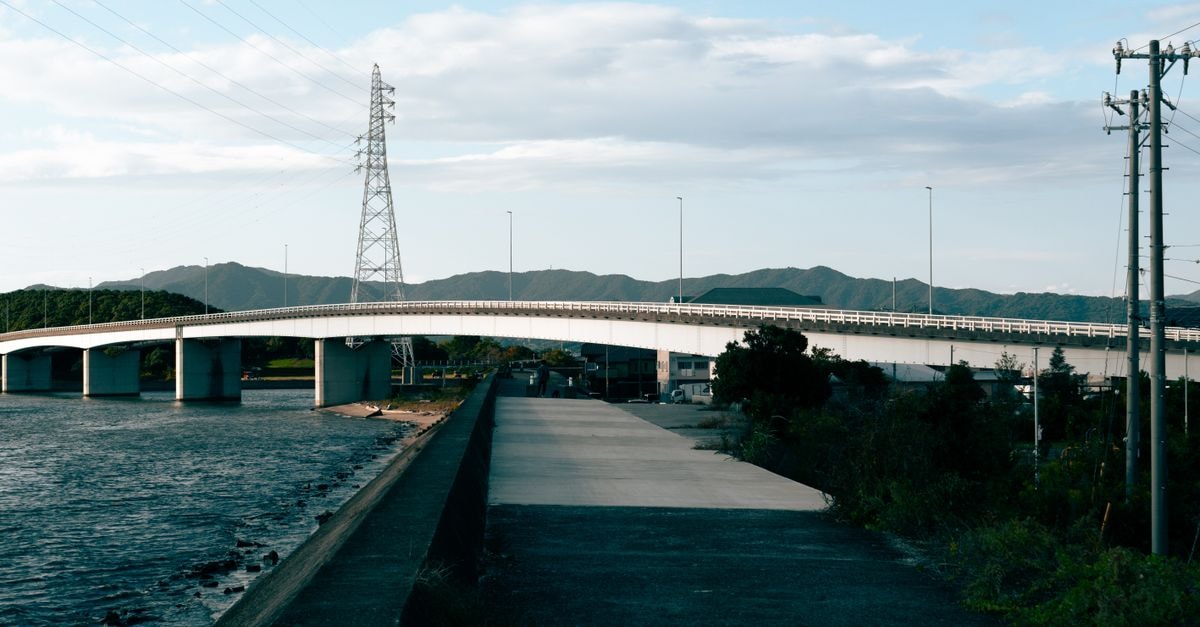
The strongest planning clue for Kakogawa comes from the geography itself: the city faces the Seto Inland Sea in the southern part of Hyōgo Prefecture, which means waterfront paths, harbor viewpoints, and coastal light should sit near the top of any must-see list. Independent listing pages that compile Kakogawa activities illustrate the city with community photography rather than a deep catalog of named venues. That tells visitors two useful things at once: the visual identity of Kakogawa is closely tied to its waterside character, and the most reliable way to find current sights is to cross-check the city's own information channel as new entries continue to be added.
A practical approach is to start with the sea-facing side of the city and build outward. Travelers who prefer harbor views over dense urban sightseeing may find Kakogawa's coastal orientation especially rewarding, since the Inland Sea is genuinely the visual anchor of the city. Photography-minded visitors may want to consider planning around the soft late-afternoon light that the Inland Sea tends to produce, which suits the community-photo aesthetic already used to represent the city in mainstream travel listings. For travelers who like to leave room for discovery, treating Kakogawa as a place to walk, look, and revisit a couple of favorite corners often feels more satisfying than racing through a checklist.
A few honest constraints are worth noting. Because the official city sightseeing channel describes itself as still investigating tourist information, visitors should expect that some on-the-ground details may be thin in English, and that asking a local tourism counter or hotel front desk for the latest schedule is often the cleanest way to fill in the gaps. Travelers who prize dense, fully translated sightseeing infrastructure may want to set expectations accordingly; those who enjoy assembling a route from photographs, maps, and a relaxed pace are likely to feel right at home here.
Food and Local Context
Kakogawa sits inside the wider Japanese culinary world, and visitors quickly notice that the country's cooking culture rewards curiosity. Japan as a whole emphasizes cooking techniques that are known for their health benefits, leans on specialty regional and seasonal ingredients, and treats food as an extension of cultural identity. For travelers in Kakogawa, that wider context shapes what ends up on the table without tying any specific dish, market, or restaurant to the city itself. Rather than searching for a single Kakogawa dish, travelers tend to have a richer experience by approaching meals the way Japanese kitchens do: by paying attention to technique, freshness, and the rhythm of the season.
In practical terms, that means letting menus lead rather than chasing a must-eat list. Sushi, grilled fish, seasonal vegetable preparations, broth-based dishes, and rice as a daily anchor are the kinds of choices visitors will encounter across Japan, and Kakogawa's Inland Sea location makes seafood-forward options a natural place to start. Travelers who enjoy understanding what they are eating may want to ask about cooking methods (raw, grilled, simmered, pickled) and the seasonal ingredient behind a dish, which tends to unlock more of the experience than ordering on autopilot. Visitors who prefer to keep meals simple will find that a bowl of rice, a piece of grilled fish, and a small side or two captures the everyday Japanese approach quite comfortably.
Because the approved evidence for Kakogawa food is limited to this national context, visitors should not assume a single signature dish defines the city. Treating each meal as a small lesson in Japanese food culture, rather than as a quest for one local specialty, suits the destination's character well.
Choosing What Fits the Trip
A few tradeoffs help shape the right kind of visit. Travelers who prize a dense catalog of named landmarks, polished English-language signage, and tightly scripted itineraries may find Kakogawa under-described; those who enjoy interpreting a place through its coastline, its photography, and its emerging tourism channel will likely feel the opposite. The city's inland-sea setting is the strongest reason to come, so any plan that builds in unhurried time along the water will pay off more than rushing between formal attractions. Meals work best when treated as a window into Japanese cooking culture rather than a hunt for a signature dish. Above all, plan lightly and leave room to ask locally for the freshest details.
A Final Note Before You Go
Factual travel conditions in any Japanese city can change: opening hours, recommended routes, and local services shift over time, and the city's own sightseeing channel notes that its coverage is still being researched. Before departure, checking the latest information through official Hyōgo tourism channels and on-the-ground sources in Kakogawa is the most reliable way to confirm what is currently open, how to get around, and where to eat. Treat this guide as a starting framework for an unhurried visit to a coastal Hyōgo city, and let the latest local information refine the details.
Prices, opening hours, schedules, reservation rules, and local conditions can change; verify them through official channels before departure.
Share this article
TOOLS FOR THIS PLAN
Make the Kakogawa plan measurable
Choose a tool only when it answers the next question in your trip. Your values stay in the browser, and each tool offers a route back to this planning context.