A first look at Semarang

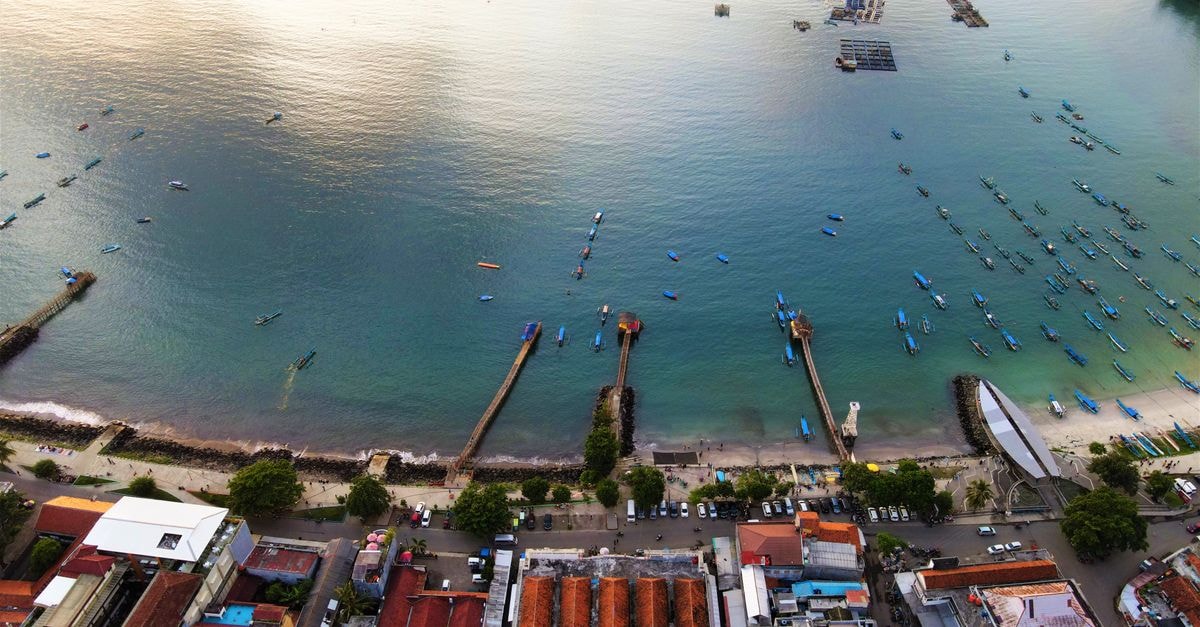
Semarang sits along the northern coast of Central Java, a port city where the hills meet the sea breeze and the streets hum with a gentle, lived-in energy. Walking through its neighborhoods often feels like moving between eras: old European-style facades, modest lanes, and small food stops that locals treat as part of the daily rhythm rather than a sightseeing checklist. For travelers who enjoy cities that reward curiosity over speed, Semarang offers a kind of unhurried discovery, the sort where a curious detour becomes the day's real highlight.
This guide gathers the practical threads an independent visitor actually needs: what to keep in mind about the weather and seasonal flow, how to read the transport picture without overcommitting to a route, and how to approach the city's food culture with both appetite and respect.
Weather and seasonal context
The coastal setting of Semarang tends to create a warm, humid atmosphere throughout much of the year, and the city is often described in visitor guides as a place where mornings feel softer than afternoons. Rather than chasing a single ideal weather window, it helps to think of Semarang as a city that suits a flexible pace.
When planning temple visits and outdoor sightseeing, the early hours are frequently the most comfortable window of the day. One approved travel reference notes that, while visiting the temples, it is well-advised to arrive at the earliest since these places tend to get crowded. Travelers who prefer quieter photo moments and cooler air may want to set an early start, and structure midday around a long lunch, a café stop, or a short rest before heading out again.
Travel guides covering Semarang tend to position the city as a year-round destination rather than a strictly seasonal one, with general descriptions of "must-see attractions" and "things to do" appearing across recent visitor resources. For a traveler who dislikes rigid itineraries, this framing is actually useful: it suggests the city can be enjoyed whenever you arrive, provided you pace the day around your own energy rather than the clock.
A small piece of practical wisdom: lightweight clothing, a refillable water bottle, and a willingness to slow down tend to matter more in Semarang than any precise seasonal strategy.
Getting around the city
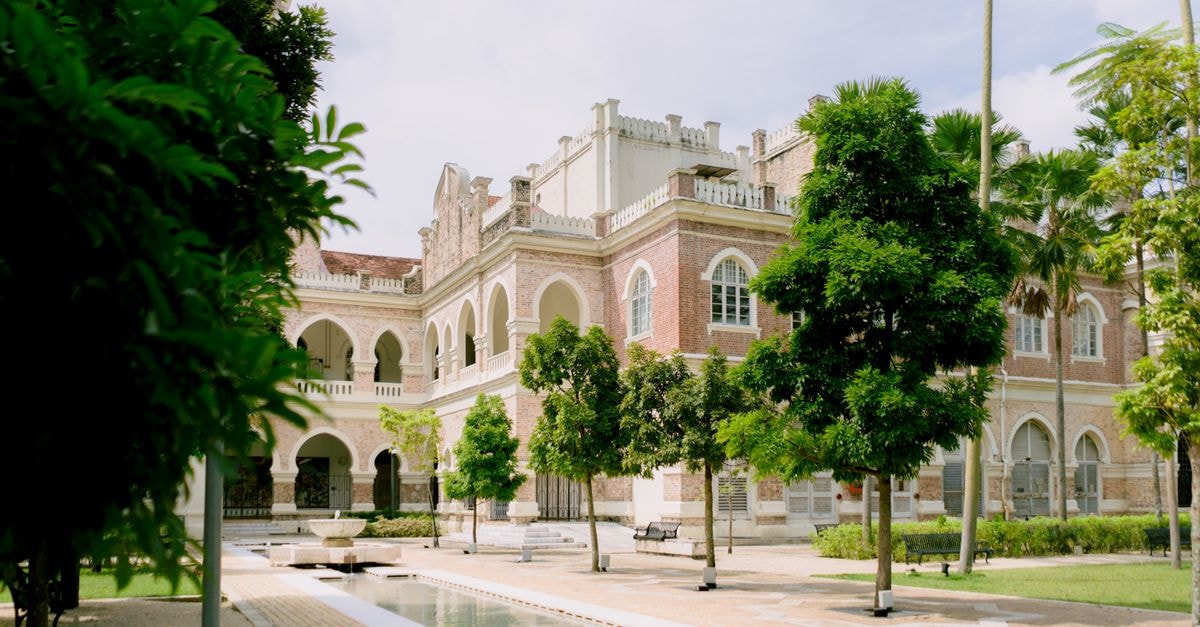
Semarang's character shows up most clearly in its older neighborhoods, where the architecture still tells a layered story. One visitor reference highlights that, even though they are 200 to 300 years old, the European-style buildings in the Old Town tourist area of Semarang still stand strong. Walking through these streets is often the most rewarding way to absorb the city's texture, because the details, the columned facades, the weathered doorways, the quiet corners, reveal themselves only at a pedestrian's pace.
The Old Town area is also described in traveler guides as a notable shopping district, with stops commonly highlighted around Kota Lama Semarang and the Semarang Contemporary Art Gallery. For visitors who enjoy combining browsing with sightseeing, this means a single wander through the heritage zone can cover art, architecture, and small independent shops without the need for a strict plan.
Food naturally becomes part of the transport picture here, because many of the most memorable meals happen in places that double as gathering spots. One visitor-focused reference points to Waroeng Kaligarong - Kuliner Semarang Panjaitan as a laid-back option for traditional Indonesian dishes in a cozy setting, describing it as a great place to relax and savor the local flavors while mingling with fellow travelers and locals alike. Travelers who enjoy social eating, where the room itself is part of the experience, may find this kind of venue especially welcoming.
Because the city's appeal is tied to walking between short distances, comfortable shoes and a relaxed mindset tend to be more useful than a packed schedule.
Food and local context
Semarang is widely described as a city with a strong culinary identity, and the local food scene often centers on a few signature items that visitors quickly come to recognize. One city-level reference points to legendary culinary delights that range from spring rolls (lumpia) to tahu gimbal, framing the city as a place where these classic dishes are part of the cultural conversation. For travelers who like to eat their way into a destination, this is a generous starting point: a short list of recognizable dishes that can guide both first-timers and returning visitors.
Indonesian food culture more generally is built on markets, street stalls, and family-run restaurants, where the setting often tells you as much about a place as the menu. Visitors who enjoy conversation with stall owners, browsing for the freshest option, or simply watching a dish come together tend to find this approach especially rewarding. Semarang fits naturally into that wider Indonesian rhythm.
Across Indonesia, food is also shaped by halal traditions, as the country is a predominantly Muslim country and observes strict halal dietary practices. For travelers exploring Indonesia more broadly, including time in Semarang, it helps to know that halal considerations are a normal part of dining culture, and that asking about ingredients or preparation is generally welcomed rather than seen as intrusive. A short, friendly question before ordering can make the experience smoother for everyone.
For visitors who appreciate layered cuisines, the combination of signature local dishes and broader cultural context makes Semarang a city where meals become part of the memory, not just a break between sightseeing.
Choosing what fits the trip
Because Semarang rewards a particular kind of traveler, it can help to think in terms of personal rhythm rather than a checklist. Visitors who enjoy heritage architecture on foot, slow meals in social settings, and the flexibility to plan around energy and weather may find the city suits them especially well. Those who prefer fully guided routes or tightly timed itineraries may want to leave space in the day for unplanned stops, since the Old Town's charm tends to emerge in the detours rather than the main route. Travelers focused on food will likely appreciate treating meals as events in their own right, especially in venues that double as gathering spaces. And anyone sensitive to crowds should consider setting temple visits and popular heritage corners for the earliest part of the day, when footfall tends to be lighter.
A small note before you go
Travel details, including opening hours, transport options, and food spots, can shift over time. Treat the suggestions above as a starting frame rather than a fixed script, and check official channels closer to your trip for the most current information. A little flexibility often turns a good visit into a memorable one.
Share this article
TOOLS FOR THIS PLAN
Make the Semarang plan measurable
Choose a tool only when it answers the next question in your trip. Your values stay in the browser, and each tool offers a route back to this planning context.