A quiet, well-priced pocket of western Ukraine

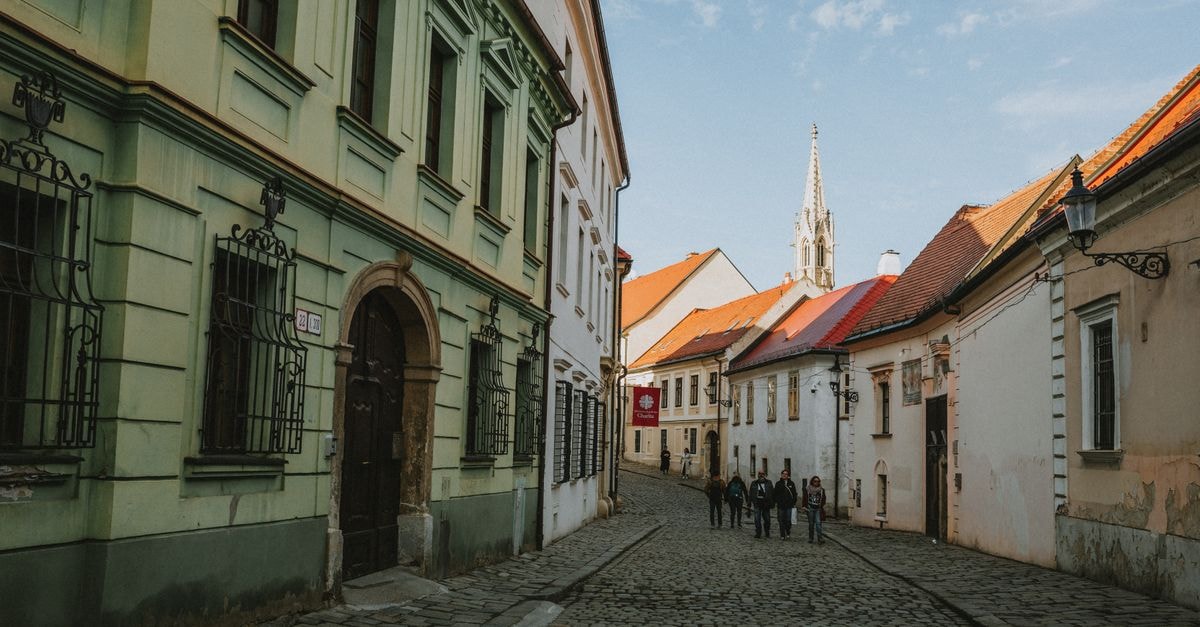
Ternopil has the feel of a city that rewards unhurried exploring. Set in the Ternopil Oblast of western Ukraine, it is the kind of place where you can settle into a slower rhythm, wander through green corners of town, and still feel like you are part of a living, breathing Ukrainian city rather than a museum exhibit. Travellers who like to keep their plans loose tend to appreciate it most: there is enough to fill a couple of days without the sense that you have to sprint from landmark to landmark.
What tends to surprise first-time visitors is how accessible the city feels. Compared with the capital or with larger European destinations, the everyday costs in Ternopil are notably gentle, and that single detail shapes a lot of the experience. You can be more spontaneous with your evenings here, more generous with an extra coffee or a second stop, and less worried about the bill at the end of the night. That affordability is not a marketing slogan; it is one of the clearest practical differences you will feel between Ternopil and bigger, more touristed Ukrainian cities.
Getting around and keeping the budget easy
The best way to think about money in Ternopil is to think about it less. Entertainment in the city is very affordable compared with larger European cities and even with Kyiv, the Ukrainian capital, which means the usual pressure around spending tends to fall away. Cover charges at clubs are modest, and drink prices stay reasonable, so an evening out does not need to feel like a calculated financial decision. You can linger longer at a café, accept a second drink with friends, or follow a local recommendation into a small bar without the same hesitation you might have in a more expensive capital.
For visitors used to budgeting tightly in other cities, this looseness is genuinely part of the pleasure of being here. It also means you can let small choices guide your day: walk a little farther because a park looked inviting, stop for a snack because a café looked busy with locals, or stay out later because the atmosphere felt right. None of these decisions carry the weight they might elsewhere, and that freedom quietly defines the Ternopil pace.
A practical tip that fits this spirit: decide on a loose daily shape rather than a strict schedule. Because costs are forgiving, you can afford to follow curiosity instead of a checklist, and the city tends to reward that approach.
Attractions and planning your days
Ternopil is the kind of city where inspiration matters more than a fixed itinerary. The available visitor guidance frames the city as a curated mix of top-rated spots, local favourites and hidden gems, which is a useful way to think about planning your time. Rather than chasing every recommended sight, it helps to treat the city's attractions as three loose layers.
The first layer is the well-known places that any visitor will probably want to see at least once. These give you the classic Ternopil frame and the visual shorthand for the city. The second layer is the local favourites, the spots that residents themselves like to spend time in, which often give a more honest feel for daily Ternopil life. The third layer is the hidden gems, the quieter corners you stumble into by accident or because a local pointed you in the right direction. Together, those three layers tend to make a satisfying short stay, and they match the way the city's own travel framing is described in visitor materials.
A useful habit is to sketch one anchor for each day and leave the rest open. Pick a park or a central area as your starting point, spend a relaxed morning or afternoon there, and let the rest of the day fill in around that anchor. Because the city's attractions are described in curated-list terms rather than as a checklist of must-see sights, you give yourself permission to skip anything that does not appeal in the moment. That flexibility pairs naturally with the easygoing cost of the city and with the slower pace that most travellers fall into within a day or two.
Food and local context
Ternopil sits inside a much wider Ukrainian food culture, and understanding a little of that national context helps make sense of what you will see on local menus. Ukrainian food culture is famously direct. The country itself does not do subtle, and that confidence shows up in dishes designed to be filling, generous and satisfying rather than delicate. When you sit down to eat in Ternopil, you are stepping into that broader tradition, and the experience tends to feel hearty and grounding rather than fussy.
Among traditional Ukrainian dishes, the one that tends to define the country's culinary heritage is borscht, the beet-based soup known in Ukrainian as борщ. Borscht is not a pink, anemic bowl of liquid. It is a deep, serious soup, often rich with vegetables and meat, and it is treated as a point of national pride rather than a casual side. If you try it once in Ternopil and find it more substantial than you expected, that is exactly the reaction Ukrainians are hoping for. It is also a useful first dish to order because it sets the tone for what to expect from the rest of the menu: bold, generous, and built to satisfy rather than to impress with technique.
Because this is country-level context rather than a city-specific claim, treat it as background rather than a guarantee of what any one restaurant will serve. Menus in any given café or restaurant will reflect their own choices, and Ternopil's own dining scene will have its own personality on top of these broader Ukrainian patterns. The point is simply that the national culinary identity is part of the backdrop against which you will be eating, and borscht is the most recognisable piece of that backdrop.
A note on safety and general awareness
Any visit to Ukraine, including a quieter regional city like Ternopil, takes place against a wider national context that visitors should keep in mind. Ukraine is a diverse Eastern European nation rich in history, culture and natural beauty, and that richness is part of what makes a stay interesting. At the same time, general conditions in the country can change, and travellers are advised to check official travel advisories from their own government before departure, both for safety guidance and for any entry or transit requirements that may be in place. Local guidance and common sense still matter even on a relaxed trip, so treat the usual travel precautions as part of planning rather than an optional extra.
A final practical note
Factual travel conditions can shift quickly, so before you go it is worth re-checking the basics: current entry requirements for Ukraine, the status of transport links into and around Ternopil Oblast, and any local guidance that has been issued. Prices, opening hours and schedules for specific venues should always be confirmed directly with the establishment or with an official source, because general visitor descriptions do not always reflect the latest situation on the ground. A little pre-trip verification keeps the easygoing Ternopil mood intact once you arrive.
The short version of this guide is simple. Ternopil is a city of soft costs, curated sights and a national food culture built on bold, generous flavours. Plan loosely, budget comfortably, eat a bowl of borscht, and give yourself room to wander.
Share this article
TOOLS FOR THIS PLAN
Make the Ternopil plan measurable
Choose a tool only when it answers the next question in your trip. Your values stay in the browser, and each tool offers a route back to this planning context.