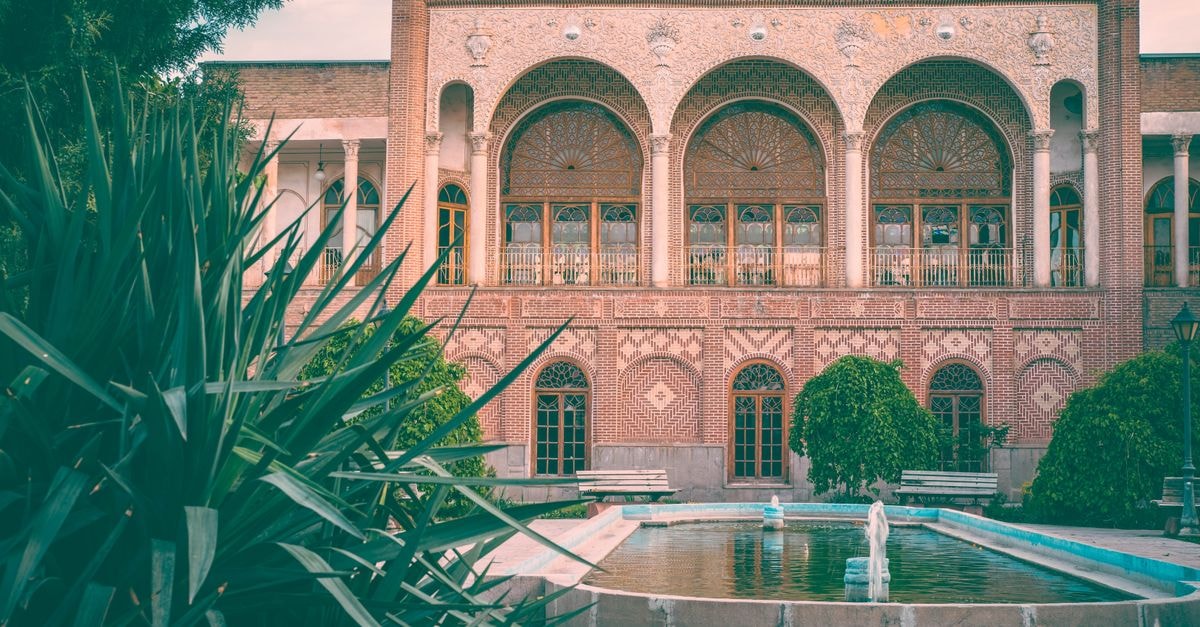
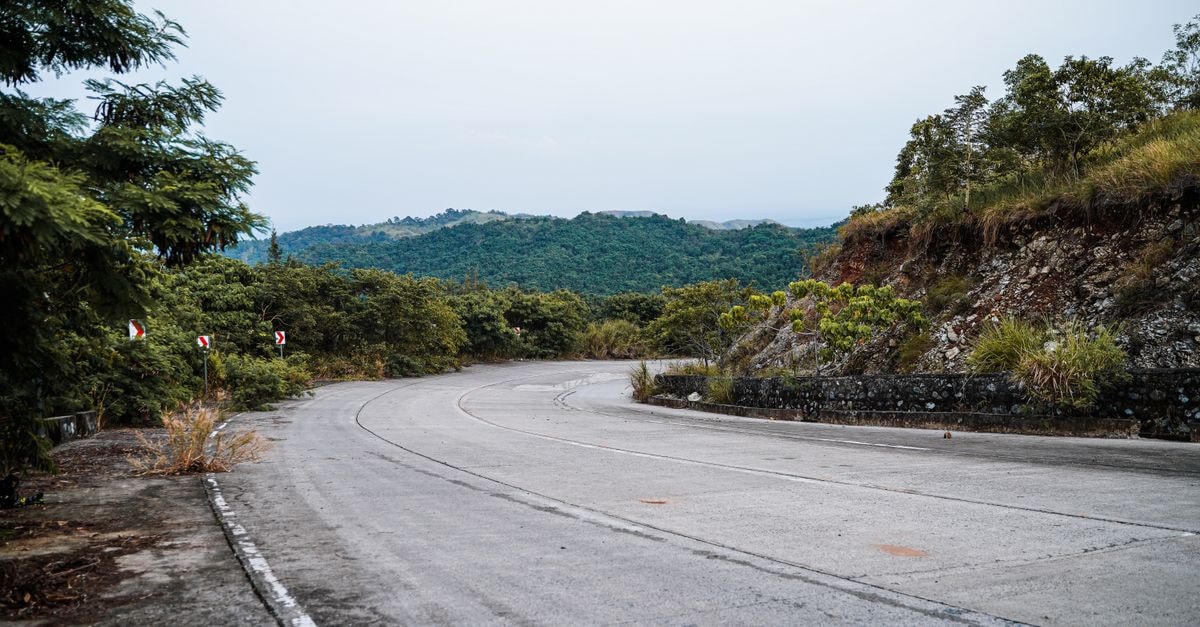
A Quiet Capital Framed by Water and Forest

There is something unhurried about Thiruvananthapuram that creeps up on you. Tucked into the southern tip of Kerala, the city moves at the gentle pace of its backwaters, beaches, and forested edges. Travellers tend to arrive expecting a busy capital and instead find a place where the natural scenery does most of the talking.
The city is skirted by backwaters, beaches, and dotted with a number of scenic waterfalls and lakes. That single line captures the geography well: every neighbourhood seems to brush against some form of water. You walk out of a temple courtyard and there is a stretch of sand a short ride away; you finish a museum visit and a quiet lake edge beckons. Thiruvananthapuram wears its scenery lightly, never demanding attention, simply offering it.
This is a guide shaped entirely around what can be confirmed through official and authoritative sources: the city's natural charms, its sacred heritage at the Sree Padmanabhaswamy Temple, and a small but meaningful cluster of museums that tell Kerala's deeper story.
Weather and Seasonal Context
Thiruvananthapuram sits in Kerala's tropical belt, which means the climate typically feels warm and humid for much of the year, with a monsoon rhythm that softens the heat. While direct monthly temperatures are not part of the confirmed evidence here, visitors can expect a city where light rain is rarely far away and where the air carries a green, leafy weight. Pacing the day with indoor breaks is often a comfortable choice, especially around midday when the humidity can feel heavier.
The official tourism portal for the city welcomes travellers through its digital entry point, an evolving space that continues to update with new features and visitor suggestions. It is worth bookmarking that portal before your trip, as it remains a live channel for any changes to entry rules, ticketed sites, or local advisories. Pack accordingly: breathable fabrics, a compact umbrella, and shoes that handle slick temple floors as easily as sandy paths.
Sacred Heritage at the Heart of the City
At the emotional centre of Thiruvananthapuram stands the Temple of Sree Padmanabhaswamy, a shrine so old that its origins are described as lost in antiquity. It is one of those rare places where historians admit that the founding date cannot be pinned down with any exactitude from reliable historical documents, and the original consecration of the presiding deity is similarly unrecorded. That sense of timelessness is part of what draws visitors; standing inside the temple complex, you sense layers of devotion that no single century can contain.
The temple is not simply an architectural landmark; it is woven into how the city sees itself. Even travellers who spend only a short window in Thiruvananthapuram often find their visit quietly anchored by this site. Treat it with the respect any functioning shrine deserves: modest dress, removed footwear, and a willingness to follow the rhythms set by priests and worshippers rather than your camera.
Getting Around and Practical Logistics
Moving through Thiruvananthapuram is generally straightforward, though the city rewards a little patience. The official tourism and district portals are the most reliable channels for up-to-date transport information, and they actively invite feedback at the Ministry of Tourism contact address. That feedback loop matters because local conditions, routes, and timings can shift, and these portals are where updates tend to appear first.
Rather than prescribing a route map or a timetable, the practical advice is to lean on local guidance for the day. Ask at your stay about the current state of main roads during your visit, and treat any informal directions with a friendly ear. The geography is forgiving: most of the attractions touched on in this guide sit within reach of one another, and the city's coastal flatness makes distances feel shorter than they look on a map.
Attractions and Planning
The city's natural charms include backwaters, beaches, waterfalls, and lakes, and they form a soft counterpoint to the structured cultural sites. Kerala is not just a place of tropical and exotic beauty; that framing from a museum context reminds visitors that the state's appeal stretches well beyond scenery into art, history, and lived traditions.
For a focused day of sightseeing, a museum anchor worth knowing about is the Museum of History and Heritage in Thiruvananthapuram. It is described as the first thematic and interactive museum in Kerala, established in 2011 as an autonomous body under the Cultural Affairs Ministry. It showcases various aspects of the culture and heritage of the state, which means a single visit can sketch out Kerala's art forms, social history, and regional distinctiveness in a way that complements the temple visit beautifully.
Pairing the museum with a quieter stretch of nature, perhaps a beach walk or a pause by one of the nearby lakes, tends to make for a satisfying day without rushing. If you have more time, the backwaters and waterfalls around the city offer a slower counter-rhythm, places to simply sit and watch Kerala's signature green landscape breathe.
A Note on What's Beyond This Guide
A few common travel elements, such as restaurant recommendations, hotel pricing, transport timetables, and currency conversion, are deliberately not included here because the confirmed evidence does not support specific claims about them. Travellers are encouraged to check current rates and bookings through official channels before departure, as factual travel conditions can change without notice. The Ministry of Tourism feedback contact is one such channel; official Kerala district portals are another.
The beauty of Thiruvananthapuram is that it does not demand a packed itinerary. Even a short, well-paced visit, anchored by the temple and a museum, framed by a stretch of coast, can leave a lasting impression. Treat the city as a quiet companion rather than a checklist, and it will reward you with the kind of memories that come from slowing down in a tropical capital where history and nature share the same address.
This guide is evergreen and reflects only the facts supported by official sources at the time of writing. Conditions on the ground, including transport availability, site access, and visitor rules, may evolve. Always verify current details through official channels before and during your trip.
Share this article
TOOLS FOR THIS PLAN
Make the Thiruvananthapuram plan measurable
Choose a tool only when it answers the next question in your trip. Your values stay in the browser, and each tool offers a route back to this planning context.