# Slow Days in Kerman: A Quiet Travel Guide to Iran's Historic Southeast

There's a particular rhythm to Kerman that sets it apart from Iran's better-known hubs. Tucked into the southeastern quarter of the country and ringed by mountains, the city wears its long history lightly, offering visitors a slower, more contemplative experience of Iran. Travelers who come here aren't usually chasing a headline list of sights; they're often looking for old bazaar lanes, archaeological depth, and a sense of place shaped by centuries of trade across the plateau.
This guide leans into that quieter approach. It focuses on the durable essentials: where Kerman sits within Iran, how to move in and around it, and which heritage stops anchor a visit. It's written as evergreen city guidance, so the practical framing here stays useful regardless of when you read it.
A city carved between mountains and plateau
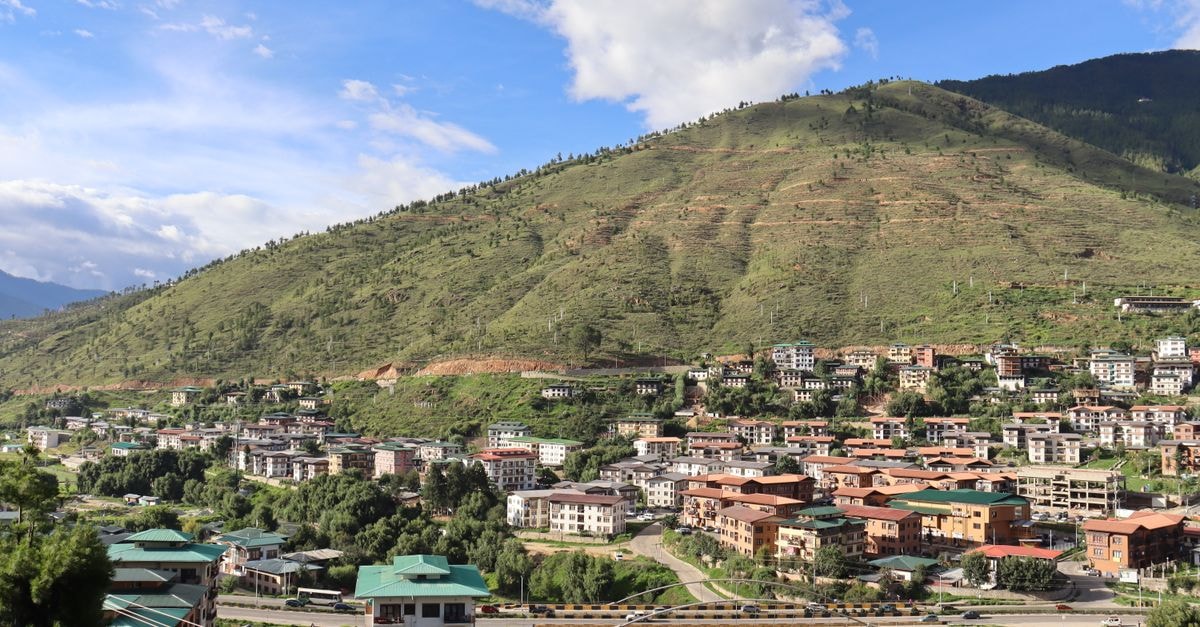
Kerman's setting explains a lot about how the city feels. Much of its terrain is surrounded by mountains, with the northern and northeastern edges rising toward the Saheb-Al-Zaman range and enjoying a relatively moderate climate as a result. Move toward the south and southwest, though, and the air changes: summers can feel warmer and dustier here thanks to the city's proximity to desert landscapes. That contrast — cooler high ground meeting warmer, drier lowland — is part of what gives Kerman its layered geography in a short drive.
The city itself carries significant cultural weight. It's widely counted among the top five historical cities in Iran, and it remains the most important urban center in the southeastern quarter of the country. It is also part of the largest province in Iran and is home to one of Iran's natural sites on the UNESCO World Heritage List. Within the broader region, registered UNESCO sites outnumber those of any other Iranian province, a quiet superlative that signals just how much history is pressed into this corner of the country.
For travelers, this geographic context translates into a few useful instincts. Expect elevation shifts within the city itself, and don't be surprised if the air feels noticeably drier and warmer at one end of town. Plan interior visits for the warmer parts of the day, and save outdoor wandering for the cooler windows.
Getting to and around Kerman
Kerman is well connected to the rest of Iran for a city of its size. Travelers can reach it by road, by train, and by air from major cities across the country, which makes it a workable destination whether you're weaving it into a broader Iranian route or arriving directly. The city's transport network is also a subject of ongoing academic study, with researchers examining how public transport use and private car ownership interact at the neighborhood and city level — a sign that getting around locally is a lived question for residents, not just visitors.
Hotel and tourism platforms list Kerman as an established destination with its own listings and accommodation infrastructure, so booking a base in the city is straightforward. As you'd expect in a regional capital, you'll find a mix of lodgings clustered around the historic core and along main arrival corridors. Treat any specific property, price band, or current availability as something to confirm directly with the hotel before you travel; trip-planning pages change frequently, and rooms, rates, and policies move with the calendar.
Inside the city, the practical advice is to plan your movement around the historic center on foot wherever possible. Many of the most rewarding heritage stops sit within a relatively compact area, and walking lets you absorb the texture of the bazaar district and the older neighborhoods between them. For longer hops or trips to outlying viewpoints, road transport is the simplest option.
Heritage stops that anchor a visit
Kerman's heritage attractions reward unhurried exploration rather than checklist sprints. Two anchor sites stand out for visitors who want to understand the city's layered past.
Ganj Ali Khan Bath and the historical complex
The Ganj Ali Khan Bath sits within a larger historical aggregate in central Kerman. According to the cited source, the bath was constructed in the year 1020 AH, giving it a documented founding date that situates it firmly within Iran's long Islamic architectural record. Its position to the south of the broader Ganj Ali Khan complex places it within walking distance of the old bazaar quarter, which makes it easy to fold into a slow morning of wandering between lanes and monuments. The bath now functions as an anthropological museum, so visitors step into a space designed for daily ritual life centuries ago and repurposed for reflection on regional culture.
The Archaeology Museum in Harandi Garden
The Archaeology Museum of Kerman is set inside Harandi Garden, a green pocket that offers a calmer counterpoint to the dense streets of the historic core. The museum is organized into five displays that move from the pre-Islamic period through the Islamic eras, giving visitors a chronological thread to follow rather than a scattered collection of objects. The first display houses artifacts recovered from the Shahdad excavations, including clay, stone, and metal vessels that date back to the 3rd and 4th millennia BC — objects that push the region's story back thousands of years before the Islamic monuments elsewhere in the city were ever built.
How to plan your time
Because this guide focuses on durable, evergreen facts, specific seasonal tips here are kept gentle and conditional. Kerman's weather is shaped by elevation and proximity to desert landscapes, so the same day can read very differently depending on where in the city you are. When temperatures climb, outdoor stops feel best in the cooler hours; when the air carries dust from the southwestern side, indoor sites like the bath and the archaeology museum become comfortable refuges.
A practical approach is to build the day around two or three anchor stops, leave room to wander the lanes between them, and accept that some of the best memories of Kerman come from sitting in a garden, watching the light move across old walls, rather than from rushing through a list. The city's mountain-and-desert geography rewards that pace.
A note on costs and verification
There is no universal daily budget figure that fits every kind of traveler in Kerman. What you spend on meals, local transport, and entry fees will depend heavily on your choices, your party size, and where you stay. Treat any figures you encounter online as a reference rather than a forecast, and confirm current rates and ticketing details through your accommodation or local contacts before you commit money.
For broader trip planning, official channels are the safest reference for entry rules, transport timetables, and any conditions that may have changed since this guide was written. Treat the details above as a starting framework, not a guarantee, and verify the specifics that matter to your journey before you depart.
---
*Travel conditions in any city change over time — opening hours, transit patterns, and practical rules all shift. Check official and up-to-date sources before you travel, and treat this guide as a durable starting point rather than a live itinerary.*
Share this article
TOOLS FOR THIS PLAN
Make the Kerman plan measurable
Choose a tool only when it answers the next question in your trip. Your values stay in the browser, and each tool offers a route back to this planning context.