Setting the scene in Tipasa

A soft sea breeze drifts past old stones in Tipasa, where the modern town rests beside one of North Africa's most evocative layers of antiquity. Visitors tend to arrive with two things on their mind: the archaeological site that gives the place its fame, and the easy Mediterranean rhythm that frames every visit. The city sits along Algeria's northern coastline, and its identity is shaped by that meeting of land and sea. There is a quiet particularity here that comes from centuries of trade, worship and daily life layered on top of one another, and exploring it slowly tends to feel more rewarding than rushing through a checklist.
The way travelers usually approach Tipasa is through its archaeological park, and from there the visit naturally widens into the surrounding coast. The mood is unhurried, contemplative, and shaped by salt air and ancient masonry.
Weather and seasonal context
Because Tipasa is a coastal Mediterranean city, the climate generally reflects that wider Algerian shoreline rather than the country's interior. Conditions can feel mild along the sea, with the kind of breezy warmth that suits long walks among open-air ruins. Heat can feel more pronounced in the middle of the day when the sun sits high over the stones, and the air tends to cool comfortably as evening approaches from the water.
The ruins themselves are largely open-air, so visitors who prefer a gentler pace often find that early mornings and late afternoons are when the light softens and the temperature feels most pleasant for a slow exploration. Travelers who dislike intense midday heat may want to pace the day differently, reserving the busiest walking for the cooler ends of the day and resting during the brightest hours.
One practical tip grounded in the city's character: plan lunch near the ruins during the midday pause. The setting itself invites a long, unhurried meal that doubles as a break from the sun.
Attractions and planning
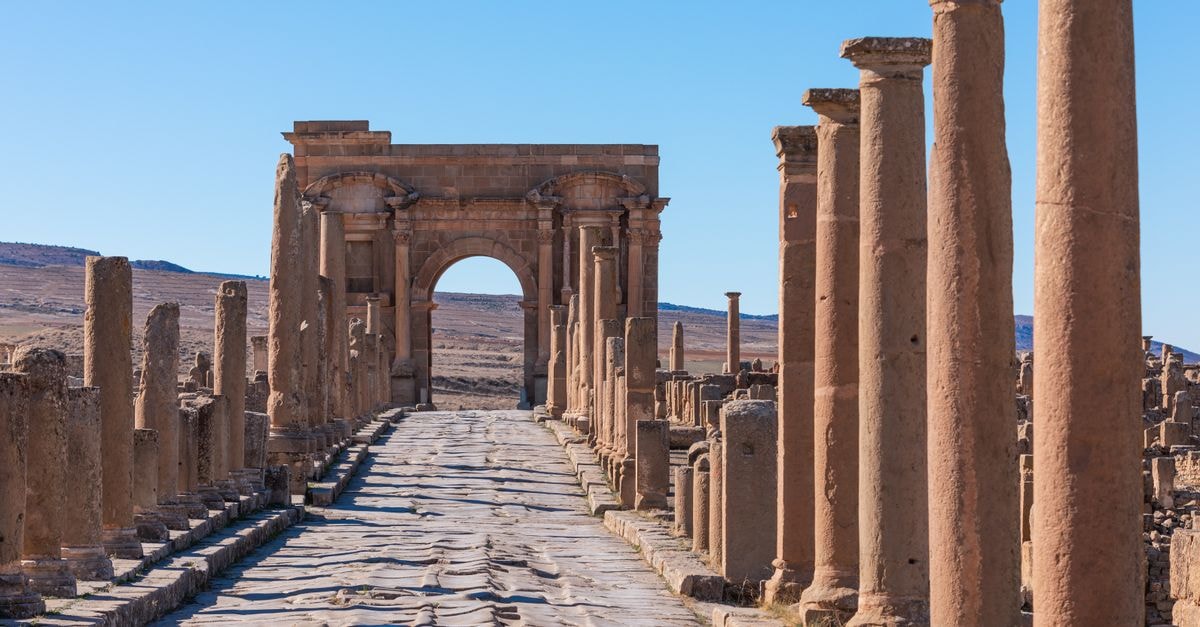
Tipasa's archaeological heritage is what most visitors come for, and the site carries a layered story. Originally established as a Punic trade post, the settlement was later expanded by the Romans into a military colony that took the name Tipasa. That long arc, from Phoenician traders to Roman administrators, gives the ruins a particular depth and helps explain why so much stone still stands along the coast.
Walking through the remains, travelers move between fragments of Roman civic life and the open Mediterranean beyond them. The combination of ancient masonry and sea view is the through-line of any visit: the site is sometimes described as a jewel of Mediterranean archaeology, a place where Greco-Roman remains sit alongside echoes of earlier Numidian history. That phrasing captures a feeling many visitors report, which is that the past here is not sealed behind glass but spread out under the same sky the original inhabitants once watched.
Practical planning advice for the attractions:
- Approach the ruins as an open-air experience. Comfortable walking shoes, water, and sun protection will matter more than any guidebook. - Give yourself more time than you think you will need. The site rewards slow looking, and the sea-facing edges of the ruins are worth lingering at. - Build the rest of the day around the site rather than trying to fit it between other commitments; the coastal setting is part of the appeal.
For personalized recommendations beyond these basics, travelers can consult an AI trip-planning product that draws on attractions data for more tailored suggestions.
Food and local context
Food in this part of Algeria sits within a wider national cuisine shaped by geography and tradition. Olive oil, fish and citrus brighten coastal cooking across the country, while grains and vegetables anchor the high plateaus and dates and preserved ingredients sustain Saharan communities. In Tipasa, that coastal flavor profile is the one most likely to reach the table, with simple, fresh ingredients that echo the surrounding sea.
Lunch during a visit often becomes its own small ritual. A tagine, the slow-cooked dish of meat and vegetables with aromatic spices, is a familiar way to pause and savor a long midday meal near the ruins. Travelers who prefer lighter meals can ask about fish-based options, since the coast tends to favor seafood preparations, while those who enjoy heartier fare will recognize the slow-cooked comfort of a traditional tagine.
Wider Algerian food culture also shapes the experience in small but meaningful ways. Sharing a generous dish at the center of the table is closely associated with family gatherings, Friday meals and the pleasure of eating together, and visitors may notice that even in a casual restaurant setting, meals are presented and enjoyed with that generous, communal spirit. Joining in that rhythm, ordering a dish to share and taking time over conversation, tends to feel more natural than eating quickly and moving on.
A few grounded tips for the food side of the trip:
- Plan lunch near the ruins during the midday pause, as that pairing of sea breeze, ancient stone and a long meal is one of the more memorable ways to spend a day in Tipasa. - Be open to local seafood and citrus-led dishes, which reflect the coastal setting. - If you are curious about tagine, try it at least once during the visit; it is a defining expression of Algerian home cooking.
Choosing what fits your trip
Different travelers will weight these experiences differently. If your main interest is archaeology and history, build the day around the ruins and treat the meal as a quiet interlude rather than the main event. If you are drawn more to atmosphere and slow travel, lean into the coastal rhythm: a long lunch with sea views, an unhurried return to the ruins in the cooler afternoon light, and an evening that drifts rather than rushes. Visitors who prefer gentler conditions may want to invert the day entirely, starting at the site in the morning, pausing through the hottest hours, and returning to the coast as the air softens. The city rewards whatever pace feels right, and the pairing of ancient stones and open water gives every approach the same quiet backbone.
Before you go
Travel conditions, opening arrangements and practical details can shift over time, so it is always worth checking the latest information through official channels before departure. The guidance above is meant to help you frame the experience of Tipasa rather than to serve as a final operational reference. Confirm site access, local transport options and any seasonal considerations closer to your visit, and you will be well prepared to enjoy this Mediterranean jewel at its best.
---
*Disclaimer: Factual travel conditions can change. Readers should verify current details through official channels before traveling.*
Share this article
TOOLS FOR THIS PLAN
Make the Tipasa plan measurable
Choose a tool only when it answers the next question in your trip. Your values stay in the browser, and each tool offers a route back to this planning context.