A first impression of Tokushima

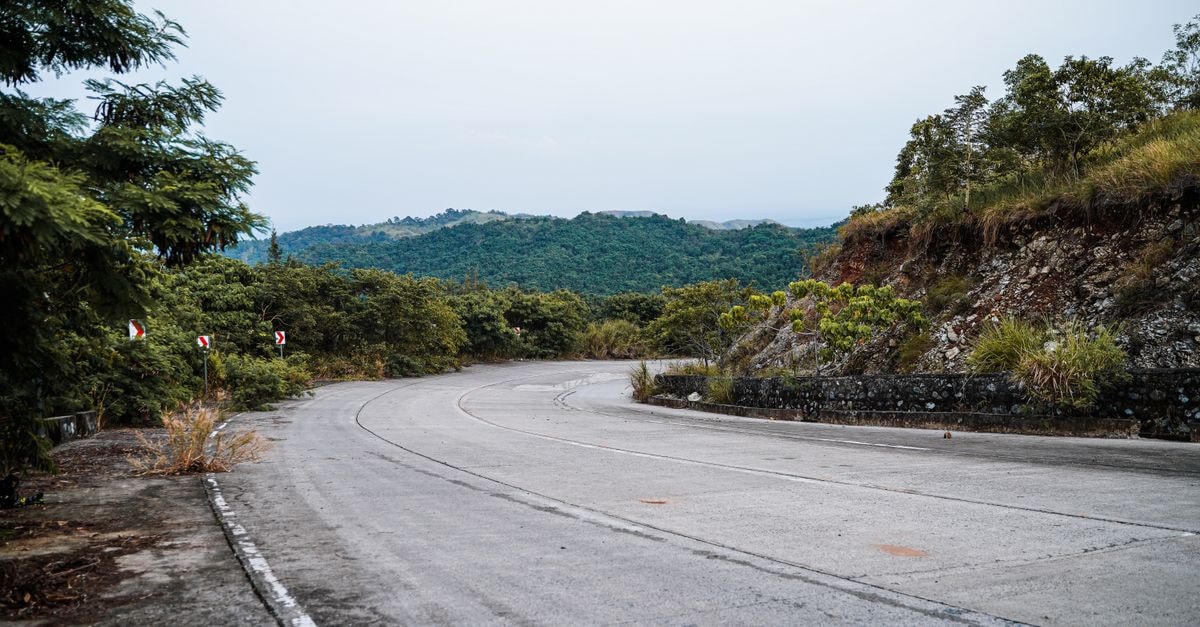
Tokushima sits on the eastern edge of Shikoku, where the city spreads along the coast and the mountains rise quickly behind it. It is the kind of place that rewards slow walking more than checklist rushing. The atmosphere feels distinctly regional rather than metropolitan, with a pace that invites travelers to look up from the map and notice the textures of everyday life: riverside paths, small shrines tucked between buildings, and the quiet hum of a port town that has spent centuries looking out toward the sea.
What makes Tokushima especially appealing to independent travelers is the contrast it offers. There is just enough heritage and infrastructure to anchor a satisfying visit, yet the city never feels overdeveloped for tourism. The food culture is firmly rooted in local agriculture and fishing traditions, and getting around tends to be straightforward once you understand the main transit links. This guide focuses on the practical anchors that the source evidence supports: how to move between the airport and the city, what cultural stops are widely recommended, and the culinary context that gives Tokushima its identity within Shikoku.
Getting around
It is worth knowing that bus operations follow specific calendar rules. During the year-end and New Year holidays, from December 29 through January 3, the bus schedule shifts to the weekend and holiday timetable. The same weekend and holiday schedule applies during the Tokushima City Awa Odori festival, which runs from August 12 through August 15. Outside of those windows, the standard weekday and weekend patterns resume. Planning around these adjusted dates helps visitors avoid surprises at the bus stop.
Within the city and the wider region, travelers will encounter familiar Japanese transport options. Japan Airlines serves the airport, and rental cycles and campervan rentals are listed among the local transport options, giving independent travelers flexibility for either short urban rides or longer explorations of the surrounding countryside. For visitors mapping out their approach to Tokushima, this mix of public transit and rental choices makes it possible to plan without depending solely on taxis.
Attractions and planning
Tokushima's heritage layer is most visible at Tokushima Castle, which is widely described as a symbol of the region's samurai past. A visit to the castle is framed as both educational and inspiring, offering a window into the political and cultural history that shaped eastern Shikoku. The grounds and surrounding garden give the stop a contemplative quality, and many travelers find that it pairs well with a slower walk through the historic district rather than a rushed photo stop.
Beyond the castle itself, the broader Tokushima area offers several widely recognized points of interest. The Tokushima Castle Ruins and its garden are one recommended anchor, while Takanose Canyon is repeatedly voted as the number one tourist spot in the region, drawing visitors who want to experience the natural scenery that defines the prefecture's interior. These two stops together illustrate the dual character of Tokushima: a city with a documented castle heritage on one hand, and dramatic river and mountain landscapes just beyond the urban core on the other.
For travelers who want to venture a little further while staying within the prefecture, the source material also points to the broader Shikoku cultural circuit. Shosanji Temple is noted as a cultural stop, and Tairyuji is referenced as another cultural site within reach. The city of Miyoshi is described as a gateway to the natural scenery that the region is known for, suggesting that Tokushima can serve as a base for visitors who want to balance urban sightseeing with rural landscape experiences. None of these should be treated as a guaranteed itinerary, but together they give a sense of the range available without forcing a specific pace.
Food and local context
Tokushima Prefecture has earned a reputation for flavorful regional cuisine built around local ingredients, and that identity carries into the city itself. Two culinary anchors come up repeatedly: Tokushima ramen, which has developed its own loyal following, and sudachi, a distinctive citrus that shows up across regional cooking. Both reflect the broader pattern of Shikoku food culture, where producers draw on the prefecture's agriculture, river fish, and coastal catch.
The food culture here also carries a narrative layer. Tokushima's dishes are often tied to local folklore and legends, which means that eating in the region can feel like an extension of the same storytelling that shapes the city's festivals and shrines. Travelers who are curious about the depth behind a bowl of ramen or a plate of seasonal vegetables will find that many local specialties come with a backstory worth asking about.
Putting it together
A balanced Tokushima visit tends to combine a small number of cultural stops, a relaxed approach to food, and a transport plan that accounts for the airport bus schedule. Independent travelers who enjoy mixing heritage with landscape will likely find the castle and its surrounding garden a satisfying introduction, followed by a slower afternoon shaped by local dishes. Because the city itself is compact and the airport bus is well documented, there is little need to over-plan, which is part of the appeal.
Factual conditions around transport, opening hours, and cultural sites can change, so checking official channels before departure is always wise. Rates and prices, where relevant, should also be confirmed against current information rather than treated as fixed. Travel tends to flow best here when the itinerary leaves room for the unexpected, whether that means a quiet walk along the river or an unplanned stop at a small neighborhood eatery.
Share this article
TOOLS FOR THIS PLAN
Make the Tokushima plan measurable
Choose a tool only when it answers the next question in your trip. Your values stay in the browser, and each tool offers a route back to this planning context.