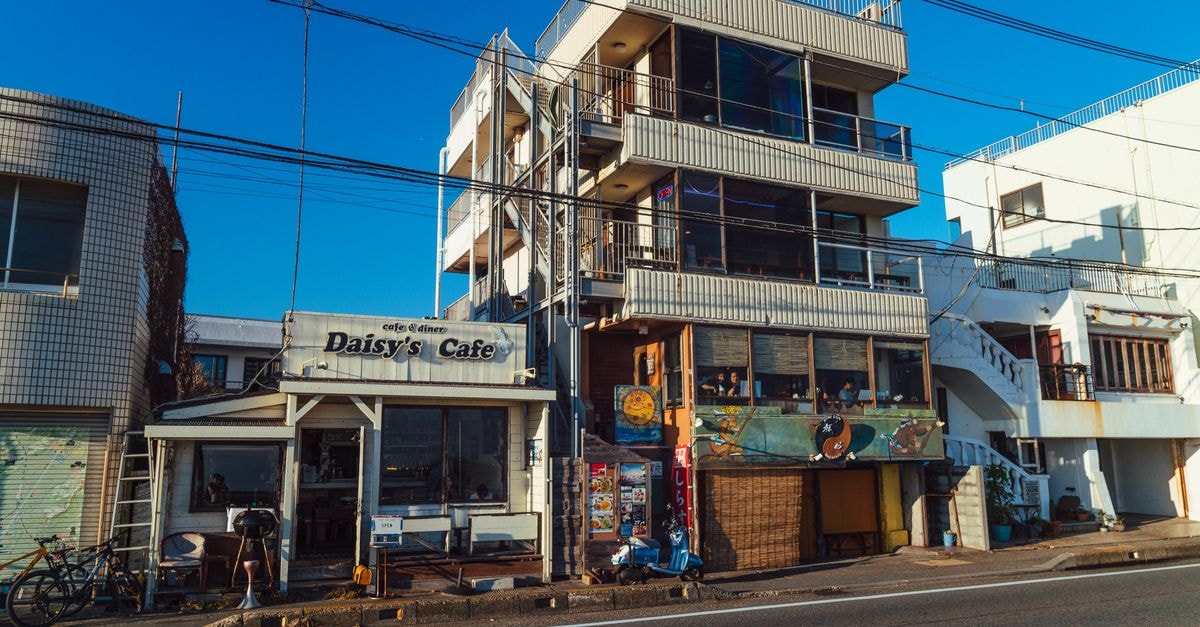
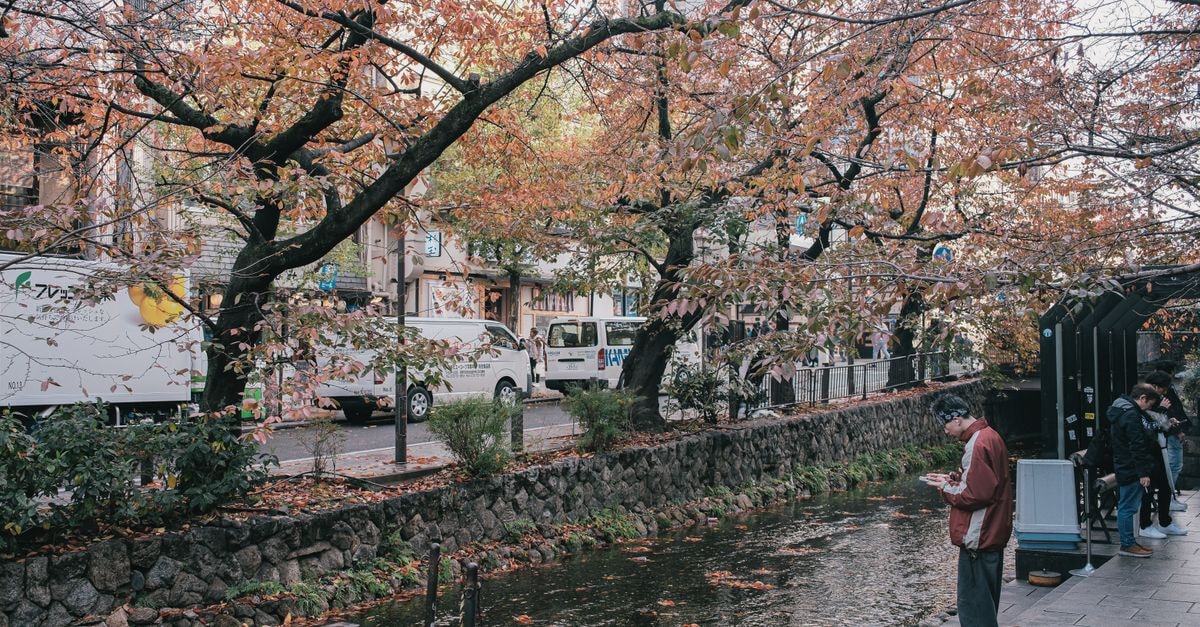
An unhurried corner of western Tokyo
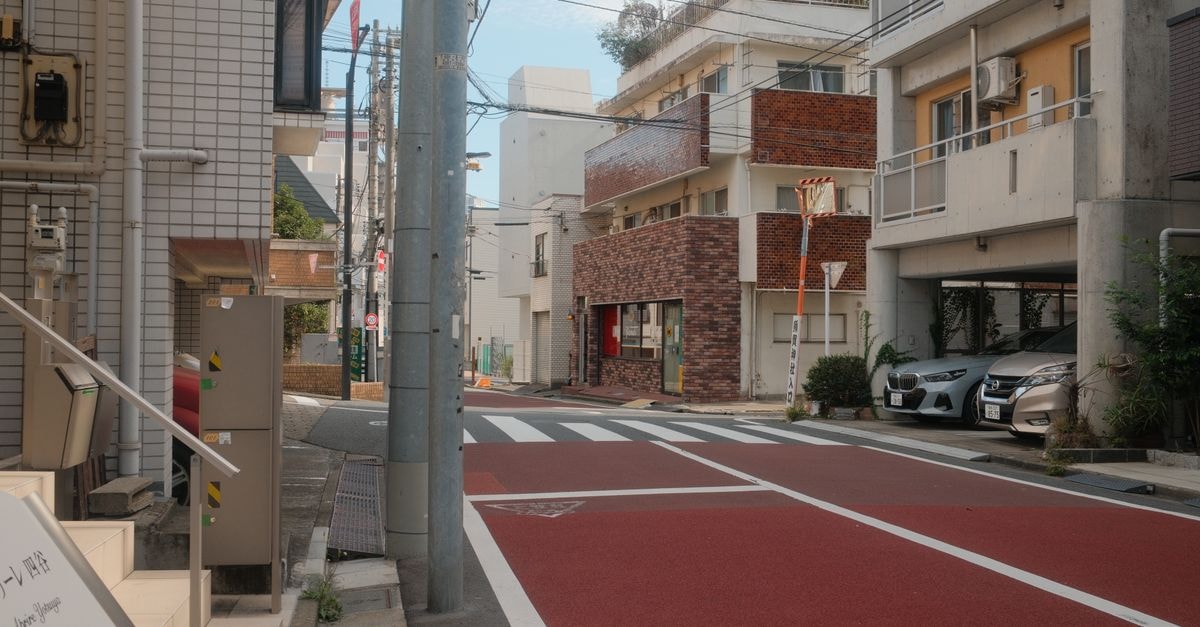
Fuchu sits on the western edge of Tokyo Metropolis, a residential ward that rewards travelers who like their Japanese city days a little slower than Shibuya or Shinjuku. There is a calm, neighborhood-scale feeling here, with tree-lined streets, small local shrines, and the kind of mid-rise rhythm that locals actually live among rather than perform for cameras. For a visitor basing themselves in Tokyo who wants a gentler pace for a day or two, Fuchu reads as a refreshing change of texture.
What this guide covers is grounded in what is reliably known: how to reach Fuchu by rail, the kind of weather visitors can expect in this part of the Kanto plain, and the wider Japanese food culture that travelers will encounter in restaurants around the country. It is intentionally an evergreen overview, so specific calendar dates, festival schedules, and prices are not stated; check official sources closer to your trip for anything you plan to book.
Weather and seasonal context
Fuchu shares the broader climate of the Tokyo region, so the weather here tends to follow the same rhythm as the rest of the Kanto plain. The approved source frames climate information in evergreen terms for travelers planning a visit, which means expectations should be set around general patterns rather than any single date. As a rule of thumb for this part of Honshu, summers read hot and humid, winters read cool and dry, and the shoulder seasons can feel especially pleasant for walking between neighborhoods.
If you are the kind of traveler who prefers to plan their day around the sky rather than the clock, consider a flexible itinerary that starts early on warmer days and leans toward indoor stops, cafes, or short train rides to air-conditioned museums when the heat feels heavy. Cooler days, in contrast, tend to reward longer strolls along the city's residential streets and the parks scattered across the ward. Packing layers works in every season here; mornings and evenings can feel noticeably different from the middle of the day, and a light jacket or compact umbrella often earns its space in a day bag.
Getting around and getting in
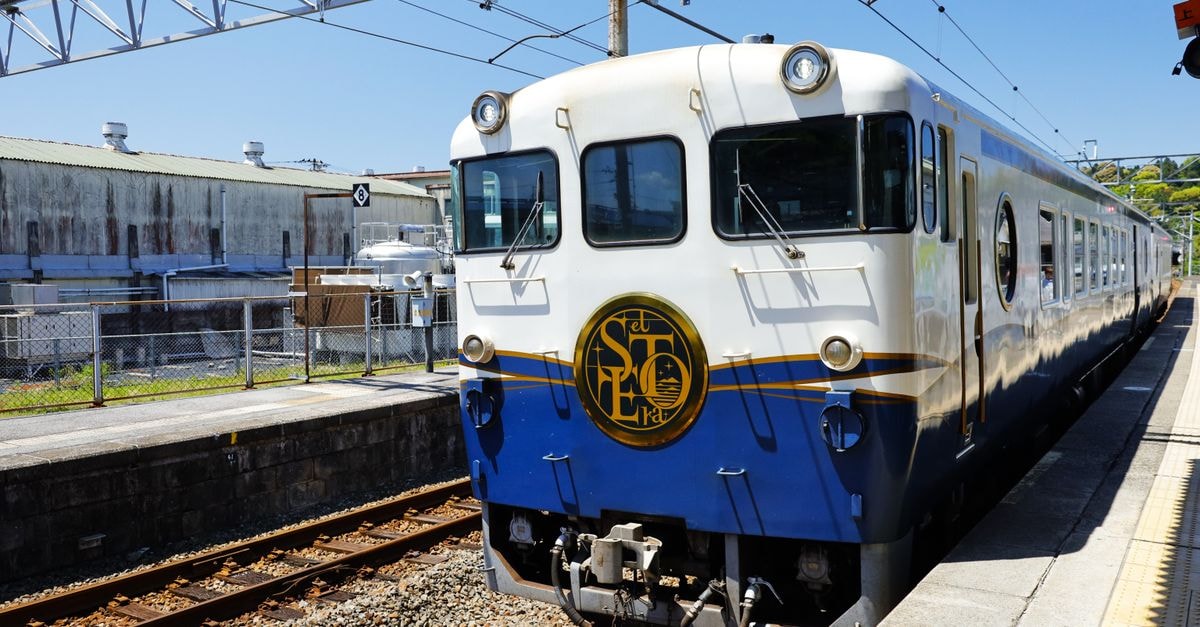
Fuchu is fundamentally a rail town, and the most practical way in and around the city is by train. Several train lines run through Fuchu, which makes it straightforward to fold into a wider Tokyo itinerary without a car. That rail-first setup tends to suit travelers who prefer to leave the rental behind, walk from platforms to their actual destination, and skip the stress of Tokyo's famously tricky inner-city driving.
One helpful anchor for timing: the JR Nanbu Line takes about 50 minutes from Kawasaki to Fuchu-honmachi. If you are stitching a day together from elsewhere in the metropolitan area, that single data point can help you gauge roughly how your own starting point will connect. Coming from central Tokyo, the same line-routed logic applies in reverse; from Yokohama or other western Tokyo hubs, expect similar transfer-friendly timings rather than a direct express.
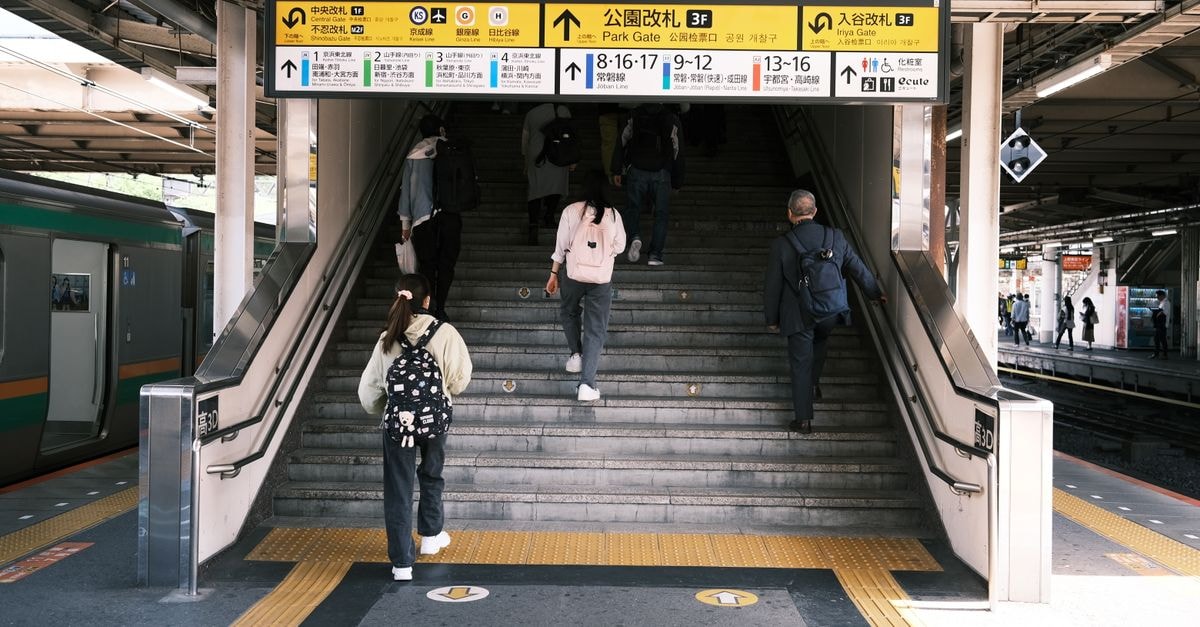
Because multiple lines run through the city, internal moves between neighborhoods within Fuchu are also best handled on foot or by short train hops rather than by taxi. That rail-and-walk combination is part of why Fuchu tends to feel so unhurried once you arrive. Stations such as Fuchu-honmachi sit close enough to residential blocks that stepping out of the ticket gates feels more like arriving in a neighborhood than arriving at a transit hub.
One cultural note worth being aware of: this is the home city of the Kurayami Matsuri, a night festival that features six large drums among its procession pieces. Visitors who enjoy atmospheric evening festivals and the sound of taiko echoing through narrow streets may find this a meaningful reason to time a visit around the festival calendar. If large, drum-heavy nighttime parades are not your idea of a relaxing evening, consider checking festival dates in advance so you can plan either to lean in or to be comfortably elsewhere for the night.
Food and local context
Fuchu does not have a single signature dish in the way some Japanese cities do, so visitors tend to encounter the wider culture of Japanese dining rather than a unique local menu. That wider culture is worth understanding, because the way Japan eats is part of what makes eating here feel distinct.
Japan is an island nation where warm and cold currents meet offshore, and the resulting marine abundance has helped shape a seafood culture that visitors will find everywhere from sushi counters to casual izakaya menus. You do not need to visit a fish market or a fishing port to feel this; it shows up in the everyday rhythm of restaurants across the country, and Fuchu is no exception. If you enjoy exploring fish-forward cooking, train-station department store basements and neighborhood sushi shops are often a reliable starting point in residential wards like this one.
Farm-to-table traditions are part of the picture too. Visitors interested in how Japan's broader washoku food culture is grown and prepared may find value in looking into local farm stays and rural experiences as part of a longer Japan trip; within Fuchu itself, expect to see those same ingredients and rhythms reflected in everyday restaurant menus. Travelers who prefer to understand what they are eating as well as enjoy it may want to spend a little time reading about regional specialties before they sit down, so restaurant choices feel informed rather than improvised.
The range of places to eat in Japan is famously broad. Restaurants here span everything from mobile food stands and inexpensive chain shops to ryotei, the centuries-old atmospheric establishments that prize privacy and craftsmanship, plus seasonally erected terraces set over rivers and atmospheric drinking places. Within a residential city like Fuchu, the dominant experience is likely to be small, locally run spots, casual chains, and family restaurants rather than the high-end ryotei tradition; the country's full range, however, is part of the broader context any visitor carries with them. Traditional table manners also matter in many settings, so a little preparation on chopstick etiquette, tipping norms, and how to read a Japanese menu can make even an everyday meal feel smoother.
For travelers who want to use food as a lens for the city, a workable approach is to mix one or two planned meals with several spontaneous choices: pick one local restaurant based on a recommendation or a quick look at a review site, then allow the rest of the day's eating to drift between convenience stores, depachika basement food halls, and small ramen or soba shops spotted along the walk.
Choosing what fits your trip
Because Fuchu's appeal is its residential calm rather than a packed tourist checklist, the tradeoffs that matter tend to be about pace rather than must-see attractions. Travelers who enjoy slow neighborhood walking, casual food stops, and short train rides between small destinations may find Fuchu suits them well; travelers who prefer dense sightseeing lists, late-night entertainment districts, and walkable concentrations of major sights may want to anchor their Tokyo trip in a more central ward and treat Fuchu as a half-day or full-day excursion. Climate preferences also weigh in here: those who dislike very hot, humid conditions often prefer the cooler months for the kind of outdoor neighborhood wandering Fuchu invites, while those who enjoy warm evenings and festival energy may lean toward summer and the festival calendar that includes the Kurayami Matsuri.
A note on verification
Travel conditions change, and the practical details behind this guide, from train timetables to the timing of the Kurayami Matsuri, are worth confirming close to your travel date. Check official transit operator pages for current schedules, the ward's official channels for festival updates, and government or association sources for food and etiquette guidance before you set out. Rates for any conversion you need are reference points only, so check a current rate before exchanging money. Treat this guide as a starting frame for your own planning rather than a final itinerary.
Share this article
TOOLS FOR THIS PLAN
Make the Fuchu plan measurable
Choose a tool only when it answers the next question in your trip. Your values stay in the browser, and each tool offers a route back to this planning context.