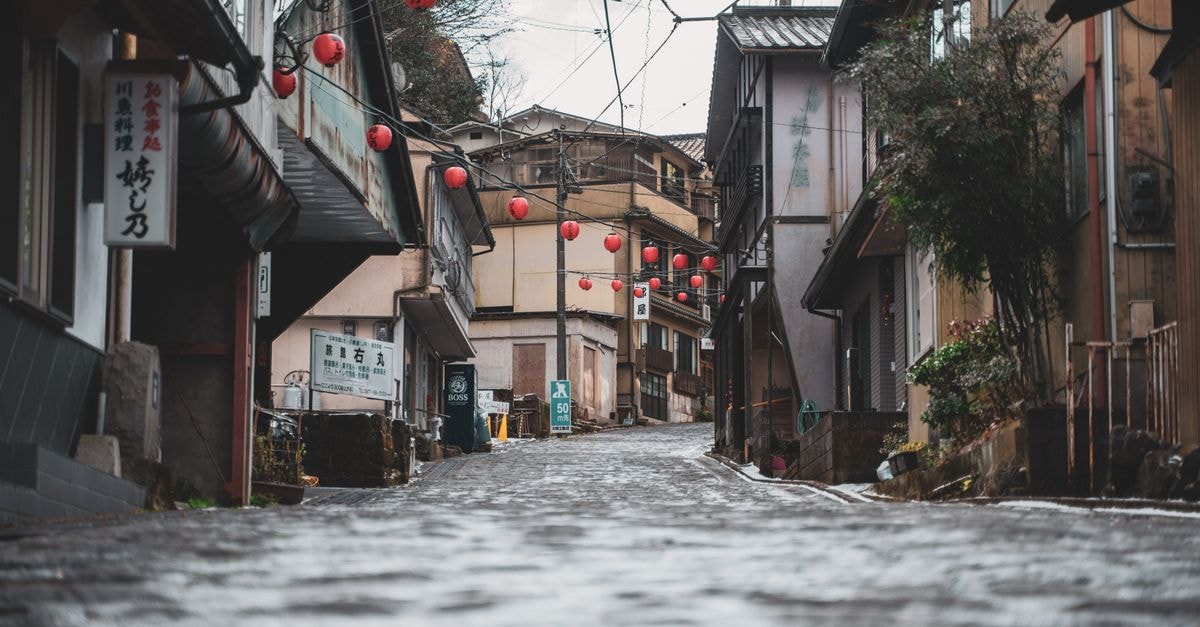
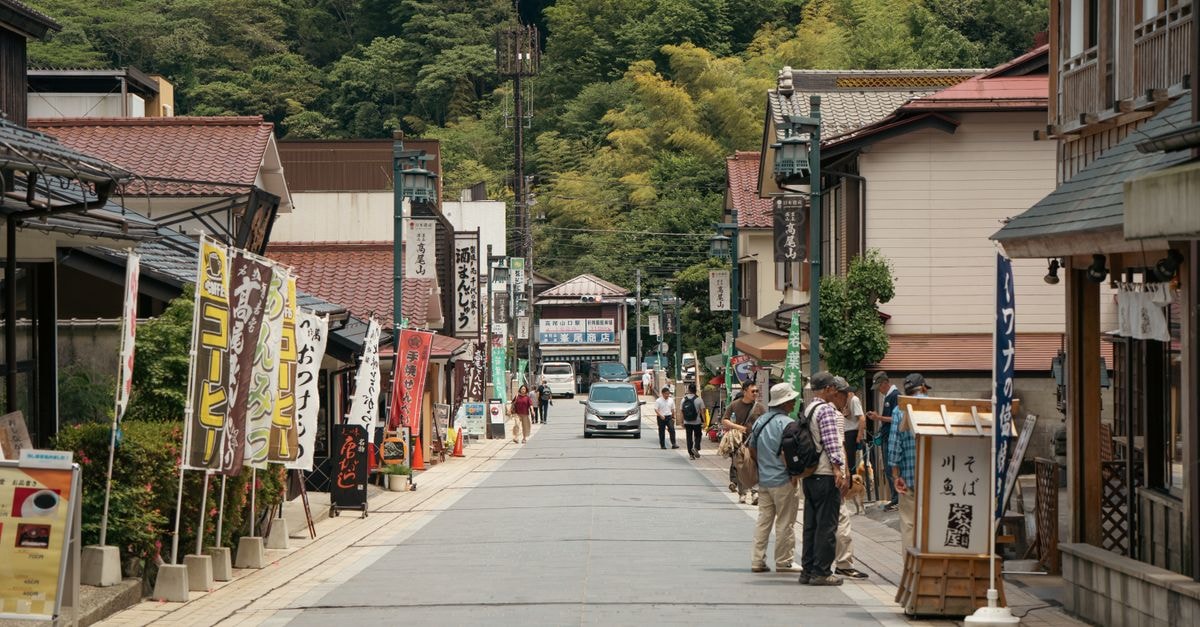
Nagaoka sits in Niigata prefecture on the Sea of Japan coast, and it often shows up in traveler plans as a Shinkansen stopover rather than a headline destination. That can actually be the point: arriving by bullet train from Tokyo puts you into the rhythm of a mid-sized Japanese city without the bustle of a major hub, and the wide streets and slower pace make a short visit feel unhurried. This guide gathers the small set of approved, evergreen facts about Nagaoka to help you shape a flexible visit, with a light nod to wider Japanese food culture you may encounter across the country.

Getting around and arriving
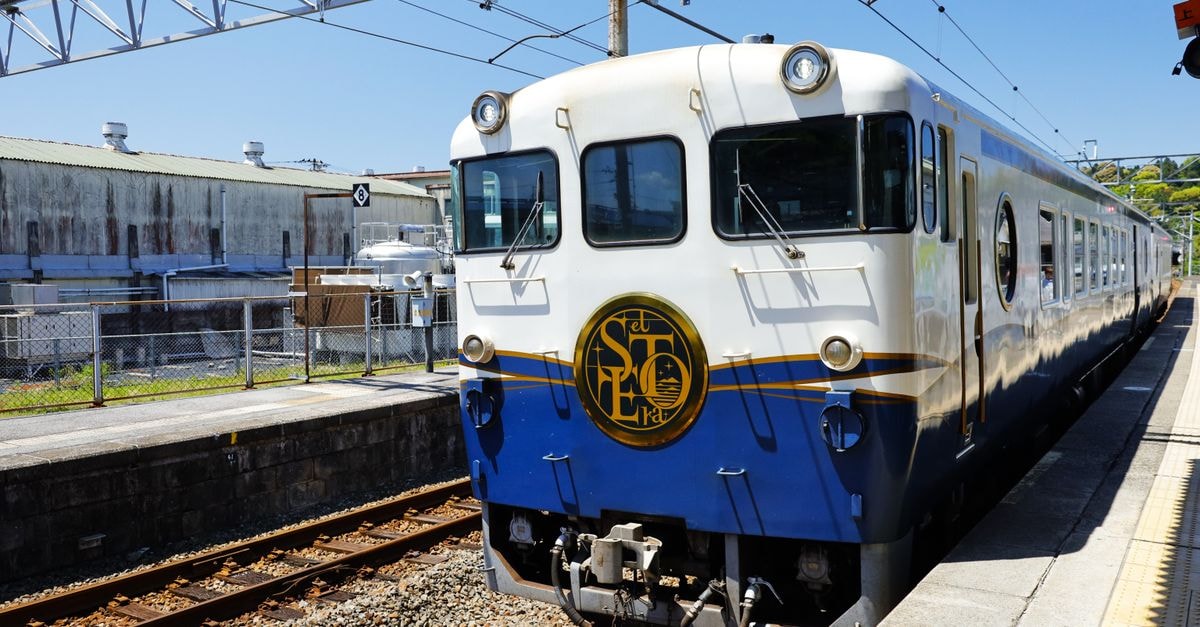
The single most useful thing to know before you go is how most visitors actually arrive. According to Nagaoka's travel overview, most visitors reach the city by Shinkansen, the Japanese bullet train network, arriving at JR Nagaoka station. That single fact quietly shapes the whole experience. If you are planning a broader Japan itinerary, Nagaoka slots in naturally as a Shinkansen stop between Tokyo and the Niigata side of the country, and the station itself is the natural anchor for first-time exploration.
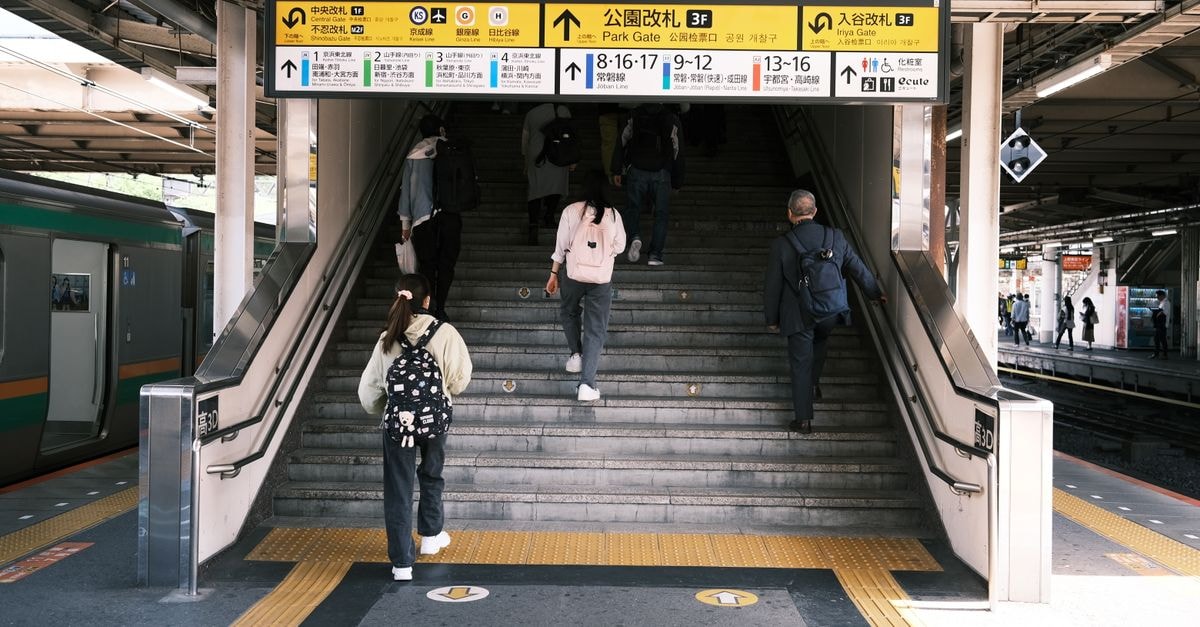
Inside the city, the practical reality is that the Shinkansen station is the main gateway. Travelers who prefer not to navigate complicated onward connections on arrival may suit the simplest approach: step out of JR Nagaoka station and orient on foot or by short taxi ride from there. Because the city center is compact relative to Japan's larger destinations, this can feel less intimidating than bigger stations, and the reduced need for transfers is a quiet plus for travelers who want to keep energy for the city itself rather than the logistics.
A note on the local scale
Nagaoka is introduced in travel reference material as a city in Niigata prefecture, and that regional framing is worth holding onto. Niigata is known across Japan for snow country traditions and a slower tempo outside its capital, and Nagaoka carries that same Niigata prefecture character. The appeal of visiting, when it fits a wider trip, is often less about a checklist and more about a feeling of stepping into a real, working Japanese city that is not primarily set up for international tourism.
If you are a traveler who tends to find Japan's biggest cities visually overwhelming, a mid-sized stop like Nagaoka, reached directly via the Shinkansen, may suit your pace. Conversely, travelers whose itineraries are built around dense, walkable sightseeing districts with many sights clustered in one walkable area may want to reconsider relying on Nagaoka as a primary sightseeing base, since the approved information frames it more as a stop on the rail network than as a tightly packed sightseeing city.
The local landmark known as "O-yama"
Among Nagaoka's known features, a local landmark affectionately nicknamed "O-yama" is described in the available reference material as drawing tens of thousands of visitors from all sides. That single approved note is modest but it does a lot of work: it tells you there is at least one focal point that locals take pride in and that visitors consistently travel to see. The nickname itself is a small piece of texture, the word "O-yama" being a warm, familiar shortening rather than the full formal name, which gives the place a community feel even to first-time readers.
For practical planning, the safe interpretation is that "O-yama" is a recognized visitor draw rather than a hidden corner. Travelers who enjoy landmarks with a sense of local devotion and visible visitor energy may suit planning time around it, while visitors who prefer quieter stops may want to pace their day so a visit to a popular draw does not dominate their experience.
Food and local context
Nagaoka is a Japanese city, and visitors traveling through Japan will encounter the wider Japanese food culture that the country is known for. The general Japanese culinary tradition emphasizes technique, the role of specialty ingredients, and an underlying philosophy of balance and seasonality. You will likely meet that sensibility in everyday meals across the country, and Nagaoka, as a Niigata prefecture city, is no exception in spirit, even if this guide does not claim specific Nagaoka dishes or venues.
Across Japan, common encounters include rice as a daily anchor, soups and broths built on dashi, pickled and fermented vegetables, and a strong rhythm of set meals rather than à la carte ordering. The appeal for travelers is often less about novelty than about noticing the care built into ordinary meals: the temperature of the rice, the cut of the fish, the way a small plate of pickles resets the palate. Slowing down enough to notice that rhythm is itself part of the experience of being in a Japanese city.
Because this guide is built on a small set of approved facts, it does not name specific Nagaoka restaurants, markets, menus, or signature dishes. Travelers who want a deeper food focus can treat the city as a place to observe everyday Japanese eating culture in a less tourist-saturated setting, and then add city-specific dining research through their own channels before or during the trip.
Practical notes for a flexible visit
A few small, evidence-bound habits can help your visit feel smoother. First, since most visitors arrive at JR Nagaoka station by Shinkansen, treat the station as your reference point when thinking about how to start and end each day. Second, remember that "O-yama" is described as a well-visited local landmark, so giving it some breathing room in your plans is reasonable rather than treating it as a quiet side stop. Third, because the approved information frames Nagaoka more as a Shinkansen-connected Niigata prefecture city than as a destination with a deep web of named, city-specific attractions in this guide, leave room for serendipity: a mid-sized Japanese city often rewards walking and patience more than a packed schedule.
Before you go
Travel conditions for any Japanese city, including Nagaoka, can shift over time. Train services, station access, local landmark conditions, and food offerings evolve, and the practical experience of a visit depends on details that no general guide can fully pin down. Before departure, it is worth a quick check through official channels and current references for the latest train schedules, opening information, and any local notices that might affect your visit. The facts in this guide are a starting frame, not a final answer, and a small amount of up-to-date verification will make the trip smoother.
Share this article
TOOLS FOR THIS PLAN
Make the Nagaoka plan measurable
Choose a tool only when it answers the next question in your trip. Your values stay in the browser, and each tool offers a route back to this planning context.