An Inviting Introduction to Toyama

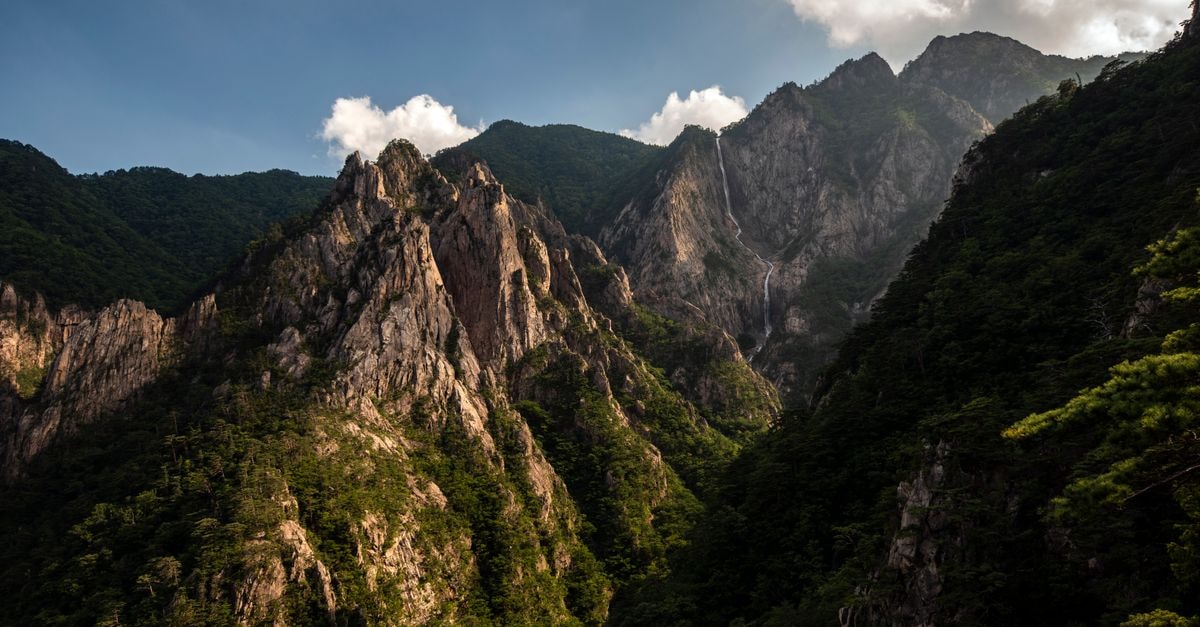
Tucked between the Tateyama mountain range and the calm waters of Toyama Bay, Toyama rewards visitors who like their Japanese cities a little quieter, a little more open, and a little closer to nature. The city has long balanced its role as a regional hub with a softer pace, and the contrast feels part of the appeal: sleek trams glide past older neighborhoods, while sunsets over the bay draw photographers hoping to frame mountains and water at golden hour.
The appeal is about small pleasures rather than rushing through a checklist. You can settle into a few neighborhoods, sample regional food, and use Toyama Station as a starting point for the kind of low-key exploring that suits slower travel. Below are the practical themes the city supports well, drawn from official sources.
Weather and Seasonal Context
Because Toyama sits between mountains and the sea, light and atmosphere change in ways that locals and regular visitors pay attention to. Even without a specific seasonal report in hand, it helps to think in terms of how the city tends to feel across the year. Photographers often visit the area at sunset to capture the island and mountains silhouetted against the golden light of the setting sun, which is a reminder that Toyama's scenery rewards visitors who build in evening time rather than packing everything into the middle of the day.
Summer in Toyama carries a vibrant atmosphere thanks to local festivals and events that fill the calendar. That energy is worth leaning into: pacing the day with a slow morning, time indoors during the warmest hours, and a late afternoon for wandering the waterfront or heading to a festival site can feel more comfortable than trying to cover everything at once. A light layer is still useful for evenings, especially near the bay where breezes can pick up.
Getting Around
Toyama's transport network is friendly to visitors without a car, and Toyama Station is the natural anchor for most itineraries. From the station, local rail and tram lines connect the city center with outlying areas in a way that makes day plans easy to assemble.
- **By local rail.** The Toyama Chihou Railway Main Line runs about 20 minutes to Kurobe Unazukionsen/Shin-Kurobe, which is a useful connection if you are planning to weave a rail journey into your stay. Separately, the Ainokaze Toyama Railway connects in roughly 50 minutes, opening up another comfortable regional option.
Keeping your hotel near the historical tram loop or within walking distance of Toyama Station makes the wider system feel intuitive from day one.
Attractions and Planning
Toyama's attractions lean into craft, tradition, and small hands-on experiences rather than blockbuster sights. One signature stop tied to the city's identity is a visit connected to its traditional medicine heritage. A traditional Japanese chemist experience invites visitors to try making the traditional pills made by Toyama's traditional medicine practitioners, which is a memorable way to engage with a craft that has shaped the region for generations.
The beauty of this kind of stop is how flexible it is. It works well as a calm afternoon activity between heavier meals or longer walks, and it suits travelers who like bringing home a small, handmade reminder of where they have been. Pairing it with a stroll through nearby streets lets you appreciate the neighborhood rhythm rather than treating the visit as a standalone box to tick.
When you are planning your time, leave room for the bay itself. Evenings along the waterfront are an attraction in their own right, particularly when the weather is kind and the light lingers.
Food and Local Context
Toyama's food scene is one of the friendliest in Japan for visitors who want to wander and try a little of everything. Local delicacies pop up across the city, and the historical tram lines make it easy to hop between spots without overthinking logistics.
- **A historical tram-friendly way to eat.** A "Gurutto Gourmet Guri Coupon" has been described as offering unlimited use of the Centram tram to visit participating Masu Zishi restaurants and other Toyama specialty establishments, as part of past local initiatives. Travelers interested in similar passes should check whether any coupon or pass scheme is currently running through official tourism channels before planning around one. This kind of historical arrangement turned a casual day of eating into a relaxed tram-hopping adventure, with the bonus of pausing for coffee, a snack, or a stroll between stops without worrying about extra tickets. - **What to try while you are here.** Want to know the best dishes you simply must try when you come to Toyama? That question is a useful starting point, because Toyama's food identity leans heavily on fresh, local ingredients. A specific signature to look for: Shogawa River sweetfish, which locals recommend not missing when you visit Toyama. - **Beyond the city.** A related national context worth knowing while you travel Japan more broadly is the country's deep appreciation for seasonal, regional ingredients. Within Toyama, this wider ethic shows up in everyday dishes, so paying attention to what is being served fresh at any given stop usually pays off.
A relaxed day built around local restaurants, a few small bites, and a slow walk along the bay tends to be the most rewarding way to experience Toyama's food culture.
Putting It Together
A practical Toyama stay can be quite simple: base yourself near Toyama Station, rely on familiar local railway lines for short regional rides when curiosity strikes, and use the city center's mix of streets and bayfront paths for in-city wandering. Spend a morning at a traditional craft stop, an afternoon grazing your way through local specialties, and an evening by the bay watching the light change. The city does not demand a packed schedule, and that is part of its charm.
Travel conditions, including transport timetables, festival schedules, and the availability of any coupon or pass, can change at any time, so it is worth confirming current details through official channels such as the Visit Toyama tourism website before you travel. Treat this guide as a starting point, then build your own version of Toyama from there.
Share this article
TOOLS FOR THIS PLAN
Make the Toyama plan measurable
Choose a tool only when it answers the next question in your trip. Your values stay in the browser, and each tool offers a route back to this planning context.