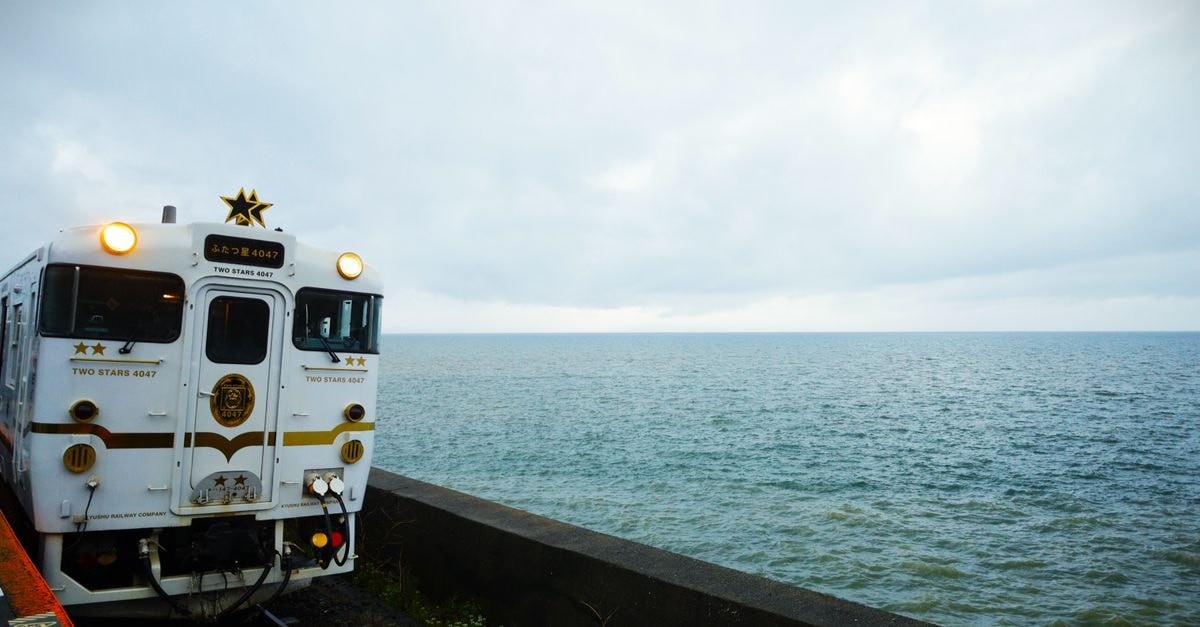
A coastal-meets-mountain base on Korea's east edge

Sokcho sits where tall ridgelines fall toward the East Sea, giving the city an unusual double personality. Mornings can begin with a sky over the mountains and end with salt air drifting in from the harbour. That contrast shapes the way most travellers spend their time here: a little bit of hiking, a little bit of seafood, and a fair amount of unhurried wandering between the two.
The city reads as compact and walkable in the central areas near the waterfront and the main market, while the surrounding national park stretches upward into granite peaks and pine forest. It is the kind of place where you can plan lightly, keep a day flexible, and still feel like you have seen a lot.
Weather and seasonal context
The weather in Sokcho shifts clearly with the seasons, and the coast adds its own rhythm to that shift. According to kangsports.com's seasonal overview, spring (March to May) is the start of the warmer window, with average temperatures climbing from around 11°C. That same source frames each season with what to wear and pack and a local travel tip, so the page is best treated as a starting point for your own packing list rather than a guarantee of conditions on any given day.
Because Sokcho sits by the sea and against a mountain wall, the air can feel different from inland Korea at the same latitude. Mornings along the coast can feel cooler than the thermometer suggests, while sheltered valleys in the park can feel warmer once the sun climbs. Layering tends to serve travellers better than packing for a single temperature, and a light waterproof layer is useful in any season. Treat the seasonal averages as a planning guide, and check a current forecast closer to your trip for day-of decisions.
Getting around
Sokcho is a common stop on the corridor between Seoul and the east coast, so the city is set up for travellers arriving overland. A travel overview on intercity travel in the region highlights that readers often ask how long it takes to travel from Seoul to Sokcho by train or bus, which points to intercity rail and express bus as the typical ways to make that journey. If you are sketching a wider Korea route, those two modes are the ones most worth comparing for time, price, and where you will be dropped in the city.
Within Sokcho, the same source notes that visitors regularly ask about the most popular mode of transportation. The shape of the city helps explain why that question comes up so often: the harbour, market, beaches, and main residential blocks sit relatively close together, while Seoraksan National Park and the cable car area sit a short drive to the west. Local buses and taxis fill the gap between the flat city centre and the steeper terrain of the park, and many travellers find that a mix of walking in the core and using a bus or taxi for the park transfer covers most needs.
If you are not used to reading Korean bus stop signs or hailing taxis in Korean, do a little pre-trip homework on how the local bus routes connect the terminal, the market area, and the park entrance. The mechanics are straightforward once you know the basic pattern, and locals are generally helpful when you are clearly trying to get somewhere.
Attractions and planning
Seoraksan National Park is the headline attraction in Sokcho. A regional travel overview calls out Seoraksan National Park as known for its stunning views and natural beauty, making it a must-see for any visitor to Sokcho. The park is large enough to feel like a wilderness, with trails that range from gentle valley walks along a stream to longer summit routes, and the cable car area offers a way to reach higher viewpoints without committing to a full day of climbing.
A useful way to think about Seoraksan is in layers. Lower-elevation paths give you shaded forest, river crossings, and temple architecture without demanding much time or fitness. Mid-range trails add real elevation and the kind of granite rock scenery the park is famous for. The summit area is for days when you have time, energy, and the right conditions. Because weather and trail status can change, it is worth checking with the park information point or official channels on the day you plan to hike, rather than relying on any single guidebook description.
Beyond the park, the coastline and the city itself reward slow exploration. The harbour area, the beaches, and the streets between them are easy to link on foot, and the same unhurried pace that works for the market also works for an evening walk along the water.
Food and local context
Sokcho's food scene is one of the clearest expressions of its geography. A regional travel overview describes the food scene as the intersection of Gangwon Province's hearty mountain cooking with some of the freshest seafood on the East Coast. That framing is a good mental model: expect dishes with roots in mountain villages alongside plates that taste like they came straight off a boat that morning, with the best season to visit for food treated as a question worth asking locally rather than fixed in advance.
The single most concentrated place to experience that contrast is the Sokcho Tourism and Fisheries Market. According to visitkorea.or.kr, the Sokcho Tourism and Fisheries Market is by far the most visited tourist destination in Sokcho, framed as a must-eat food tour course. The same official source notes that the freshest thing available in Sokcho Tourism and Fisheries Market is fish, which signals what to walk in expecting.
A simple way to plan your days
Because Sokcho is compact and the park is a single anchor, the city is friendly to a loose schedule. A pattern that works well is to dedicate one full day to Seoraksan, picking a trail intensity that matches your group, and to keep the other days low-key for the market, the waterfront, and the in-between streets. Leave room for a slower morning, a long lunch, and an evening walk, and you will see the city the way it actually lives.
A few small reminders before you go: confirm current transport timetables and any park access notes through official channels, carry a layer for the sea breeze, and treat market prices and hours as something to confirm on the day rather than rely on from memory.
Final note on accuracy
Travel conditions in Sokcho, from market opening hours to park trail status to intercity bus and train schedules, can change over time. This guide is built around a small set of approved references and is intended as a starting point, not a live confirmation. For anything that affects your day directly, please check official South Korean tourism channels, the park information service, and your chosen transport operator before you travel.
Share this article
TOOLS FOR THIS PLAN
Make the Sokcho plan measurable
Choose a tool only when it answers the next question in your trip. Your values stay in the browser, and each tool offers a route back to this planning context.