Why Turku in July

Turku is Finland's oldest city, founded around 1229 and the country's capital until 1812. Following the Aura (Aurajoki) River from the medieval cathedral upstream to Turku Castle gives you the spine of the city in a single afternoon. July is when the riverbank comes alive: floating restaurant boats throw open their decks, terraced cafés stay open late, and ferries to the archipelago run on a full summer timetable. Daylight stretches so far that 10 pm still feels like early evening, and Turku's midsummer event calendar is denser than at any other point in the year.
If you want a Finnish city break that combines medieval architecture, strong food culture, and an easy escape to the Baltic islands, July is the practical sweet spot.
Weather and daylight
July is Turku's warmest month, with a typical high around 22°C (72°F) and a low near 14°C (57°F). Monthly rainfall averages roughly 80 mm (3.1 inches) and humidity sits around 70%, so pack a light sweater for evenings by the river and a waterproof layer for passing showers.
The defining feature is light. Southwest Finland stays under the midnight sun belt but July daylight pushes close to 19 hours, with the sun still above the horizon near 11:30 pm. Sea temperatures along the Archipelago coast reach their annual peak in this window, generally in the high teens Celsius. Mosquitoes can be persistent after 8 pm, particularly on the islands, so repellent belongs in your daypack.
Getting there and getting around
By air, Turku Airport is 8 km from the city centre, about 25 minutes by public bus. Direct international flights link Turku with Copenhagen, Stockholm, Mariehamn, Riga, Gdańsk, Bucharest and Vilnius, while Helsinki-Vantaa is roughly a 2.5-hour bus ride away and offers wider global connections via Finnair's airport coach.
By train, VR runs hourly services from Helsinki and multiple daily services from Tampere, with the Helsinki journey taking under two hours. Turku has three railway stations: Kupittaa, Turku Central (Logomo) and Turku Port.
By ferry, Sweden is close. Viking Line and Tallink Silja cover Stockholm–Mariehamn–Turku in about 11 hours. Drivers, cyclists and charter buses can use Finnlines between Kapellskär and Naantali (15 km from Turku) in roughly eight hours, but a vehicle is mandatory on that ship. The harbour sits just over 3 km from the centre, walkable or one short Föli bus ride.
Inside the city, the Föli bus network covers most needs and tickets are easiest to buy through the Föli app. Walking is genuinely viable if you follow the Aura River. Summer-only extras include Föli water buses, the free Föri river ferry, and a funicular up Kakolanmäki Hill. The Fölläri city bike scheme is the simplest way to reach slightly longer hops, including the 2.5 km riverside walk to Forum Marinum.
Top sights and July events
Start with the two anchors. Turku Castle, near the harbour area, is one of Finland's most important medieval monuments, with summer closing hours pushed back so you can catch golden-hour light on the walls. Turku Cathedral, on the hill, is the national shrine and an active place of worship. Between them sits the Luostarinmäki Handicrafts Museum, an open-air quarter of wooden houses that survived the 1827 fire.
For art and archaeology, Aboa Vetus Ars Nova pairs a permanent archaeological dig beneath the museum with rotating contemporary exhibitions, while the Sibelius Museum, Turku Art Museum and Wäinö Aaltonen Museum of Art round out the cultural core. Down by the river, the Forum Marinum Maritime Centre houses historic vessels and is the main venue for the Sea Jazz festival in late July.
July's headline festivals are Ruisrock and Turku Sea Jazz. Ruisrock takes over Ruissalo Island for three days in early July and is described as Europe's second-oldest rock festival; the bass carries across the water into the city. Turku Sea Jazz runs 28–29 July, anchored at Forum Marinum (Linnankatu 72), with a free Wednesday concert at the Cathedral Park Terrace. The main Sea Jazz site is an 18-and-over venue; tickets are available in advance through Tiketti and at the gate, with Friday and Saturday wristbands exchanged at the Forum Marinum entrance.
Archipelago access is easiest in July because the ferry network runs its full summer timetable, with services continuing into the late evening. A common loop leaves from the Turku riverfront, hops to Nauvo for smoked fish, swims at Vepsä, and finishes at Själö for sunset. Reserve archipelago day passes 7–10 days ahead through licensed operators, and always check the wind forecast, since high winds can cancel ferries even in midsummer.
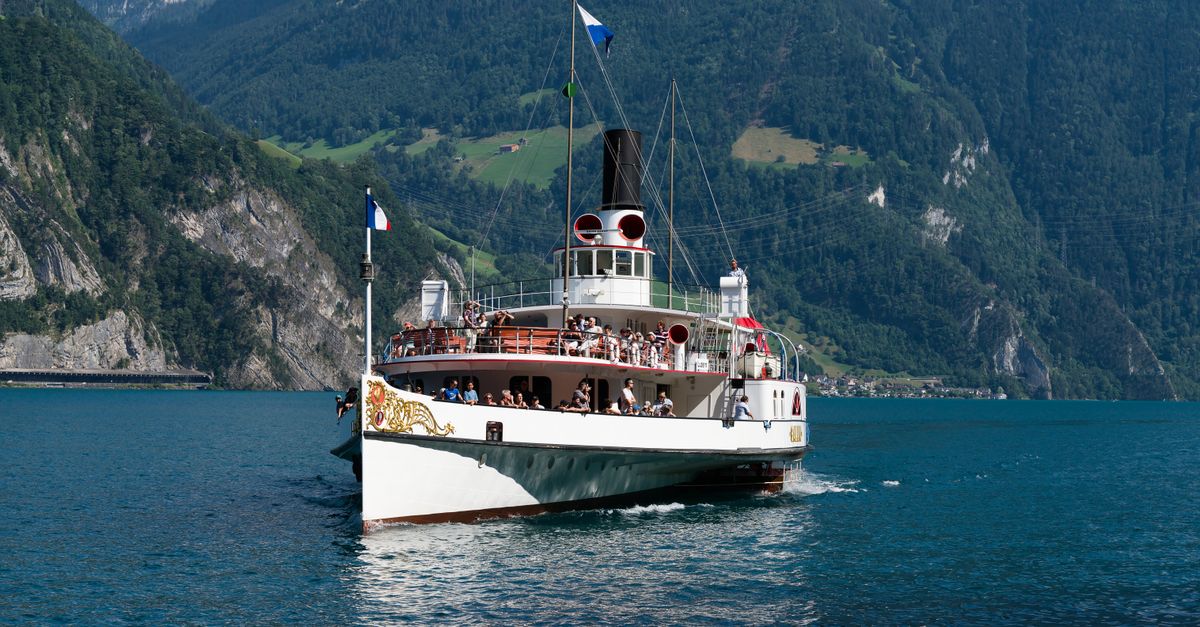
Riverboat dinner cruises on the Aura operate only June through August, serving new potatoes with dill, Baltic herring and cloudberry desserts while you drift past the cathedral's reflection. Reserve about two weeks ahead, especially for Friday-to-Sunday departures, and request outdoor seating when you book.
Food, drink, and the Market Hall
Turku is widely described as Finland's food capital, with a focus on seasonal, local produce and Archipelago Sea fish. Herring is the signature local ingredient, alongside archipelago bread, sourdough and raisin sausages.
The 125-year-old Turku Market Hall is the centrepiece. You can have a fish-heavy lunch, sample cloudberry jam, and stock up on picnic provisions in one cool, wood-lined space that is genuinely used by locals.
For something more substantial, the deep bench includes Blanko under the brick vaults by the Aura Bridge, Bistro Elli and the Kuppis Rooftop Bar at Original Sokos Hotel Kupittaa, and Restaurant Agnes in the renovated market square. Newer additions include Ruben at Hotel Kakola, Oobu and NOBI.
Beer lovers should plan a short crawl. Brewery Restaurant Koulu, set in a former school building, is Finland's largest brewery restaurant. Uusi Apteekki, in a former pharmacy, and Kakola Brewing Company, on Kakolanmäki Hill in a former prison, are both worth a stop. Kakola's hilltop neighbourhood also hosts bageri Å, a sourdough bakery and coffee shop.
Hotels and the July booking squeeze
July is high season, and the booking pressure is real. Hotel rates in Turku typically rise 30–40% in July compared with off-peak months, and the better riverside rooms are often snapped up by March. If you want a river view or a walk to the festival venues, booking four to six months ahead is sensible.
Most hotels cluster within walking distance of the centre. Examples include Original Sokos Hotel Wiklund, Radisson Blu Marina Palace, Solo Sokos Hotel Turun Seurahuone, Scandic Hamburger Börs and Scandic Plaza. For spa access and a quieter setting, Ruissalo Spa Hotel sits on the island just outside the centre. For a boutique stay that combines a room with the Kakola brewery and bageri Å bakery, Hotel Kakola is a tidy one-stop option. Live rates fluctuate, so check current prices before committing.
Safety, costs and planning tips
Finland is rated as very safe for travellers, with a US Advisory Level 1 advisory and a high country-level safety score. Turku's compact centre and well-lit riverside make evening walks straightforward. Standard Nordic precautions apply: keep an eye on belongings in festival crowds and follow local advice if you swim from the archipelago rocks.
Budget realistically. Reference daily budgets put a mid-range trip at around $170 and a shoestring trip at around $80, with Turku typically 15–20% cheaper than Helsinki for equivalent quality. The Stockholm–Turku overnight ferry on Viking Line or Tallink Silja runs roughly €50–120 per person, easily priced as a floating hotel as much as transport. From Turku Airport, the public bus to the centre costs around $3 while a taxi runs closer to $28.
Other practicalities:
- Buy Föli tickets in the app rather than from the driver when possible. - Book Turku Castle guided tours 5–7 days ahead, with evening 5–8 pm slots going first. - For Sea Jazz, the Wednesday Cathedral Park Terrace concert is free; everything else is ticketed. - Festival parking at Forum Marinum is limited to four hours; arrive by bus, bike or Fölläri. - Prices in this guide are reference figures; always check current rates with each operator before booking.
A final reminder: ferry timetables, festival line-ups, hotel rates and exchange rates can all shift between planning and travel. Cross-check the official Visit Turku, Visit Finland, airline, ferry operator and festival websites before you book and again before you depart.
Prices, opening hours, schedules, reservation rules, and local conditions can change; verify them through official channels before departure.
Share this article
TOOLS FOR THIS PLAN
Make the Turku plan measurable
Choose a tool only when it answers the next question in your trip. Your values stay in the browser, and each tool offers a route back to this planning context.