A Slow Look at Northern Angola

Tucked into the green folds of Uíge Province in northern Angola, the city of Uíge offers a quieter side of the country, one shaped by forest light, river valleys, and a deep sense of regional identity. It is the kind of place that rewards travelers willing to trade checklists for curiosity. Roads can feel unhurried, conversation tends to take its time, and the rhythm of local life leaves room for longer stops at a viewpoint, a market stall, or a museum courtyard. For visitors open to that tempo, Uíge reads less like a checklist and more like a conversation.
Weather and Seasonal Context
Uíge's climate tends to fall into two broad moods. The dry season, typically running from May through October, is widely considered the more comfortable window for moving around, since clearer skies and firmer roads make overland travel easier. The rainy season, by contrast, transforms the landscape into a lush, saturated green, the kind of scenery that photographers love, but it can also complicate road travel, turning rural routes into slow, muddy affairs. This is a useful frame for any visitor planning when to come: think of it less as good weather versus bad weather and more as easy mobility versus vivid scenery. Either season has its appeal, and the choice depends on whether smooth logistics or dramatic landscapes matter more for the trip.
Attractions and Planning
Two attractions sit at the heart of most Uíge itineraries, and they make a natural pair because they tell very different stories.
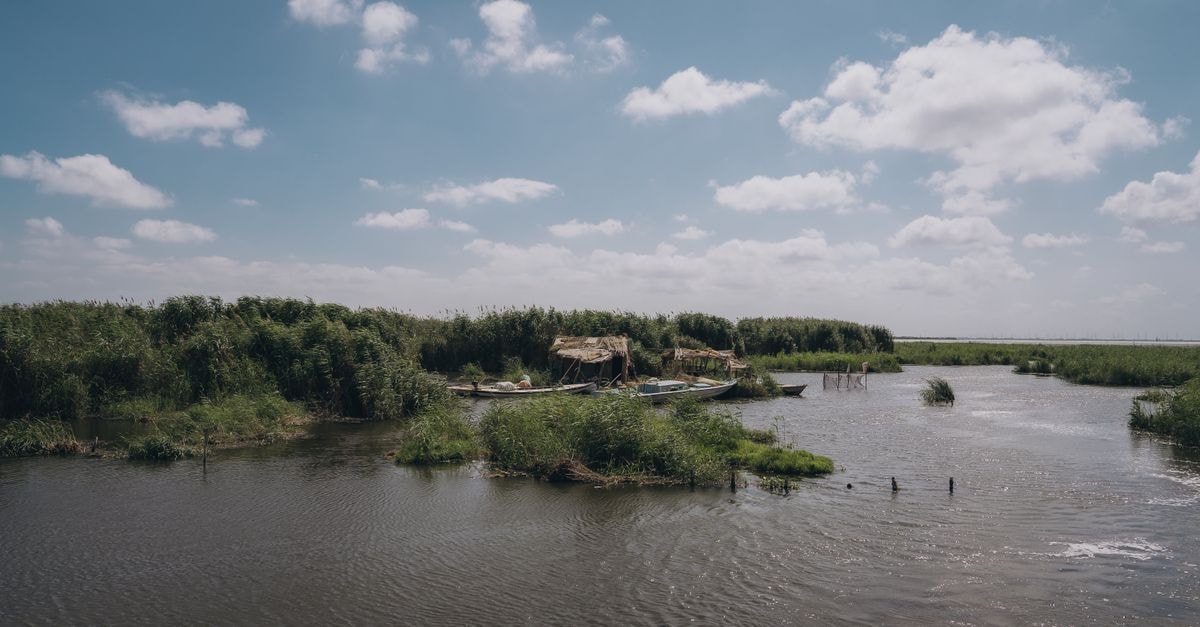
The first is the Quimbele Waterfalls, a natural landmark in the Uíge province that draws visitors from across Angola and beyond. Set among Angola's northern landscapes, the falls are the kind of natural wonder that rewards a deliberate approach, with rural access roads that respond strongly to the wet-versus-dry seasonal contrast discussed above. Travelers come for the scenery and stay for the sense of scale; the falls feel like one of those rare sights that photographs capture but never quite contain.
For travelers who like to plan lightly, this kind of pairing also helps set expectations. Two well-spaced visits, one for landscape and one for heritage, tend to reveal more about the province than a long list of stops would. There is no need to force a packed schedule here; Uíge rewards a slower approach.
Food and Local Context
One of the gentlest ways to settle into Uíge is through the rhythm of daily life, which includes how people eat and gather. Local residents lead a relatively unhurried existence, and they take real pride in their traditional way of life, from food to drink habits and the everyday rituals around them. Visitors who lean into that tempo, eating when locals eat, accepting what's offered, and treating meals as social moments rather than quick refuels, tend to feel the city open up faster than those who treat dining as a transaction. It is less about a specific must-try plate and more about the warmth with which food is shared.
Planning Notes for a Thoughtful Visit
A few practical habits tend to serve visitors well in Uíge. Build in extra time between stops, since rural distances and road conditions can stretch a short trip on paper into a longer day on the ground. Treat the museum as a starting point for understanding the region rather than a quick photo stop. And give the waterfalls the time they deserve, both for the journey there and for sitting with the view once you arrive.
It helps to think of Uíge as a province for travelers who enjoy a sense of discovery without the pressure of a tight schedule. The rewards here are subtle: a conversation in a courtyard, a stretch of green road, a waterfall that takes your time revealing itself.
A Final Note Before You Go
Conditions in any destination can shift, and travel details such as road access, weather patterns, and opening hours are worth confirming with local contacts or official channels close to your departure date. Treat this guide as a starting frame for your own planning rather than a final itinerary, and let local advice refine the details once you arrive.
**Disclaimer:** Travel conditions in Uíge, including weather, accessibility, and operating hours for cultural sites, can change. Readers should verify current details through official sources and local contacts before departure.
Share this article
TOOLS FOR THIS PLAN
Make the Uíge plan measurable
Choose a tool only when it answers the next question in your trip. Your values stay in the browser, and each tool offers a route back to this planning context.