Where the Danube turns its back on the map

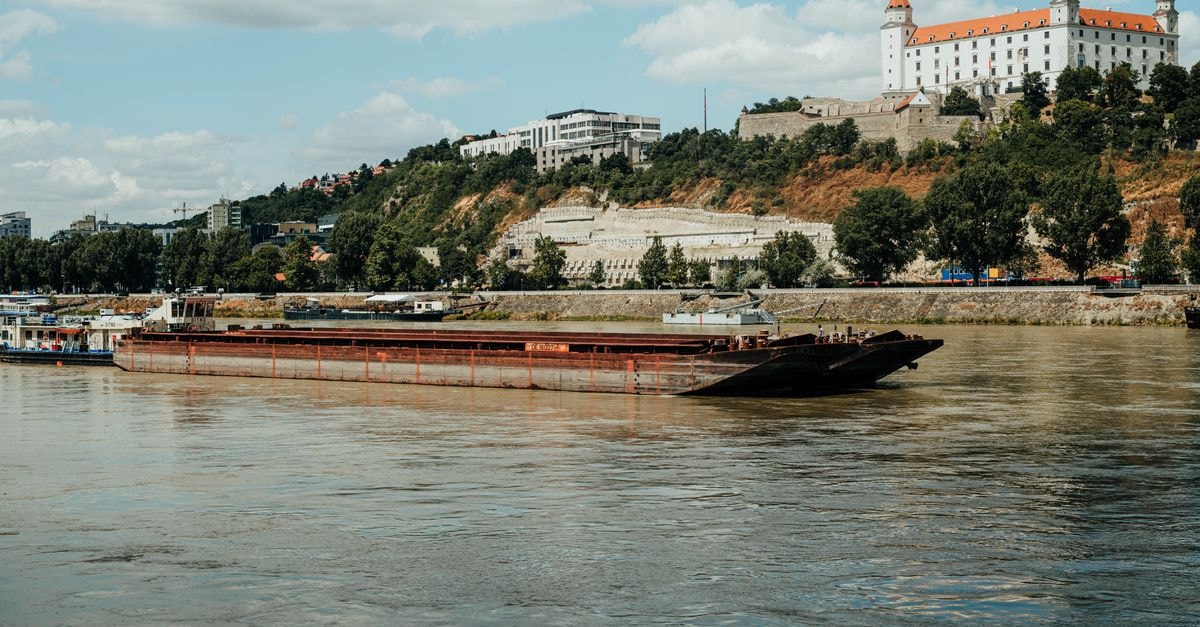
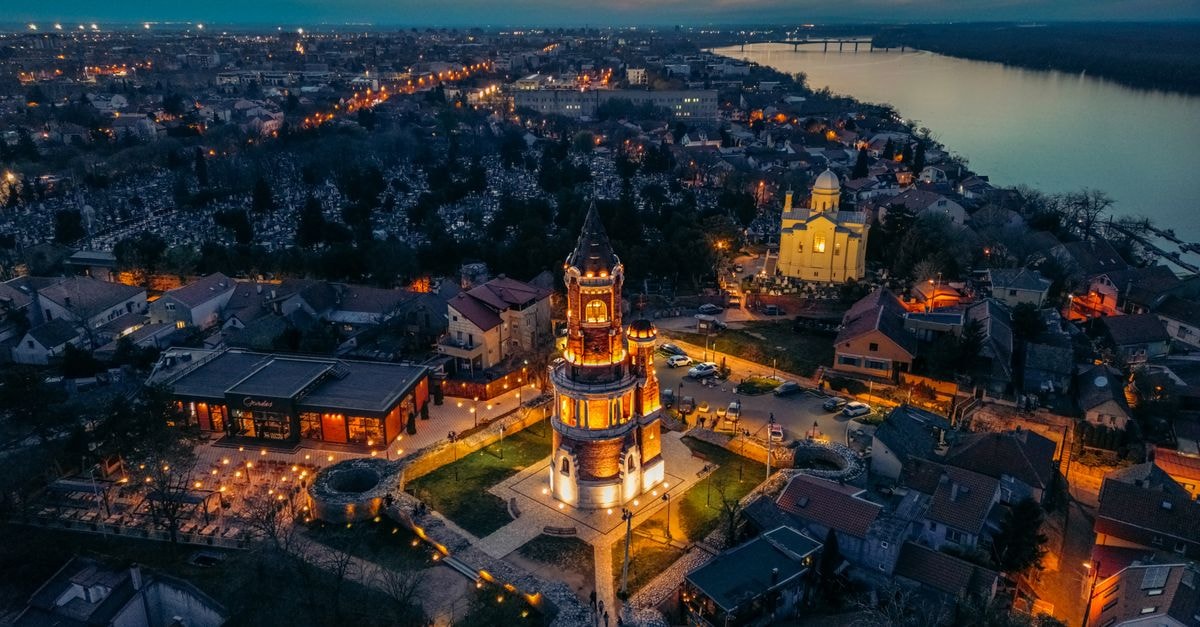
Vidin sits at the very edge of Bulgaria, pressed against the Danube where the river quietly marks the border between Bulgaria and Romania. Far from the busier tourist circuits of Sofia or Plovdiv, this small fortress city feels like a place you arrive at on purpose. The rewards for that effort are layered: a medieval stronghold with ten centuries of story, a UNESCO-listed prehistoric cave a short drive into the surrounding hills, and a working cathedral where big holidays still pull the whole town inside.
If you are the kind of traveler who prefers slow, weighty places over fast, photogenic ones, Vidin tends to reward the patience. The trade-off is that this part of Bulgaria is genuinely remote, so your days need a bit more framing than they might in a capital city. The payoff is a quieter, more deliberate pace and a deep bench of history within a small footprint.
Getting around
Practical movement around the city itself is straightforward, but the city's relationship with its wider region matters for planning. Public transport into the hills is limited and slow, so most visitors either drive or arrange a tour if they want to reach sites beyond the central riverfront. Because Vidin is genuinely remote, drivers tend to find their days more flexible here, while anyone relying on public transport benefits from grouping any out-of-town plans into a single longer excursion rather than several short hops.
The cathedral is one of the city's living centers. On big holidays like Easter, Christmas, and New Year's, almost every inhabitant goes there to celebrate the big day, and the atmosphere is formal but welcoming to respectful visitors. If your travel rhythm overlaps with a major Orthodox holiday, expect the cathedral area to be busy and dressed up, and plan around it rather than through it.
Historical layers worth knowing
Vidin's identity is unusually old for a Bulgarian town. It began as the Celtic settlement of Dunonia, grew into a Roman fortification, and was later reshaped by the Slavs into the town of Badin. That long arc is useful context when you are walking the streets: the layers are quieter than they would be in a more reconstructed old town, and the layout rewards unhurried exploration.
Attractions and planning
The headline sight is **Baba Vida Fortress**, a medieval castle whose roots reach back to the 10th century. It is the kind of stronghold that reads as both ruin and living landmark — you can walk its walls, feel the weight of its stone, and look out over the Danube from the same vantage points that have watched the river for a thousand years. Travelers who enjoy layered history will get the most out of a slow walk here rather than a quick photo stop.
Beyond the fortress, the wider Vidin region holds one truly distinctive site: the cave near the village of Rabisha, west of the town of Dimovo. It is a vast maze with many unique formations and at the same time a real underground museum in the bosom of the mountain, sculpted by nature from millions of years. The Magura, as it is known, was inhabited by humans as far back as the prehistoric era, which gives the visit a strange double quality — natural geology on one level, deep human time on another.
Inside the city itself, a cluster of religious sites anchors the central area, including Stambol Kapia and several other churches and cathedrals listed among the notable places to visit. They cluster close enough that you can string them together on foot, and they pair naturally with the fortress on a single morning loop. Travelers who prefer short walking days with cultural density over long drives will find this central grouping efficient.
Choosing what fits your trip
Vidin is a place where your choice of base and rhythm shapes the experience more than the choice of specific sights. Drivers can pair the fortress and cathedral loop with a half-day out to the Magura Cave in one well-paced day, while those without a car will likely want to focus on the central sights and treat any cave visit as a dedicated, pre-arranged excursion. Holiday overlap is a real factor here: if your visit brushes a major Orthodox celebration, build the cathedral into the plan rather than trying to work around the crowds. The city's remoteness is also a feature — it filters the pace toward slower, more considered days, which suits travelers who like history and quiet over checklist tourism.
Prices, opening hours, schedules, reservation rules, and local conditions can change; verify them through official channels before departure.
Share this article
TOOLS FOR THIS PLAN
Make the Vidin plan measurable
Choose a tool only when it answers the next question in your trip. Your values stay in the browser, and each tool offers a route back to this planning context.