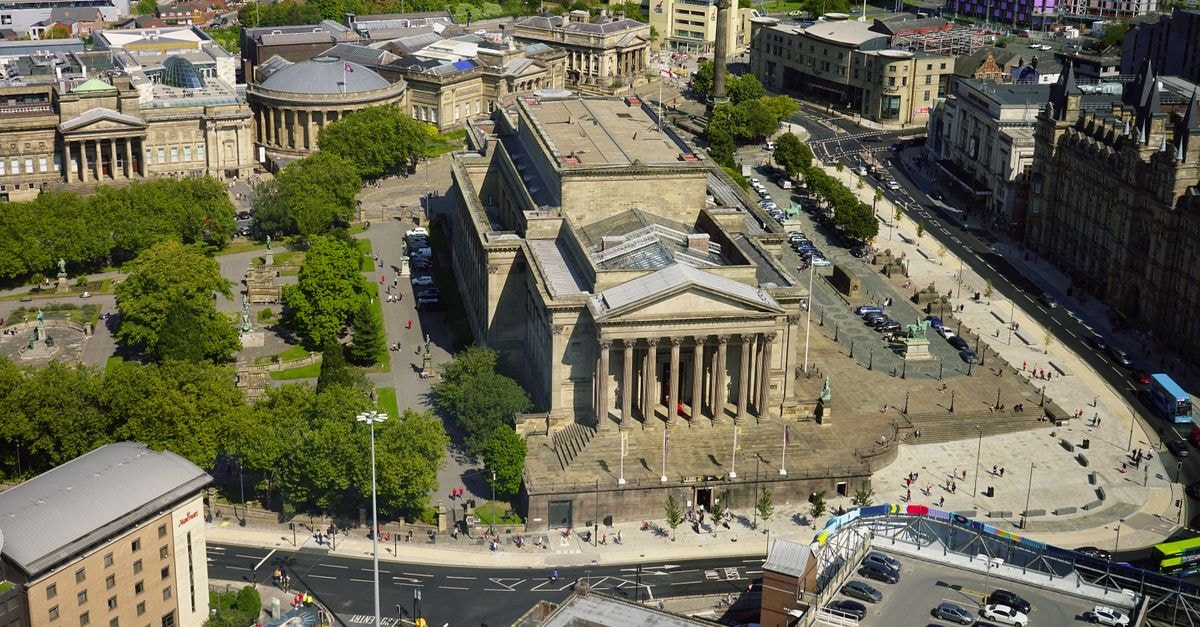
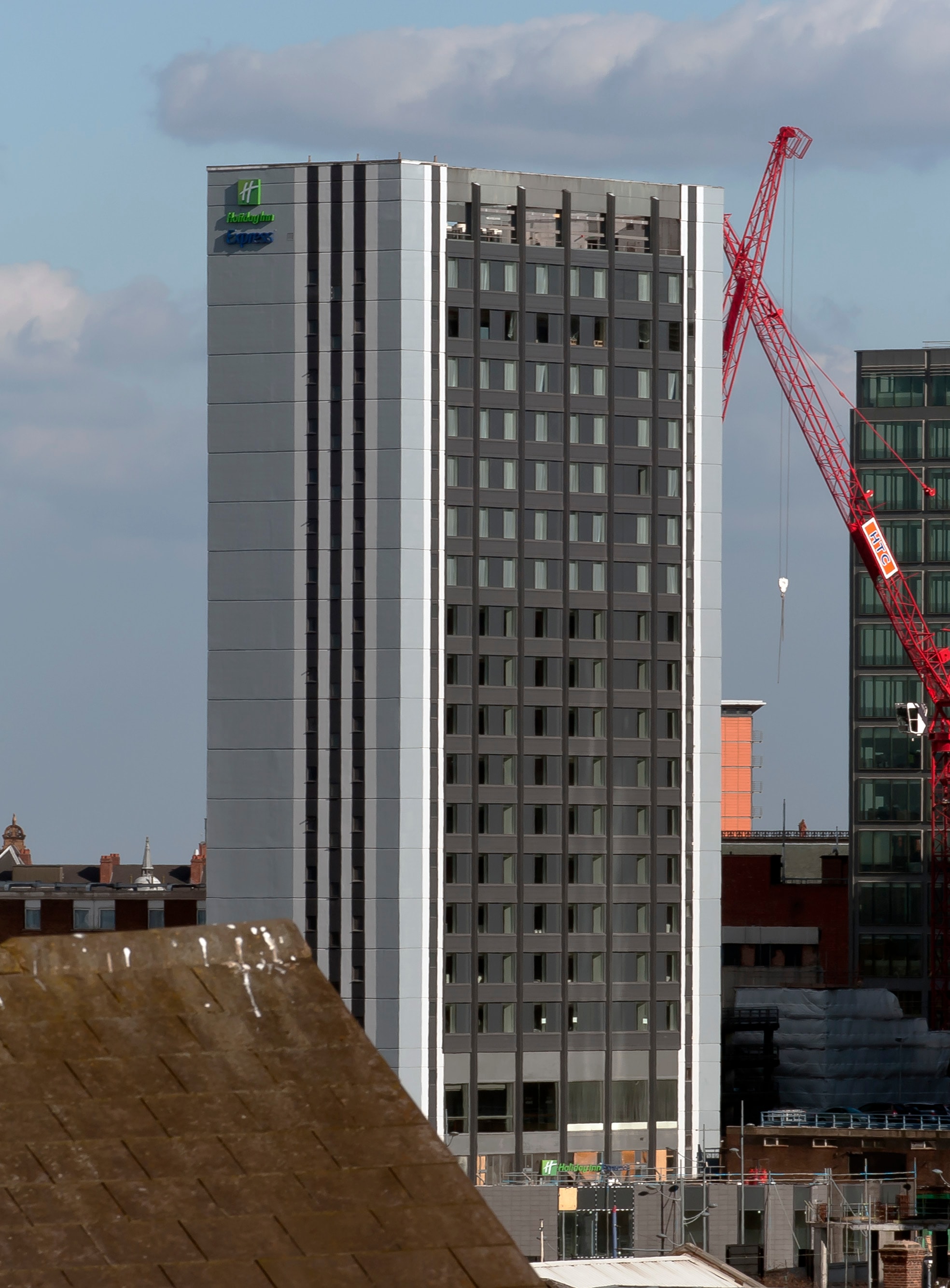
A first look at Wolverhampton

Wolverhampton sits in the West Midlands and carries the relaxed, workaday rhythm of a regional English city. The centre feels compact and easy to read on foot, with a mix of Victorian streets, newer public spaces and a growing creative scene that doesn’t shout about itself. It’s the kind of place where you can settle into a slow morning, drift between galleries and small venues, and still feel like you’ve covered the heart of the city by the time evening arrives. For an independent traveller, that makes Wolverhampton a rewarding stop rather than a frantic sightseeing challenge.
What gives the city its identity, beyond the everyday hum of shops and students, is the way culture, food and travel connections layer so neatly on top of each other. The transport network is genuinely convenient for someone arriving from elsewhere in the UK, the arts scene has a distinctive flavour, and the wider British food culture that visitors encounter here is broader and more interesting than its old reputation suggests. That combination is what makes a Wolverhampton visit feel like a proper discovery, even for travellers who think they already know English cities.
Getting around
Reaching the city centre is straightforward, which is one of the first things a visitor notices when planning a trip. Wolverhampton is described as being quick and easy to get into, so arrival logistics don’t need to dominate your itinerary. That kind of accessibility is useful when you’re arriving tired, juggling luggage, or simply want to drop your things and start exploring without fuss.
The city is also well connected by road. It sits on the nation’s motorway network, which means driving in from other parts of England feels logical rather than like an effort. For visitors flying in, the proximity to Birmingham International Airport, around 40 minutes away, and Manchester Airport, roughly 90 minutes away, opens up plenty of arrival options without needing a long onward transfer. Once you’re in, the city centre itself is the kind of place that rewards walking between stops, especially since the key cultural venues are close together.
A newer touch on the scene is the kind of independent, design-led venues popping up around the centre. The arrival of WV1 Cocktail Bar on Princess Street is a good example of how the city centre is evolving, adding small, characterful places for an evening drink alongside the more established pubs and restaurants. These openings shift the texture of a night out and give visitors one more reason to wander a few streets beyond the obvious.
Art, culture and slow afternoons
The cultural anchor that most visitors will want to plan around is Wolverhampton Art Gallery. It’s described as home to one of the country’s best collections of British and American Pop Art, displayed in a dedicated Pop Art gallery space. That single fact reshapes how you might think about a stop here, because Pop Art of that calibre is not something you expect to find outside London or the biggest regional museums. Setting aside even an hour or two for the gallery becomes a highlight rather than a wet-weather backup.
The strength of the collection shows up in the artists featured in its changing exhibitions. Names like Andy Warhol, Richard Hamilton and Pauline Boty are associated with the programme, which means each visit can offer a slightly different angle on the movement, even if the core Pop Art gallery stays the same. Pauline Boty in particular is a draw for anyone interested in the British side of the era, since she’s one of the most significant female figures of the original Pop Art wave and her work is far less commonly shown than that of her male peers.
Planning around these highlights doesn’t need to be complicated. Most visitors find that a single full day covers the art gallery with room for a slow lunch, an evening drink at one of the newer venues, and time to simply walk the centre and absorb the atmosphere. Because the city is compact and the key attractions cluster close together, there’s little need for complicated routing.
Food and wider local context
It’s worth setting expectations honestly: UK food culture is broader and more interesting than its old stereotypes, and that shift is part of what you’ll feel while eating out in Wolverhampton. Across the United Kingdom, traditional dishes, regional variations and newer restaurant concepts sit comfortably alongside each other, and dining out often mixes comforting classics with contemporary menus. Visitors who arrive expecting nothing but stodgy pub food tend to be surprised by how global, modern and ingredient-focused the everyday options are.
That wider food culture also comes with its own social rhythms and customs. British dining tends to value politeness, queuing and a relaxed pace, with table manners that are friendly rather than formal. Knowing those small norms, like waiting to be seated, saying please and thank you, and being comfortable with the casual service style of most pubs and cafés, makes eating out feel smoother. These are country-wide habits you’re likely to bump into at restaurants, markets and cafés in Wolverhampton, even if they aren’t specific to the city itself.
In practice, that translates into a food scene where you can wander without a fixed plan, pop into a neighbourhood pub for a classic dish, or look for a more contemporary kitchen serving something seasonal, and feel like both choices fit the city. Pairing a relaxed meal with a slow walk afterwards, perhaps past one of the newer bars on streets like Princess Street, is the natural rhythm of an evening here.
A few practical notes before you go
- **Foot first:** The centre is compact, so comfortable shoes and a loose plan beat any packed timetable. - **Evening options:** Look beyond the obvious high street for newer independent venues that have recently opened, which add real variety to a night out. - **Day length:** A full day is usually enough to enjoy the Pop Art collection at Wolverhampton Art Gallery and still leave room for wandering, eating and an evening stop. - **Connectivity:** Being on the motorway network and close to two major airports makes arrival and departure flexible whether you’re driving or flying.
Travelling well here is less about chasing a checklist and more about giving yourself permission to slow down, look at art properly, eat well and let the city reveal itself at its own pace.
Factual travel conditions can change, so it’s always wise to check official channels for the latest opening hours, travel updates and event listings before you set off.
--- *This guide is based on approved factual sources and is intended as evergreen city guidance. Details may evolve over time, and readers should confirm specifics through official sites and current listings before travel.*
Share this article
TOOLS FOR THIS PLAN
Make the Wolverhampton plan measurable
Choose a tool only when it answers the next question in your trip. Your values stay in the browser, and each tool offers a route back to this planning context.