A highland city shaped by soil and routes

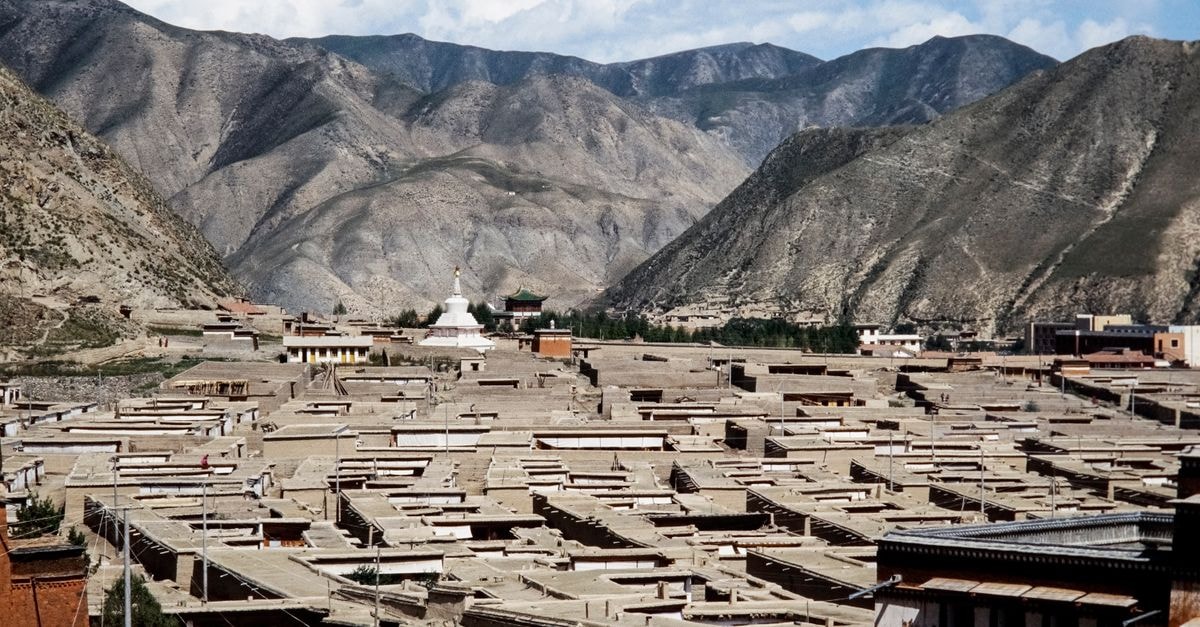
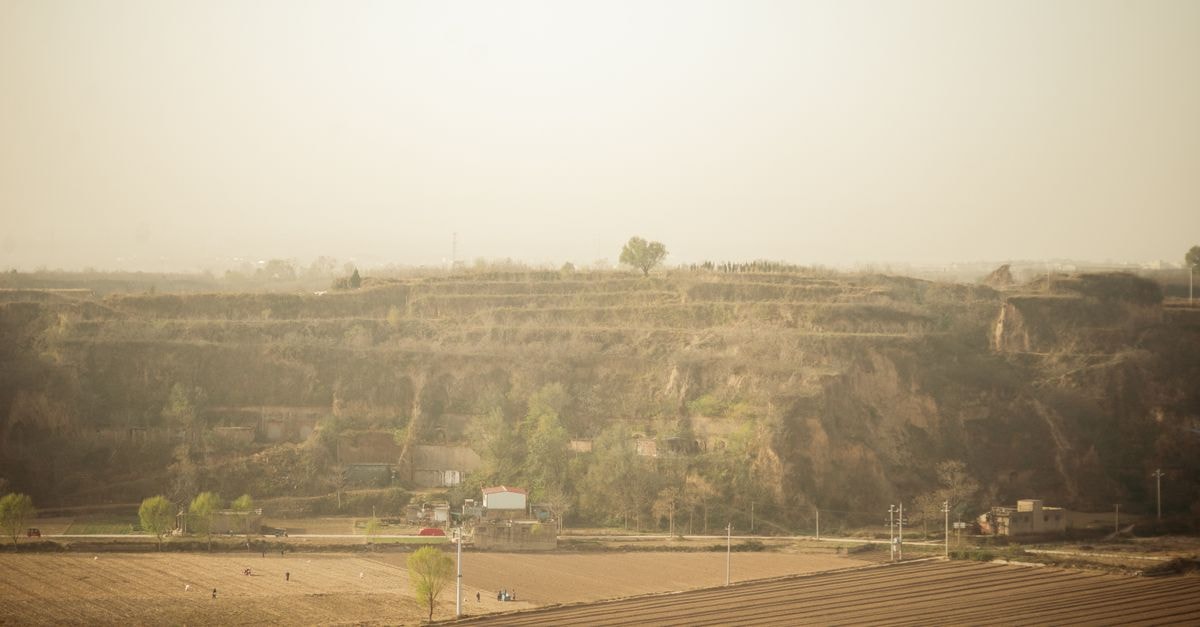
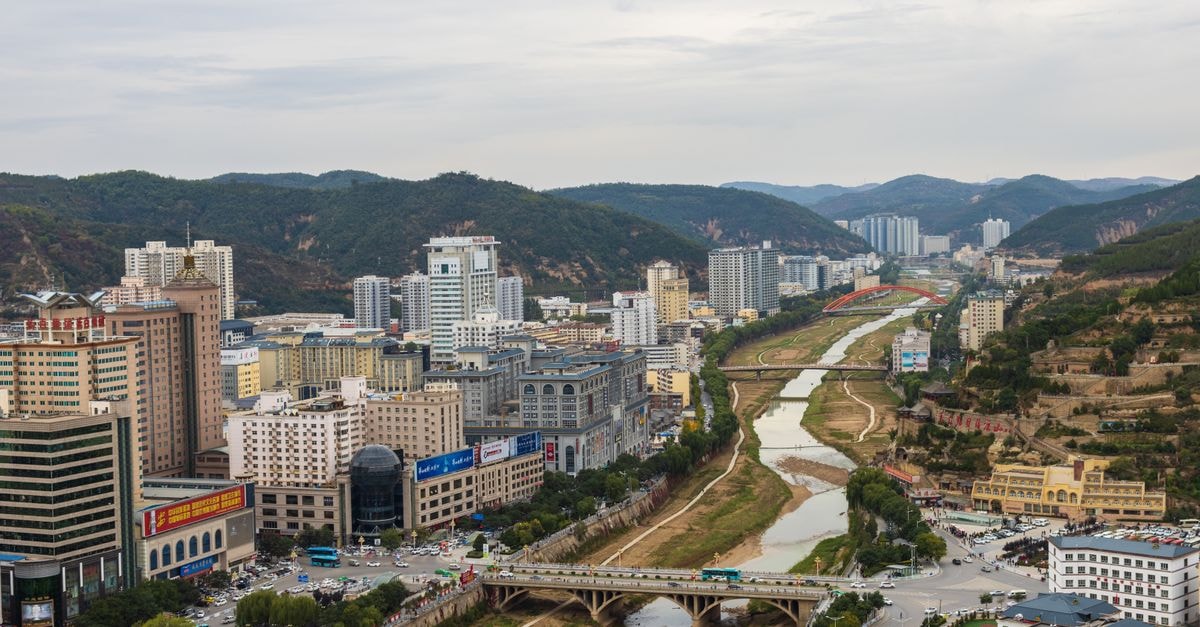
Dingxi sits in the loess highlands of Gansu, a part of northwest China where the land itself tends to be the main character. The hills here are folded and softly eroded, the valleys feel quiet, and the pace of daily life follows the rhythm of the soil rather than a metropolis schedule. For travelers used to China's busier hubs, that shift in tempo is part of the appeal: Dingxi is a place to slow down, eat well, and pay attention to the texture of a region that has long sat between major corridors.
Two threads run through any visit. The first is food, because Dingxi is widely known across China for its potato cooking, and the kitchens here take that one ingredient remarkably seriously. The second is movement, since the city sits near the eastern end of the Hexi Corridor and along routes that have historically connected different parts of northwest China. Understanding those two threads — what people grow and how people travel — gives a visitor a much clearer sense of place than any checklist of sights.
Weather and seasonal context
The climate here has a wide swing between daytime and nighttime conditions, which matters more than a single average number. Recorded readings in Dingxi show an average of about 7°C (45°F), with daytime highs reaching up to 23°C (74°F) and overnight lows dropping to around -4°C (24°F). That kind of spread — pleasant afternoons followed by genuinely cold nights and evenings — is typical of high-altitude continental settings and tends to catch first-time visitors off guard.
The practical takeaway is layering. A daytime outfit that feels comfortable in the sun can leave you underdressed once the sun drops behind the loess ridges, and restaurant or hotel interiors are not always heavily warmed in older buildings. Pacing the day differently, with the warmest window reserved for outdoor walking and a slower indoor rhythm once temperatures fall, usually feels more natural than fighting the weather. Travelers who dislike sharp temperature swings within a single day may want to think about whether they prefer a milder season, since evenings here can feel distinctly chilly even when afternoons are mild.
Getting around
Dingxi sits within reach of Lanzhou, the provincial capital, and the relationship between the two cities is central to how visitors move through the region. Dingxi has historically functioned as a waypoint on routes connecting different parts of northwest China, including the eastern section of the Hexi Corridor, which means transport infrastructure is shaped more by through-travel than by a dense local metro system.
For air arrivals, the relevant airport is in Lanzhou rather than Dingxi itself, and the transfer between Dingxi and Lanzhou airport needs to be planned with generous time. This is less about distance and more about the reality of overland travel on secondary routes: connections work, but they tend to move on their own rhythm. Travelers flying in or out should treat the Dingxi–Lanzhou leg as a buffer day rather than a tight transfer, especially if a flight is scheduled in the early morning or late evening.
Within China, major carriers operate numerous domestic routes to Lanzhou, which gives independent travelers flexible options for reaching the wider region. Once on the ground, the practical rhythm is Lanzhou for flights, then an overland hop to Dingxi; that pattern tends to suit travelers who are comfortable navigating regional transport and who enjoy smaller cities, rather than those looking for a self-contained urban destination.
Food and local context
Food is where Dingxi most clearly earns its reputation, and it is hard to write about the city without giving real space to eating. The local cuisine is built around the potato, an ingredient that the surrounding loess plateau grows especially well. Across the city, that translates into a kitchen culture where potatoes appear in many forms: stir-fried, smashed, braised, cold-dressed, or worked into heartier stew-style preparations that suit the climate. Rather than thinking of a single signature dish, it is more useful to think of a whole category of cooking — Dingxi potato dishes — that shows up across menus and small restaurants.
Because the potato anchors so much of the local food identity, travelers who enjoy vegetable-forward, ingredient-led cooking will find the most to explore, particularly if they like comparing regional variations on a single staple. For wider regional context, the Muslim food culture of nearby Linxia influences kitchens across southern Gansu, and that cross-current can show up on some Dingxi menus as well, especially in dishes that bring together northwest-Chinese wheat-and-lamb traditions with the local produce.
A practical note on dietary preferences: vegetarian dishes exist, while Kosher food is virtually nonexistent in Dingxi. Travelers with strict dietary requirements may need to plan ahead more carefully than they would in larger Chinese cities, and communicating restrictions in advance at smaller restaurants is often more effective than improvising on the spot.
What kind of traveler fits Dingxi
Dingxi tends to suit travelers who enjoy smaller, quieter cities and who are curious about regional food traditions rather than headline sights. If you like exploring a place through its markets, kitchens, and everyday meals, the potato-led cuisine gives you a clear, rewarding thread to follow. If you prefer cities with dense walkable sightseeing lists, or you are sensitive to wide day-to-night temperature swings, you may find the experience less aligned with what you enjoy. Travelers using Lanzhou as a flight base should treat the transfer as part of the journey rather than a gap to rush through, since the overland rhythm shapes the whole visit.
A short verification question worth asking before committing: whether your preferred restaurants or accommodation options are open and operating during your travel dates, since smaller-city information changes more quickly than in major hubs, and a quick check through official channels or a recent booking platform is the simplest way to avoid surprises.
Travel conditions, transport schedules, and operating details can change, so official channels and current listings should be checked before departure to confirm the latest information.
Share this article
TOOLS FOR THIS PLAN
Make the Dingxi plan measurable
Choose a tool only when it answers the next question in your trip. Your values stay in the browser, and each tool offers a route back to this planning context.