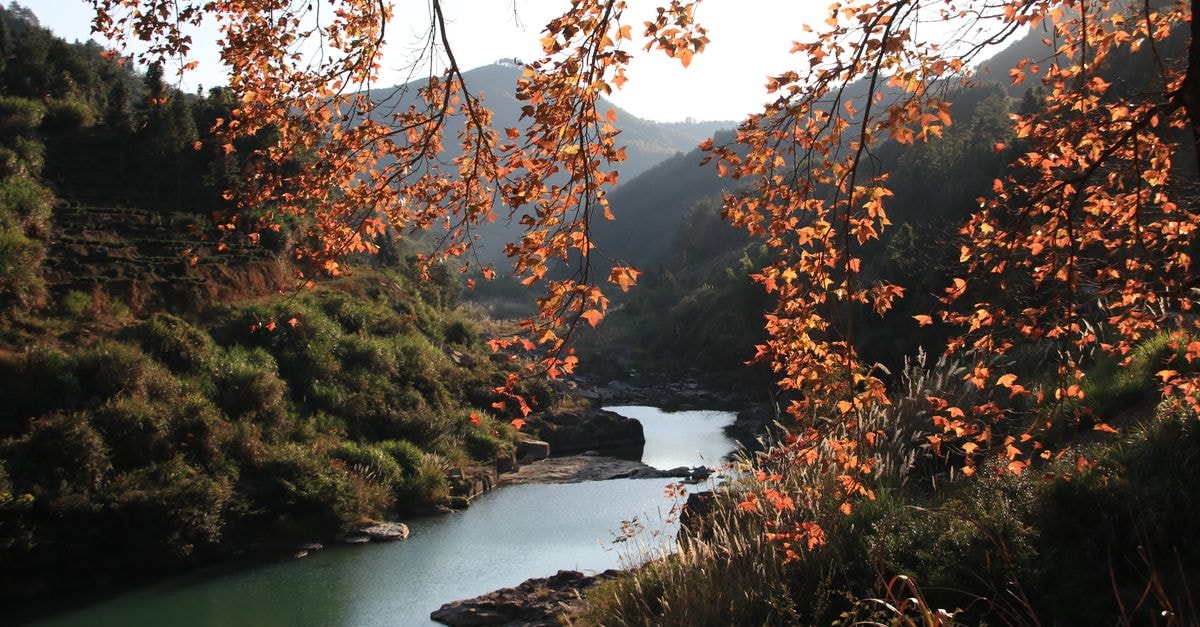
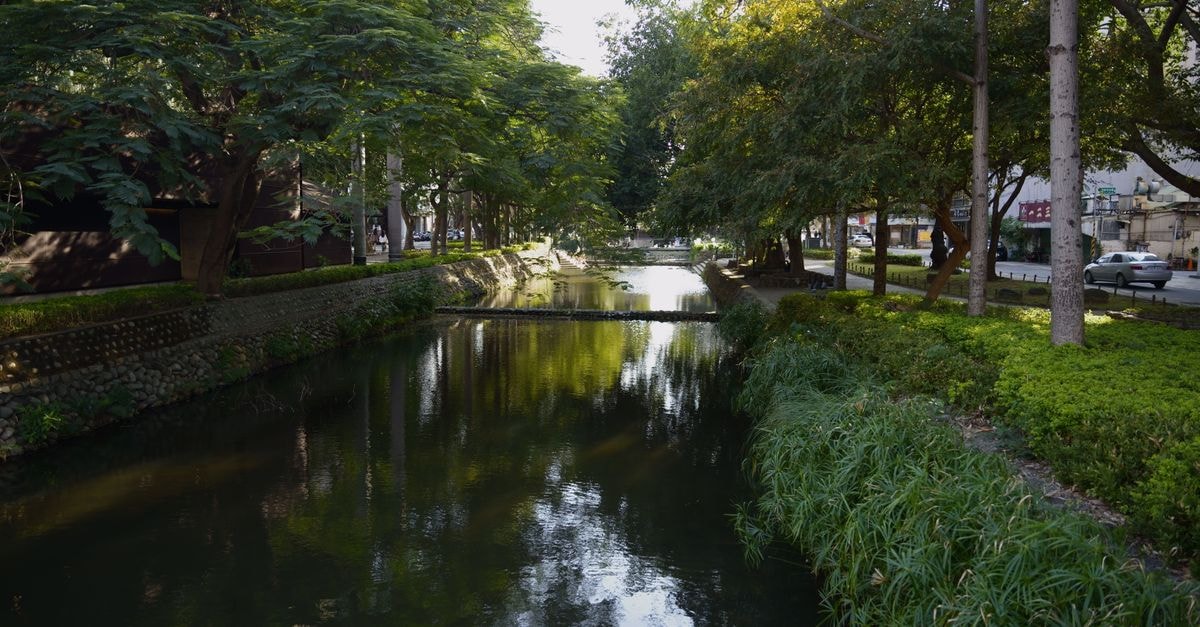
A leafy base in the Ili Valley

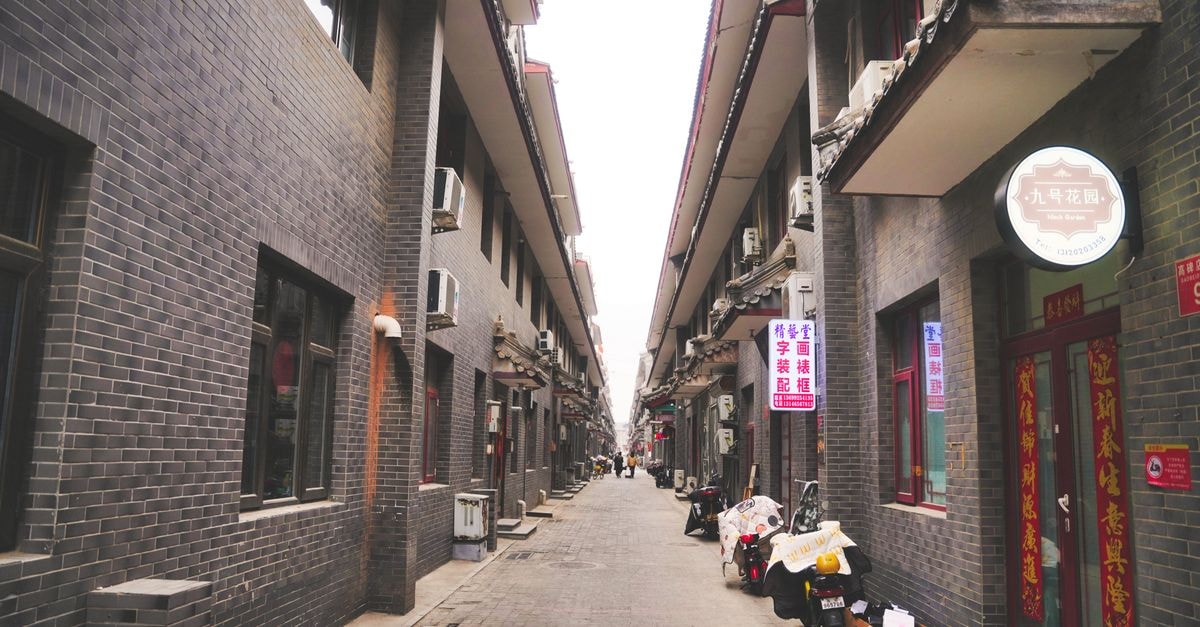
Yining sits at roughly 640 m elevation in the Ili Valley of Xinjiang, and it wears that green reputation honestly. Travelers arrive expecting a frontier outpost and find instead a tree-lined, garden-streaked city that functions as a calm, well-watered base for exploring the wider region. The old Russian-quarter street, with its characterful curtain walls in blue, has become a quiet symbol of the city's layered past and is one of the first places visitors tend to wander toward.
Beyond the city itself, Yining is best understood as the gateway to the meadows of the Ili Valley and a natural pivot for onward routes north and east. That role shapes everything from how the city is laid out to how travelers pace their days: plan to slow down here, use it as a soft landing, and let the rest of the Ili Valley unfold from its doorstep.
Getting around
Yining is well connected to the wider Ili Valley and to the rest of Xinjiang, which is exactly why most travelers use it as a hub rather than a single overnight. The city is served by Yining Airport (YIN), and the high-speed rail connection from Urumqi takes roughly five hours, making the rail journey a comfortable and reliable way in rather than a chore to avoid. Day three of a typical Xinjiang route often features the direct Urumqi to Yining high-speed rail segment, underlining how central that connection is.
Within the region's rail network, a few key fares help with budgeting the onward journey. From Urumqi to Yining by high-speed rail, tickets cost around RMB 128. Continuing from Yining to Kuitun by high-speed rail is about RMB 78, and from Kuitun to Altay by hard sleeper is roughly RMB 144, with the Kuitun to Urumqi hard seat leg coming in around RMB 91. For travelers who would rather fly, Yining to Altay by plane is available for around RMB 305. Reference to more general northern Xinjiang transportation options, including the rail hub at Beitun City further north, gives plenty of flexibility when sketching out a wider loop.
Within Yining itself, the city is compact enough to navigate on foot for the old quarter and the garden streets, while taxis and ride-hailing apps cover anything further. Because the city functions as a base, the practical question is rarely how to get around Yining and more how to plan the next leg out of it.
Planning your stay
Yining works best as a two- or three-night base, long enough to settle into the leafy pace and short enough to leave you hungry for the Ili Valley beyond. The old Russian-quarter street deserves a slow morning rather than a photo stop, and the surrounding tree-lined avenues reward an unhurried walk. From there, Yining's transport links make it easy to continue by high-speed rail to Kuitun, by overnight train onward, or by air if time is tight.
A few practicalities keep the trip smooth. Confirm intercity rail and flight schedules through official channels before departure, as timetables and pricing can change. Carry some cash for smaller eateries and market stalls, even where card or mobile payment is widely accepted elsewhere in China. And give yourself one truly unscheduled afternoon in Yining: the city's calm, garden-like atmosphere is part of its appeal, and it shines brightest when you stop trying to optimize it.
*Factual travel conditions can change, and official transport, weather, and tourism channels should be checked before departure.*
Share this article
TOOLS FOR THIS PLAN
Make the Yining plan measurable
Choose a tool only when it answers the next question in your trip. Your values stay in the browser, and each tool offers a route back to this planning context.