A first look at Yokosuka
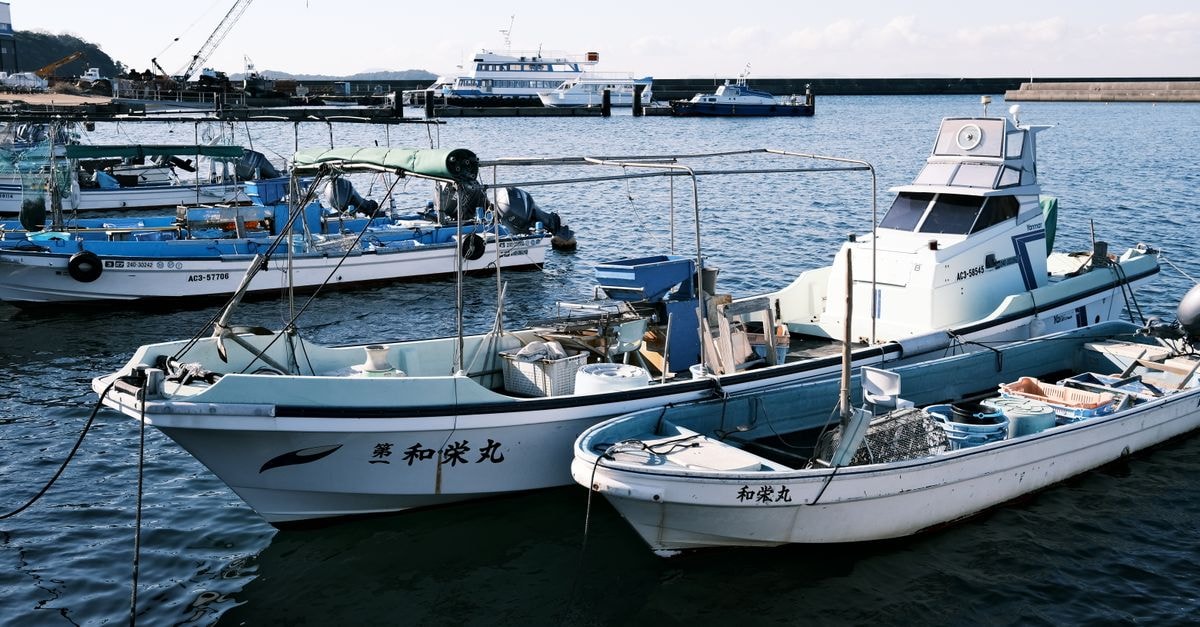
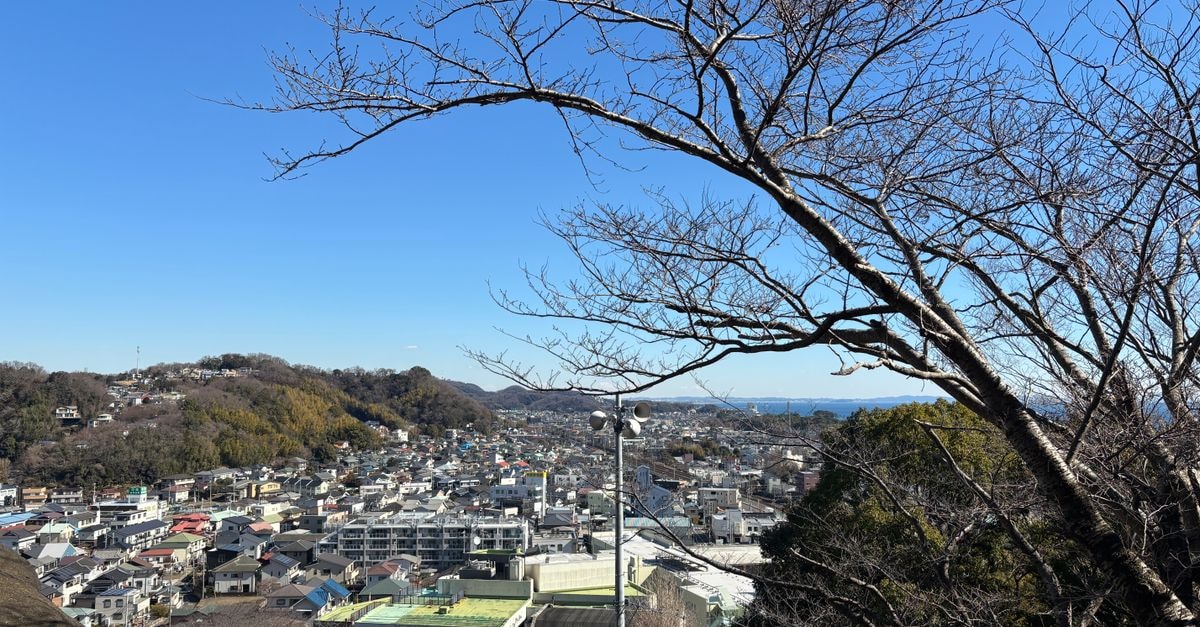
Yokosuka sits on the Miura Peninsula across the bay from Yokohama, with a layered identity that travelers tend to enjoy once they arrive. It carries a deep maritime history shaped by the long presence of the Japanese naval base, a creative side expressed through galleries and museums, and a coastal rhythm that feels a world away from the Tokyo rush. The city is also known for promoting a specific local recipe that visitors are likely to encounter on menus across town.
This guide focuses on what you can genuinely plan around: how the seasons tend to feel, how to arrive and move between key stations, what to see, and what to eat. Think of it as a starting point you can tailor to your own pace and interests.
Weather and seasonal context
Yokosuka, like much of Japan, takes on a distinctive look as the cooler months approach. The landscape can feel like a slow shift into autumn color, with the broader region described as turning into a gold, yellow and orange scene starting from September, an effect that visitors tend to remember well past the moment they see it. Travelers often describe this stretch as a particularly rewarding time to be in Japan for slow walks, harbor viewpoints, and open-air cafés that close up when winter arrives.
Because temperatures and conditions can vary from year to year, it is worth packing layers and pacing outdoor sightseeing earlier in the day. Early evenings, especially near the water, can cool down quickly even when the daytime feels mild.
Getting around
From Yokohama the picture changes. The Keikyu Line connects Yokohama to Yokosuka-Chuo in roughly 30 minutes for about ¥390, with trains running every 10 to 15 minutes. JR travellers can also combine the Negishi Line and Yokosuka Line to reach Shioiri in roughly 40 minutes for about ¥470, with departures every 15 to 20 minutes. In practice, the Keikyu Line is notably faster and cheaper from Yokohama, so travelers coming from that direction may want to consider switching to Keikyu for the smoother ride and lower fare, while JR pass holders can simply stay on the JR network.
Once in town, the rail stations at Yokosuka-Chuo, Shioiri, and Kurihama act as natural anchors for sightseeing.
Attractions and planning
For travelers interested in the city's maritime past, the historic Yokosuka Naval Base is a significant landmark in Japan's naval history and tends to be a focal point for visitors who want context before exploring the waterfront and museum districts nearby. Consider pairing a visit here with time along the harbor to feel the scale of the bay and how the base has shaped the surrounding city.
If you prefer art and quieter indoor time, the Yokosuka Museum of Art is known for contemporary and traditional collections, and works well as a relaxed stop between harbor walks or before catching a train. Ask locally about accessibility and current exhibitions before you go, since offerings and layout can change.
Food and local context
Yokosuka has an officially promoted local recipe that the city actively supports, with dozens of local restaurants serving it on their menus. Travelers curious about regional food culture often enjoy ordering it at least once during their stay, treating it as a quick way to connect with the city's identity beyond its harbor and naval landmarks. Because it is an official city standard, you are likely to find consistent versions at multiple spots rather than a single iconic venue.
Across Japan more broadly, dining tends to follow patterns travelers will recognize: menus in many restaurants feature photos, tipping is not customary, and small eateries may prefer cash. Treat that as wider Japan context you may encounter while in Yokosuka rather than as a guarantee of any specific restaurant's policy.
Choosing what fits the trip
If your idea of a good day is a harbor walk followed by an art museum and a slow lunch of the city's signature dish, Yokosuka fits comfortably into a one-day plan from Tokyo or Yokohama. If you would rather pair your visit with a ferry crossing or a peninsula drive, basing yourself near Kurihama Station gives you a natural launch point. Travelers who want a quieter, museum-focused stay may prefer staying near Yokosuka-Chuo, where cafés and galleries cluster within easy walking distance. JR pass holders can simplify their arrivals, while visitors already in Yokohama will generally save time and money by switching to the Keikyu Line.
Before you go
Fares, timetables, and opening details can change, so it is worth checking JR and Keikyu schedules, museum hours, and any ferry information through official channels before travel. Currency rates are a useful reference only, and you should confirm the live exchange rate before budgeting. Treat the guidance here as a starting framework rather than a fixed plan, and let your own interests shape the day once you arrive.
Share this article
TOOLS FOR THIS PLAN
Make the Yokosuka plan measurable
Choose a tool only when it answers the next question in your trip. Your values stay in the browser, and each tool offers a route back to this planning context.