A first look at Zalău

Zalău is the kind of place that rewards travelers who arrive curious and unhurried. It sits in the northwest of Romania as the capital city of Sălaj County, an area where forested ridges give way to rolling lowlands and small-town streets unfold at an easy pace. The city carries a quiet, lived-in character, with layered history tucked behind facades rather than displayed on billboards. For visitors who want to step off the well-trodden Romanian tourism circuit and into a region that still feels local, Zalău offers a gentle introduction to the foothills of the Apuseni range.
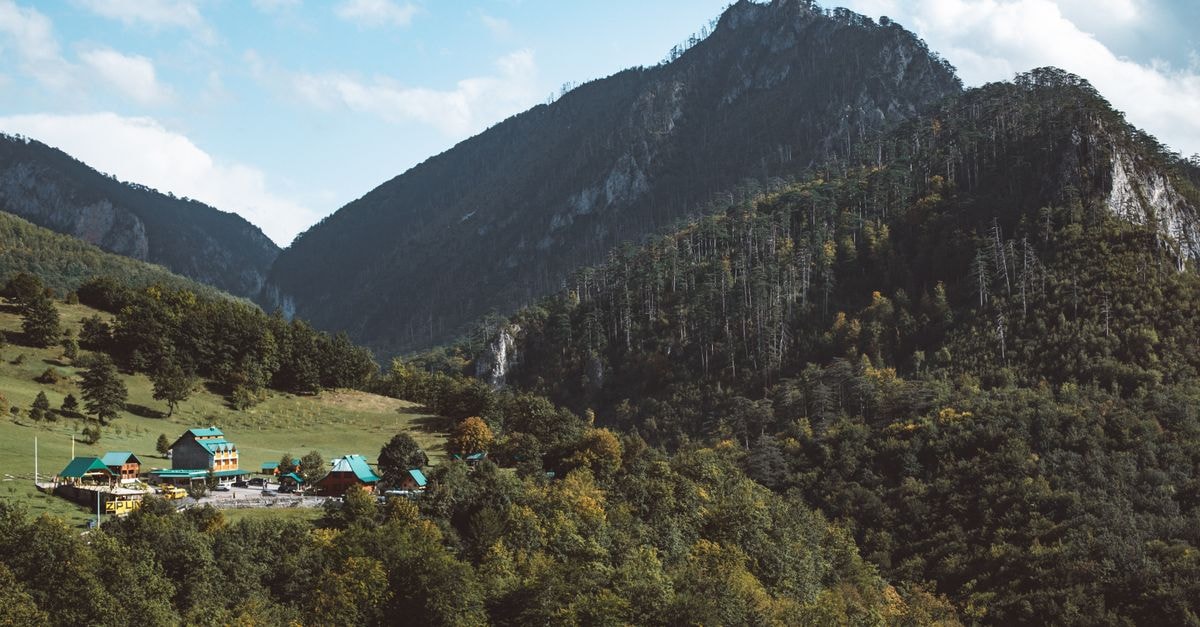
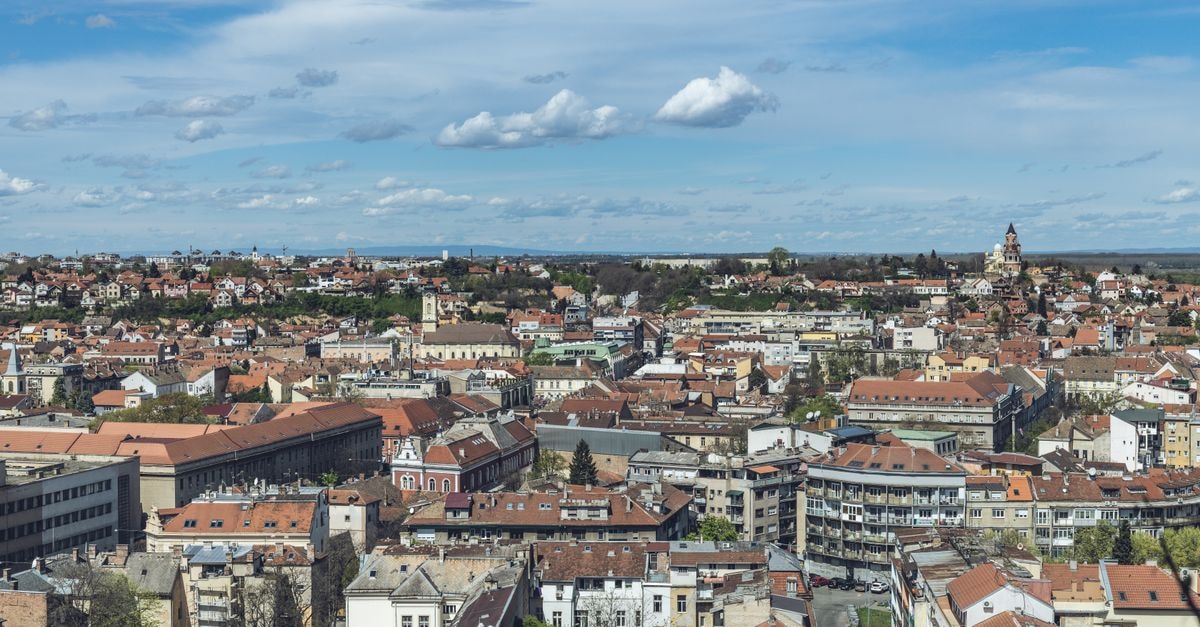
The city's position at the foot of the scenic Meseș Mountains shapes almost every aspect of a visit. Hikers, photographers, and anyone who simply enjoys a backdrop of green hills will find the setting immediately appealing. History-minded travelers tend to gravitate toward the old center, where ecclesiastical architecture marks centuries of changing communities. One frequently noted landmark is the Reformed Church of Zalău, an example of the religious architecture that gives the city's older neighborhoods their distinctive skyline.
Setting and geography
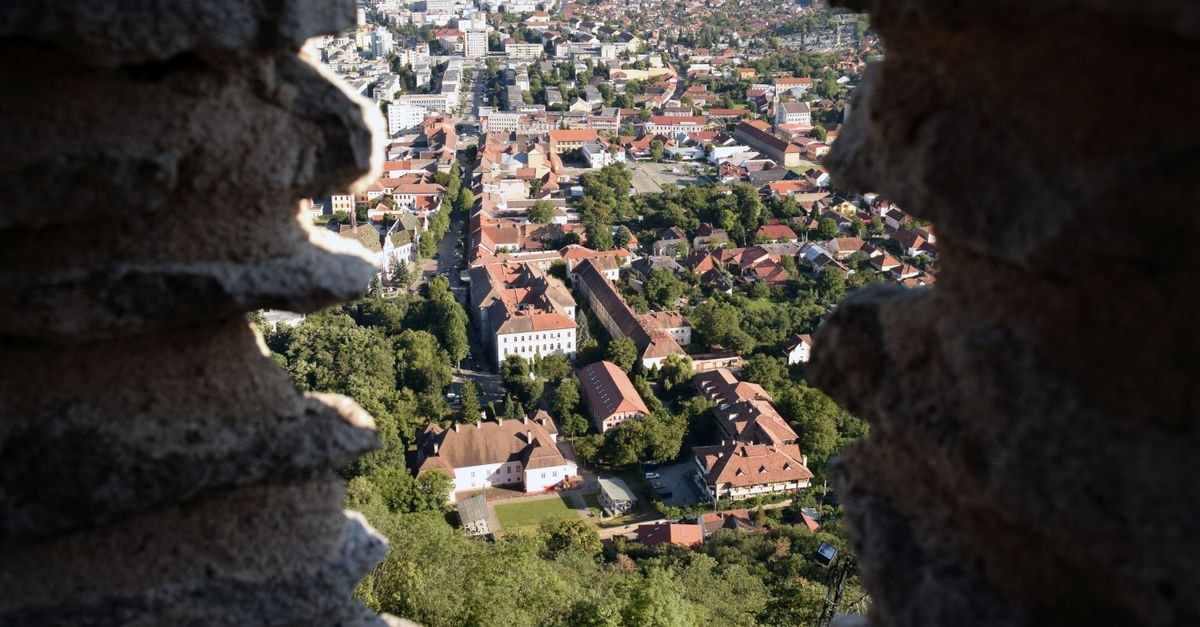
Zalău sits nestled at the foot of the scenic Meseș Mountains, and this single detail does a lot of the work in setting expectations. The surrounding terrain means that even a short walk from the center can open up to hillside paths, leafy parks, and viewpoints that overlook the city and the wider Sălaj countryside. It also means that the urban layout feels compact, with the mountains acting as a constant visual companion rather than a remote destination.
The city's location in northwestern Romania places it within reach of broader regional travel, though the city itself rewards slow exploration. Travelers who like to read a place through its geography will appreciate how the natural frame of the Meseș range gives Zalău a sense of being sheltered without feeling enclosed.
Weather and seasonal context
Zalău enjoys a pleasant four-season continental climate with gentle western influences, a balance that comes through in both summer and winter visits. The continental base brings clear seasonal contrasts, while the western influence softens extremes and adds a touch of moisture that keeps the surrounding hills green. Travelers can typically expect warm summers and cold winters, with shoulder seasons offering some of the most comfortable walking weather.
According to long-term climate context for the city, summer months tend to bring comfortable temperatures and drier conditions, which many travelers find appealing. That said, weather patterns can shift from year to year, and visitors should treat any seasonal impression as a general guide rather than a guarantee. Because this is an evergreen guide, it is worth thinking in terms of the rhythm of the year rather than the specifics of any single month.
For practical planning, the climate pattern suggests a few sensible habits. In the warmer half of the year, light layers for cooler mornings and evenings make sense, along with sun protection for midday walks. In the colder half, a proper winter coat and sturdy footwear turn icy sidewalks into a minor inconvenience rather than a problem. The gentlest weather often falls in spring and early autumn, when the continental pattern eases and the hillsides are at their most photogenic.
Attractions and planning
Zalău's attractions reflect its role as a regional capital rather than a major tourist hub, which is part of the appeal. The Reformed Church of Zalău stands out as a frequently highlighted landmark, both for its architectural presence and for what it represents about the city's layered religious history. Visitors with an interest in ecclesiastical architecture, regional history, or simply atmospheric old-town photography will find it a worthwhile stop.
Beyond the church, the broader attractions pattern is best approached as a series of small discoveries rather than a checklist of headline sights. Walking the older streets near the center, pausing in central squares, and paying attention to the way the Meseș Mountains frame the city all contribute to a sense of place. Travelers who enjoy urban photography will find plenty of material, particularly in the late afternoon when the light catches the hills behind the rooftops.
Planning a visit is straightforward. The city is compact enough that a few days allow time to settle into the rhythm of local life, with mornings spent exploring the center and afternoons stretching into the surrounding hills. Travelers who want to combine urban wandering with light hiking will find the geography of Zalău especially convenient, since the transition from city streets to mountain trails happens quickly.
How to approach the visit
A good Zalău trip tends to be measured in unhurried days rather than packed itineraries. Start with a slow walk through the central area, pausing at the Reformed Church of Zalău and taking in the way the city meets the Meseș foothills. Save part of one day for the natural setting itself, whether that means a short hike, a scenic drive toward the mountains, or simply finding a high vantage point with a view back over the rooftops.
Because Zalău is a regional capital, it offers the practical services travelers expect, including accommodation, dining, and transport links to the rest of Sălaj County and northwestern Romania. The atmosphere, however, remains that of a city sized for daily life rather than mass tourism, which means visitors can engage with locals, browse small shops, and experience a version of Romania that feels distinctly regional.
Travelers coming from larger Romanian cities such as Cluj-Napoca will find Zalău a manageable addition to a broader northwestern itinerary, while those arriving directly will find a destination that introduces itself without fanfare.
Practical notes before you go
A few durable points help set expectations. The climate pattern is continental with mild western moderation, so packing should account for both warm and cool conditions depending on the time of year. The city's geography at the foot of the Meseș Mountains means that comfortable walking shoes are almost always a good idea. And because Zalău is a working regional capital rather than a packaged tourist stop, a small amount of flexibility goes a long way toward enjoying the experience.
Factual conditions can change over time, and details such as opening hours, transport schedules, and local services should always be confirmed through official channels before departure. Treating the guide as a starting point rather than a final word will help any visit go smoothly.
Verification note
This guide is built on durable city-level information about Zalău, including its role as the capital of Sălaj County, its setting at the foot of the Meseș Mountains, and the broader climate pattern that shapes visits throughout the year. Travelers should verify current details directly with official sources before relying on them for booking or scheduling decisions.
Share this article
TOOLS FOR THIS PLAN
Make the Zalău plan measurable
Choose a tool only when it answers the next question in your trip. Your values stay in the browser, and each tool offers a route back to this planning context.