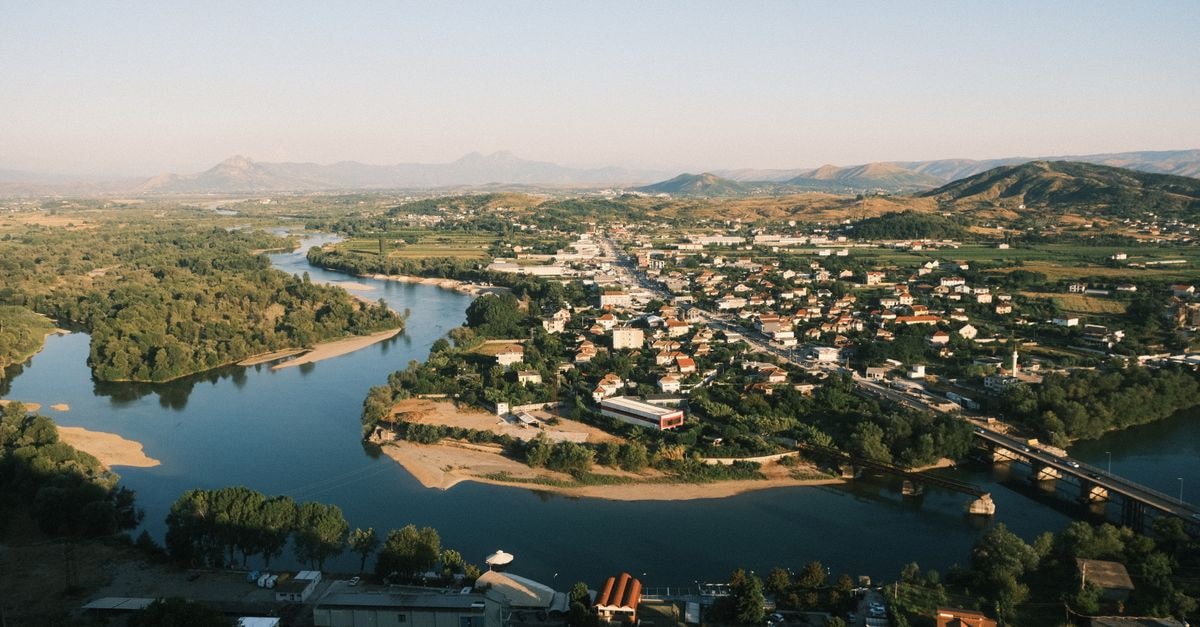
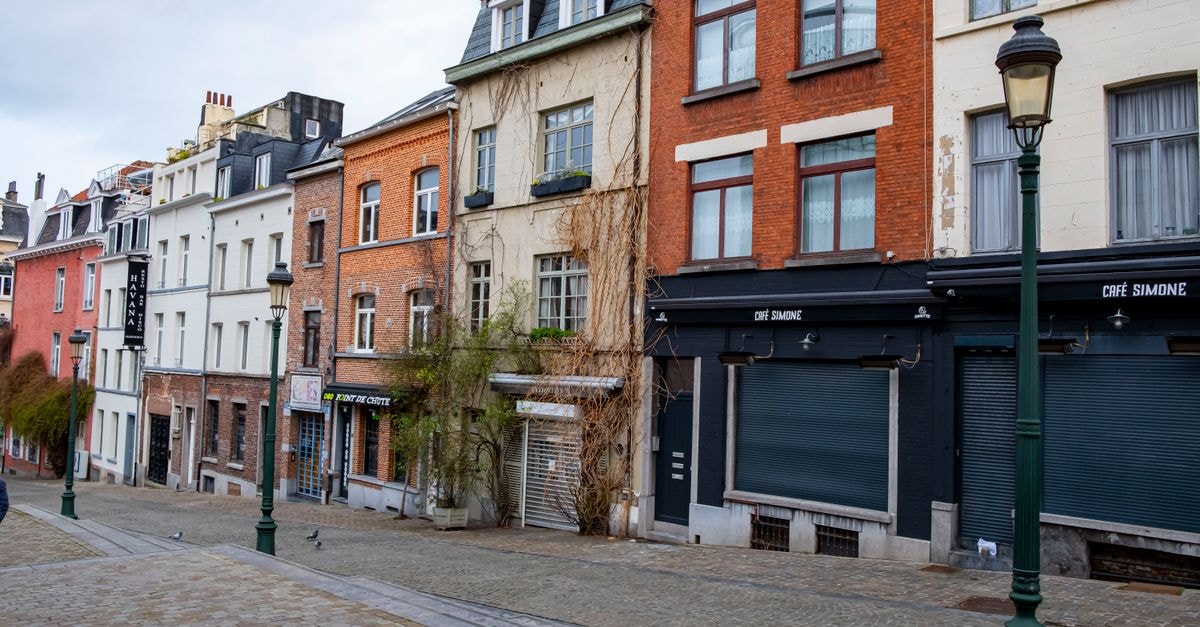
Setting the scene in Zaragoza

There is something quietly cinematic about Zaragoza. It is a city where Roman foundations sit beneath Mudéjar towers and where the Ebro traces a wide, unhurried arc through the center. For travelers who prefer depth over checklist energy, Zaragoza offers the kind of pace where a morning coffee stretches into a long lunch and a long lunch bleeds into a slow evening walk. The city reads as a meeting point: mountains to the north, the broad Aragón plains around it, and a culinary identity shaped by both.
This guide keeps things simple. It focuses on what the approved evidence actually supports: how to move around the city, one budget-friendly cultural stop, and the food culture that locals take seriously. No padded itineraries, no invented restaurant rankings, and no promises that go beyond what the sources confirm.
Getting around Zaragoza
Zaragoza is the kind of city where a visitor benefits from understanding the transport picture before arrival, since the way you move shapes how the city reveals itself. A practical public transport overview, covering the tram, city bus network, and the Z40 orbital route, is a useful starting point for anyone learning how to visit Zaragoza effectively. These options help you connect the historic center with outlying neighborhoods without overthinking each crossing.
If you are flying in through Zaragoza Airport (ZAZ) and plan to explore beyond the central districts during your stay, renting a car at the airport can be a more economical choice than arranging separate ground transfers. This is especially relevant for travelers who want flexibility around the city’s edges or who arrive with luggage and prefer to set their own pace rather than rely on timetables.
For most city-center days, layering your choices works well: tram for the main north-south spine, buses for filling gaps, and your own two feet for the lanes between landmarks. Treat the public transport overview as a reference document rather than a memorized route sheet, and you will find the city easier to read on the move.
Attractions and planning
Zaragoza’s cultural offer is layered, and it rewards visitors who slow down rather than rush. For travelers who want a single anchor that frames the rest of the city, the Zaragoza Museum is a strong place to begin. It functions as a general overview of Zaragoza’s history and the wider network of museums the city maintains, which is helpful if you only have time to visit one cultural institution and want context for everything you see outside.
One practical advantage is worth flagging clearly: the Zaragoza Museum is completely free to visit. That makes it one of the best value-for-money things to do in Zaragoza, especially for independent travelers, families, or anyone visiting on a tighter budget. A free entry point of this depth also removes a small psychological barrier, so you can step in briefly for orientation and return later if the collection pulls you back.
Because the museum offers the broader historical frame, it pairs naturally with more specific visits to the city’s monuments, riverfront spaces, and smaller museums. Treat it as a quiet first chapter rather than the whole story.
Food and local context
Food is where Zaragoza becomes genuinely expressive. Zaragoza food culture often reads as a quiet contradiction: the slow-cooked earthiness of mountain stews competing with the bright acidity of vegetables pulled from the dry plains that same morning. That contrast is not a marketing line; it shows up on tables across the city, where heavier meat dishes sit alongside lighter vegetable-led plates and the seasons quietly rearrange the menu.
Among traditional dishes, Ternasco Asado (Roast Young Lamb) is a defining specialty of Zaragoza’s culinary heritage. The lambs raised in the surrounding region eat thyme and rosemary growing wild in the Moncayo foothills, and that aromatic diet shows up in the finished dish. The roast arrives with skin so crispy it shatters like burnt sugar, while the meat underneath stays tender and fragrant. It is one of those plates that explains a region on its own.
When exploring traditional dishes and regional wines, Bodega de La Alfraga is a venue that comes up as a must-visit for anyone interested in Zaragoza’s food identity and local wine culture. Zaragoza itself reads as a city steeped in history and culture, and its culinary landscape speaks directly to that regional heritage, so food here is rarely just fuel. It is a way of understanding place.
Wider Spain context that visitors may encounter while eating in Zaragoza includes the national habit of long, unhurried meals, the expectation of regional wines on most lists, and the way menus tend to lean on what is currently in season. None of this is unique to Zaragoza, but the city wears it comfortably, and it is part of the everyday rhythm you will notice across lunch counters and dinner tables.
A note on practical verification: travel conditions change. Public transport routes, museum opening hours, and restaurant availability shift over time, so before you set out it is worth checking official channels for the latest schedules, entry details, and reservation guidance. This guide is built to be a calm starting point, not a substitute for current local information.
Share this article
TOOLS FOR THIS PLAN
Make the Zaragoza plan measurable
Choose a tool only when it answers the next question in your trip. Your values stay in the browser, and each tool offers a route back to this planning context.