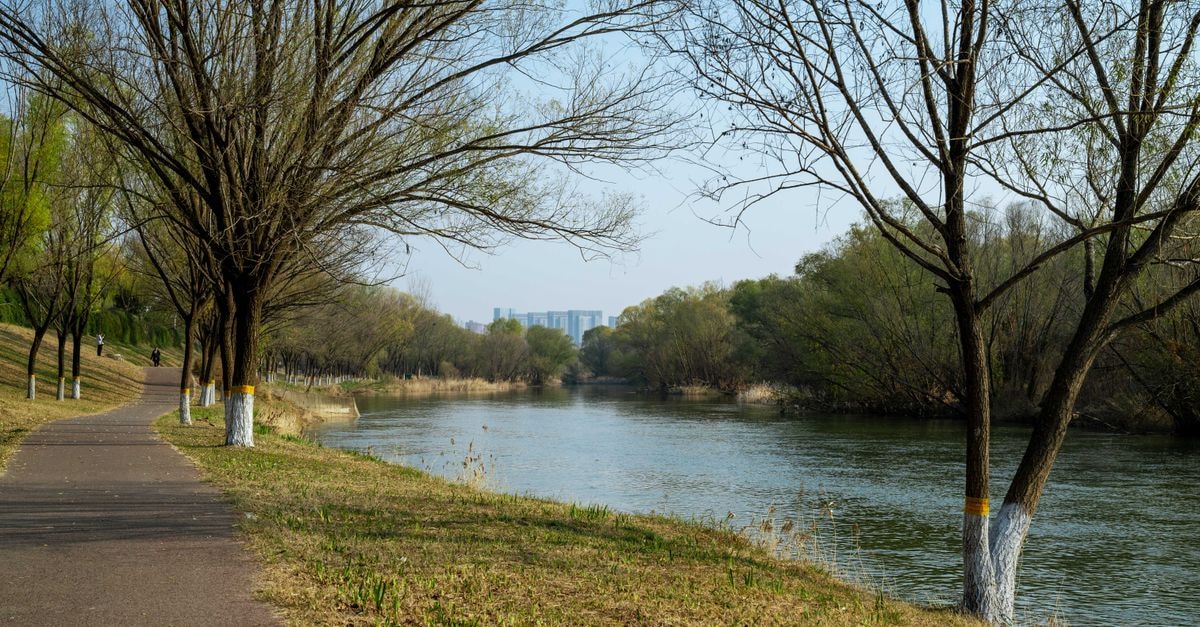
A river town that invites you to slow down

Zhenjiang sits along a wide bend of the Yangtze, and that single fact shapes the whole mood of a visit. The river gives the city its light, its breeze, and its long, unhurried pace. A day here tends to unfold gently: a climb up a hilltop pagoda for a sweeping view of the water, followed by a relaxed lunch where one dish quietly steals the show. If you like travel that feels like a deep breath rather than a checklist, Zhenjiang rewards that mindset.
What follows is a short, grounded guide built around two things the approved sources confirm clearly: how to move through the city for a key sight, and the eating culture a visitor is likely to encounter.
Getting around
Zhenjiang rewards the kind of traveler who pairs a single big plan with a slow afternoon. For the classic Yangtze overlook, the most straightforward approach is to head toward Jinshan, where the historic pagoda (Cishou Ta) rises above the river. The approved source notes that bus 104 reaches the area directly, which makes a pagoda-and-river morning easy to arrange without a taxi or a guided tour. From the top, the Yangtze stretches out in both directions, with cargo vessels sliding past and the opposite bank fading into a soft haze. It is the kind of view that earns a few minutes of quiet standing around.
Public transport is a sensible choice for that one big outing, and on foot is a sensible choice for the rest of the day. The hills around Jinshan can be steep in places, so comfortable shoes and water are worth packing even if the walk itself is short. Local buses are the most clearly supported way to link the riverside highlight to the next part of your day, and they keep the logistics simple.
Where to eat and what to order
The black vinegar dip is the detail worth paying attention to. Zhenjiang vinegar is one of the most recognizable flavors in eastern Chinese cooking, and locals tend to use it with a relaxed confidence: a small dish, a quick dip, and the dish in front of you is suddenly sharper, sweeter, and more aromatic. If you want to taste Zhenjiang rather than just visit it, that single habit is the one to pick up.
According to the cited local source, yaorou is the cold pressed-pork dish Zhenjiang is famous for, and it is traditionally eaten dipped in fragrant Zhenjiang black vinegar; the same note describes it as the head of the so-called "three wonders" of Zhenjiang food. That pairing is the clearest local flavor ritual the approved sources describe.
Food culture you may notice across China
Eating in Zhenjiang is also a small window into wider Chinese food culture. China is known for the depth and variety of its regional cuisines, and meals are treated as a genuine social moment rather than a quick refuel. That wider culture shows up in small things around you: dishes arriving in a deliberate order, shared plates meant for the table rather than the individual, and a pace that assumes conversation.
Dining etiquette in China has also developed a long and considered tradition. Visitors often notice the easy rhythm of shared dishes, the way tea is poured for companions before oneself, and the relaxed use of chopsticks. None of this needs to be studied in advance. Showing up with a willingness to follow the table's lead is usually enough, and the small gestures are part of what makes a meal here feel generous rather than formal.
A simple way to shape the day
The most natural way to use this guide is to keep the plan light. Start with the bus 104 ride out to the riverfront, take the pagoda climb slowly, and then wander back down toward lunch. From there, a long, shared lunch with vinegar on the side and a cup of tea give the day its shape. The river remains the thread that ties it together.
Travelers who try to pack too much into Zhenjiang often miss what makes it special. A short walk, a wide view, and a long lunch do more than a packed schedule, and they leave you with a clearer memory of what the city actually feels like.
A few practical notes before you go
Above all, give the day some room. Zhenjiang is a city that rewards travelers who let the river set the pace.
Prices, opening hours, schedules, reservation rules, and local conditions can change; verify them through official channels before departure.
Share this article
TOOLS FOR THIS PLAN
Make the Zhenjiang plan measurable
Choose a tool only when it answers the next question in your trip. Your values stay in the browser, and each tool offers a route back to this planning context.