Cybercab rollout in Austin

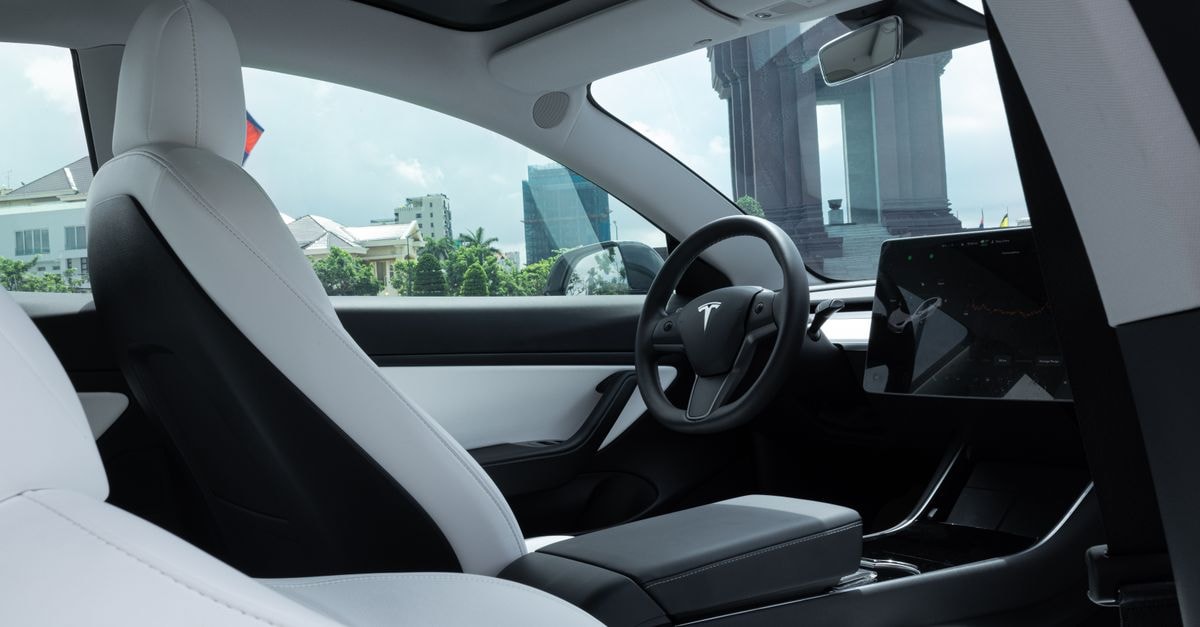
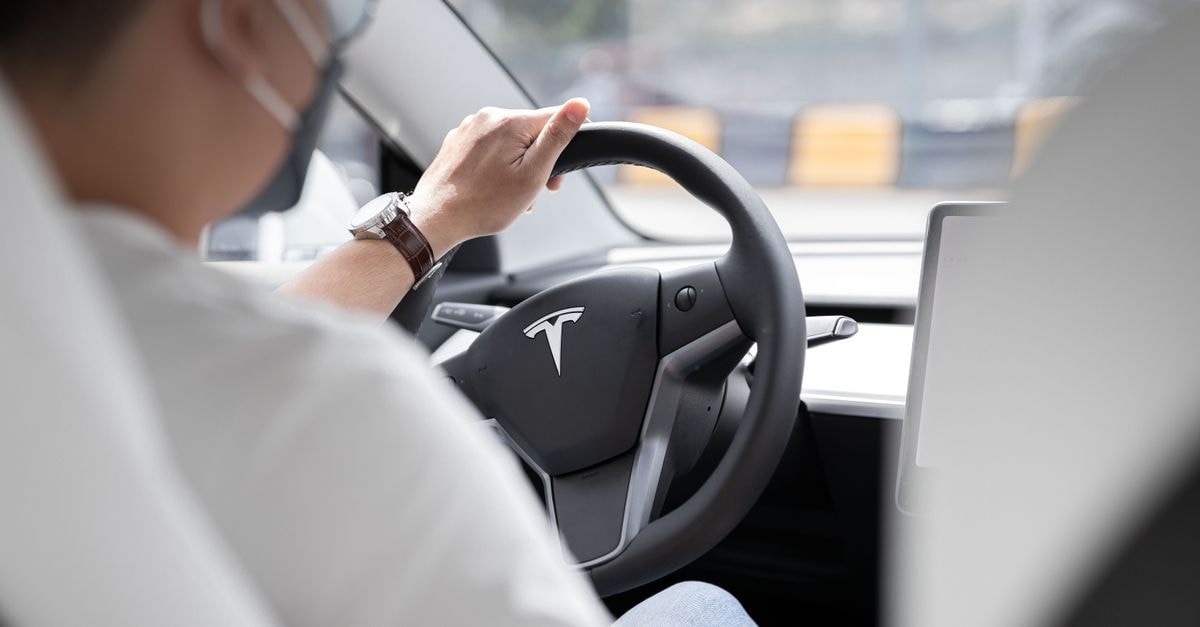
Tesla opened public rides in its two-seat Cybercab on September 4 at an invite-only event in downtown Austin, where Vice President of AI Ashok Elluswamy presented the company's autonomous ride-hailing vision. Members of the public can now request the vehicle directly through Tesla's Robotaxi app inside a designated Austin geofence, and Tesla moved the public booking window to 2:00 p.m. Central Time to handle demand. The Cybercab has no steering wheel or brake pedals; it uses motorized butterfly doors that open automatically as a passenger approaches with a smartphone. Inside, riders step into an open cabin with a large central touchscreen, USB-C ports, dual-zone climate controls and an emergency stop button near the dome lights that alerts Tesla Robotaxi Support.
Fleet size and operating footprint
Texas Department of Motor Vehicles records list 45 Cybercabs registered to Tesla's Texas fleet, out of several hundred total autonomous vehicles in the operating pool. Tesla previously relied solely on modified Model Y SUVs to power its driverless Robotaxi service in limited areas of Texas and Florida. The Cybercab has not been made available for consumer purchase.
NHTSA opens audit inquiry
Hours after the launch, the National Highway Traffic Safety Administration opened an audit inquiry into Tesla's Cybercab certification. Administrator Jonathan Morrison said the agency "fully supports the safe development and deployment of automated vehicles" but must "ensure that all of our laws are followed," and NHTSA stressed that it has not ordered a halt to Cybercab deployments or made any finding about safety or compliance. The agency will review Tesla's technical data and the processes behind its self-certification, focusing on whether Tesla was correct in determining that certain federal safety requirements — such as those for a steering wheel, pedals and side mirrors — do not apply to a fully automated vehicle. Tesla told NHTSA that the Cybercab complies with applicable federal safety standards.
Broader regulatory context
The Cybercab is not the first driverless vehicle to test the boundaries of federal rules: in July, NHTSA granted Amazon-owned Zoox a temporary exemption to deploy its own steering-wheel-free robotaxis commercially. Tesla's commercial deployment in Austin now places its self-certification approach under similar federal scrutiny.
Other developments
Separately, Tesla shares fell about 6.4% intraday on September 4 following the launch, and CNBC reported that a Cybercab update "underwhelmed" Wall Street. The stock move coincided with the NHTSA announcement but the evidence ledger does not establish a causal link between the two.
PLACES IN THIS STORY
Explore the destinations behind this report
United States
Austin
Browse travel guides, places to stay, attractions and local food in Austin.
Explore Austin →Austin Travel Guide: Planning Tips, Costs and Things to DoShare this article