Core Scientific partnership secures up to 2.5 gigawatts of AI data center capacity

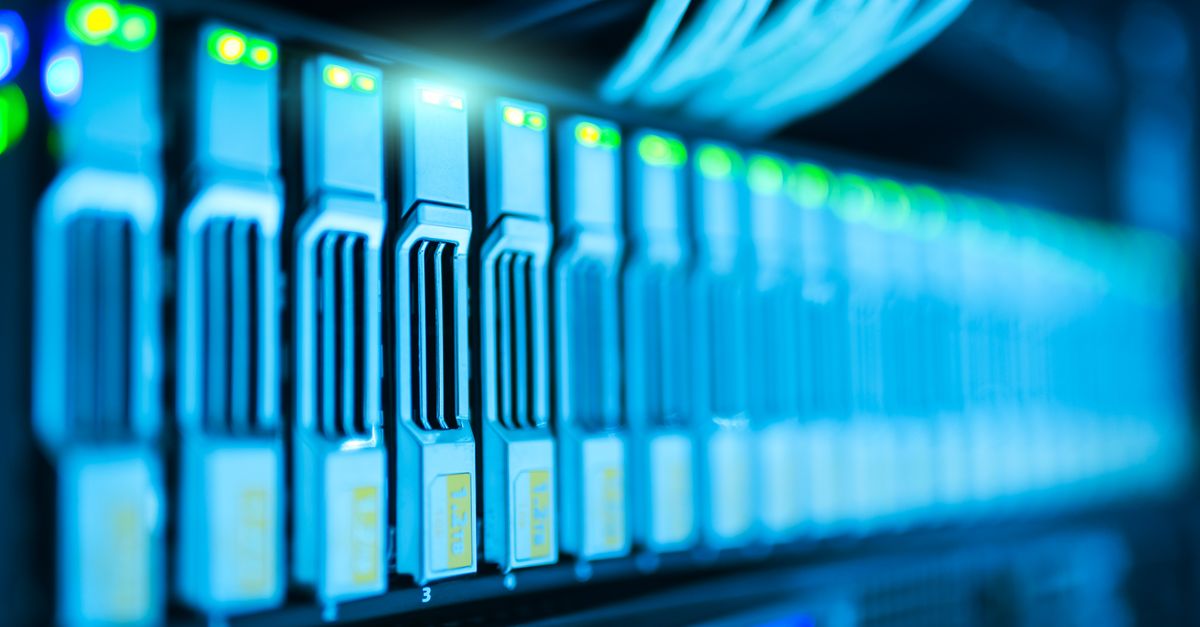
AMD signed a 15-year agreement with Core Scientific announced on July 28, 2026, giving the chipmaker access to 529 megawatts of AI-ready data center capacity in the United States starting in 2027, with an option to expand to as much as 2.5 gigawatts through additional reservations of up to 1,925 MW through December 2028. The sites span Pecos and Hunt County in Texas, Muskogee in Oklahoma, Auburn in Alabama and Dalton in Georgia. Under the deal, AMD received warrants to purchase up to 30 million Core Scientific shares at $23.47 per share, with about 6.5 million shares vesting when the initial leases were signed and further shares vesting as additional capacity comes online. Financial terms were not disclosed. Core Scientific said the contracts could generate more than $14 billion in base contracted revenue and lift its total leased capacity to roughly 1.1 gigawatts, representing more than $24 billion in potential contracted revenue.
The agreement accelerates Core Scientific's pivot from bitcoin mining toward AI and high-performance computing. Colocation generated $136.7 million, or 83% of the company's $164.2 million in second-quarter revenue, while self-mining revenue fell 66% to $21.5 million. Core Scientific also terminated an agreement to buy bitcoin-mining chips from Block, recording a $41.9 million charge. Nine months after its shareholders voted down a roughly $9 billion takeover by CoreWeave, Core Scientific has secured a partnership that the data center operator values more highly on its own. Core Scientific shares jumped between 6% and 10% in premarket trading on the news, while AMD's stock fell 4% to 5%, tracking a broader sell-off in chip stocks.
New silicon and software stack unveiled at Advancing AI
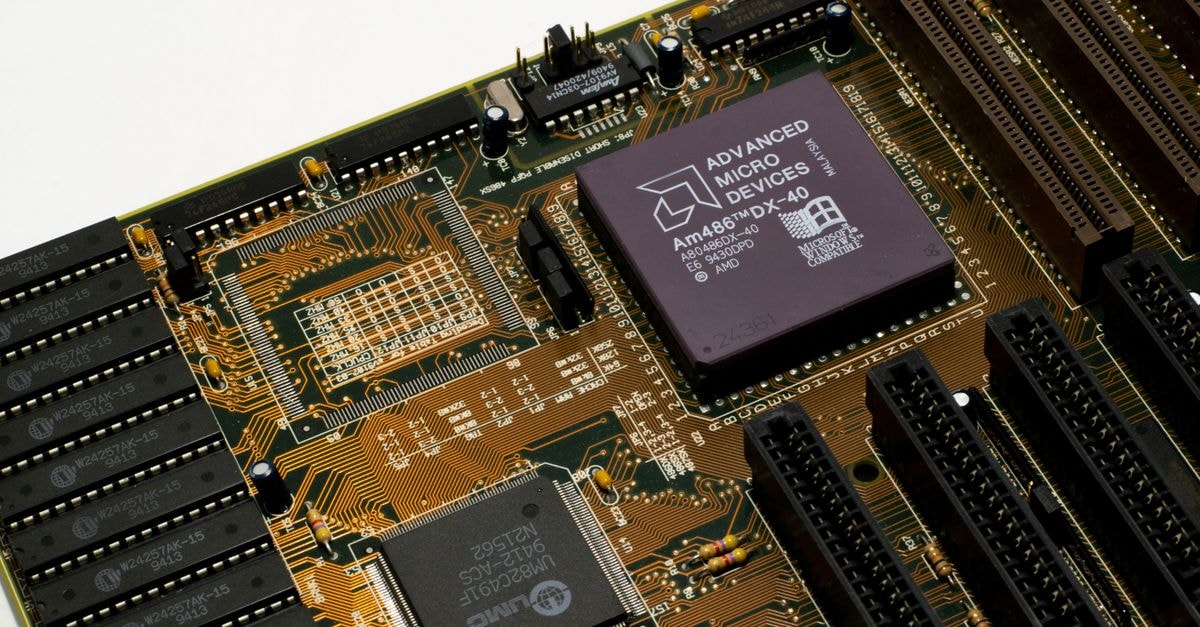
AMD used its Advancing AI event on July 28, 2026 to launch the sixth-generation EPYC 9006 Series processors, the Instinct MI400 GPU family, the ROCm.ai software platform and the Helios rack-scale architecture. The EPYC range includes the 9006 SP7, 9006 SP8, 9006X SP7 and 9006 LP variants, configured for enterprise, high-performance computing and AI workloads. The Instinct MI400 line splits between the MI455X for hyperscale AI factories and the MI430X for sovereign AI and scientific computing.
ROCm.ai bundles a new command-line interface, AI-assisted developer tools and Hyperloom, an open-source inference optimisation system, with AMD claiming up to 3.3 times faster inference and 2.4 times faster training than ROCm 7 on the same hardware. Helios integrates EPYC processors, Instinct MI455X GPUs, Pensando networking and ROCm software into a rack-scale platform that AMD says delivers 50% more high-bandwidth memory capacity and up to 30% more tokens per dollar than competing systems. The company also unveiled the Ryzen AI Embedded X100 Series system-on-chip for robotics, manufacturing and healthcare, alongside Kria AI Solutions for autonomous system deployment, and launched a Robotics Partner Network linking hardware vendors, software developers, sensor companies and system integrators. AMD expanded its collaboration with AT&T and Microsoft through OTel 2.0, an open-source AI model for telecommunications networks.
India engineering build-out targets sovereign AI demand
AMD plans to add 4,500 employees in India by 2028 as it expands research, development and engineering teams and pursues sovereign AI opportunities through local partnerships, the company said on July 28, 2026. The hiring push forms part of AMD's broader effort to scale engineering capacity outside its U.S. base as it competes for share of a rapidly expanding AI infrastructure market.
Competitive positioning and engineering velocity
At Advancing AI, chief executive Lisa Su claimed outright leadership for AMD across CPUs, GPUs, rack-scale performance, memory capacity, network bandwidth and tokens per dollar, making direct comparisons against Nvidia. An analysis from SemiAnalysis cited at the event reported that AMD delivered as much as an 18-times improvement in Kimi K2.5 interactivity in less than 30 days through software changes around AITER and vLLM. Coverage framed AMD's strategy as shifting from raw silicon performance toward what it called engineering velocity, combining software development, access to hardware, automated testing, validation and customer feedback into a continuously learning system.
AMD's partner ecosystem is also widening. Meta is working with AMD on networking, scale-up, scale-out and broader system co-design within a framework that targets up to six gigawatts. Under the Core Scientific deal, 152 MW of the new capacity will go to neocloud operators rather than to AMD directly, and the chipmaker has agreed to provide credit support should one of those tenants default, a backstop that mirrors the equity-for-capacity structure Nvidia used when it took a $2.1 billion warrant in IREN.
Share this article