Nvidia and SK Group formalize $500 billion AI infrastructure partnership

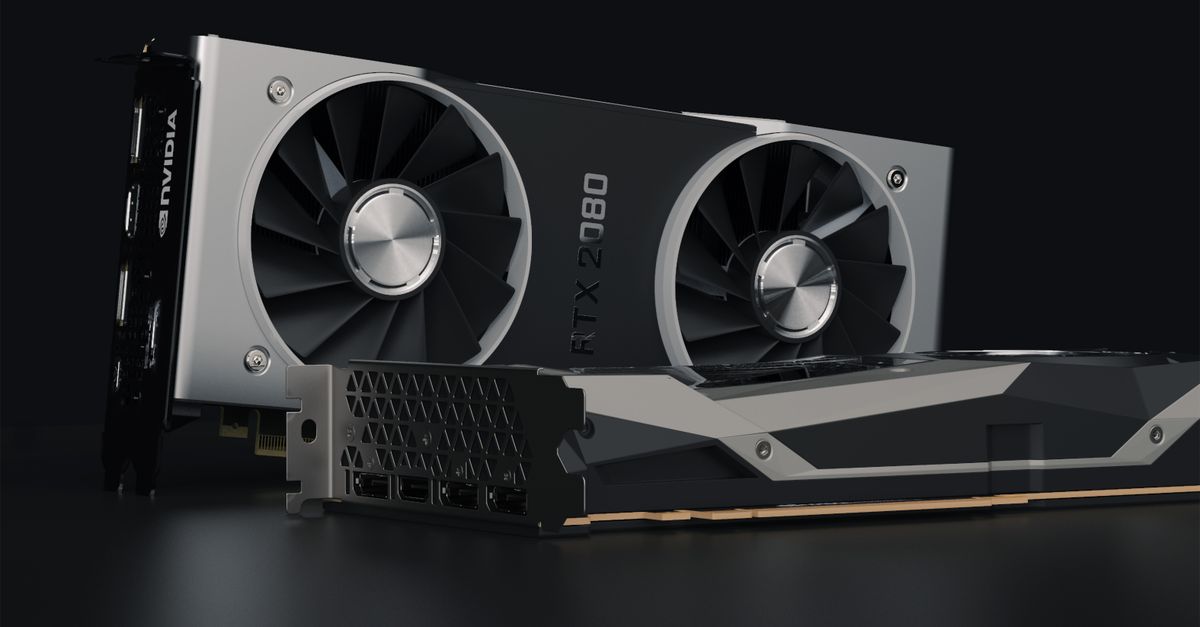
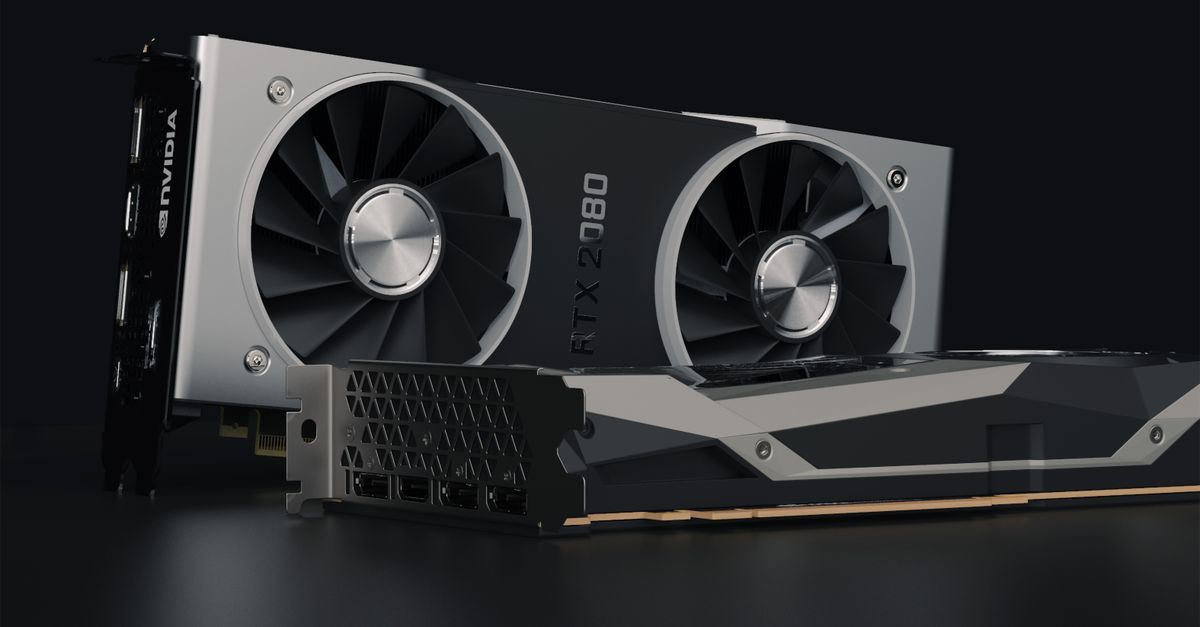
Nvidia and SK Group signed letters of intent this week to formalize a strategic relationship valued at more than $500 billion, encompassing AI infrastructure construction and a long-term memory supply agreement between Nvidia and SK hynix originally unveiled in June. The half-trillion-dollar figure represents the aggregate value of expected commercial activity over several years, bundling AI infrastructure buildouts with the multi-year memory supply deal under a single umbrella, including SK Telecom's purchases of Nvidia GPUs, networking and systems, supplies of SK hynix memory, and revenue for Nvidia's ecosystem partners involved in building the DSX AI factories.
SK Telecom plans 2-gigawatt AI data center in South Korea
A central element of the partnership is SK Telecom's planned 2-gigawatt AI data center in South Korea, set to enter service in 2027. The facility will rely on Nvidia's DSX AI factory platform and deploy Vera Rubin accelerated computing systems equipped with SK hynix HBM4 memory. The companies said the infrastructure will support sovereign AI, enterprise AI, physical AI, and agentic AI deployments across South Korea and the broader Asia-Pacific region, with future expansion plans beyond the initial 2-gigawatt deployment also under discussion.
AMD pitches Helios as a rack-scale alternative to component sales
At its AMD Advancing AI event, the chipmaker framed its Helios platform as a unified rack-scale offering combining data center GPUs, CPUs, networking, and open-source software. Andrew Dieckmann, corporate vice president and general manager of AMD's data center GPU business, said the company has "transformed into a systems company" in order to deliver the rack-scale infrastructure that Helios requires. AMD's acquisitions, including ZT Systems, have accelerated the buildout by compressing years of ecosystem development, Dieckmann told theCUBE's Dave Vellante and Bob O'Donnell during an exclusive broadcast on theCUBE, SiliconANGLE Media's livestreaming studio.
Memory capacity and Cerebras partnership widen AMD's reach
AMD is positioning memory capacity as a key differentiator for its data center GPUs, arguing that extra high-bandwidth memory lets customers spread models across fewer accelerators in memory-limited workloads. The company is also extending its reach through a new data center partnership with Cerebras Systems, combining low-latency inference with Helios throughput to expand the addressable inferencing market. Dieckmann said AMD favors deep collaboration with a handful of frontier model builders over broad simultaneous engagements, building modularity into chiplet designs, rack architecture and open-source software so it can incorporate customer feedback despite compressed development cycles.
Industry shifts toward integrated rack-scale systems
Both developments reflect a broader shift in the data center GPU market beyond individual chip specifications toward fully integrated rack-scale systems. As AI workloads scale into the gigawatt range, buyers increasingly demand validated infrastructure that can be deployed quickly rather than components assembled piecemeal, a transition both AMD and Nvidia are pursuing through different architectural approaches.
Share this article