Catch up on the essentials
- Korean Air signed a definitive contract on September 16, 2026, in Seoul to acquire 103 Boeing aircraft valued at $36.2 billion at list prices.
- Hanjin Group Chairman Cho Won-tae described the package as a "milestone of trust" in the Korea–U.S. economic and technological alliance, while Boeing said the deal was the result of bilateral trade discussions between the two governments.
- Korean Air said the investment would expand its widebody fleet by 46% and nearly double its narrowbody fleet, supporting long-term growth following the carrier's integration with Asiana Airlines.
Selected from this article · 2026-09-16
Read on for the full pictureOrder composition and valuation

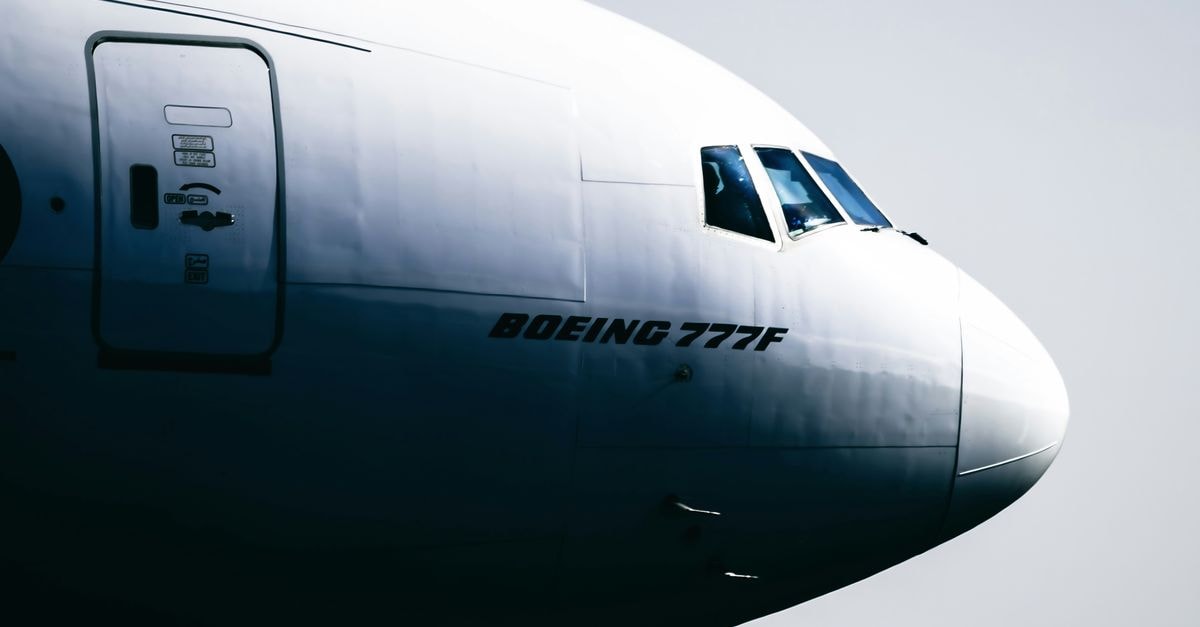
Korean Air signed a definitive contract on September 16, 2026, in Seoul to acquire 103 Boeing aircraft valued at $36.2 billion at list prices. The package comprises 20 777-9 widebody passenger jets, 25 787-10 Dreamliners, 50 737 MAX 10 narrowbodies and eight 777-8F freighters. Of the jets included, only the 787-10 is currently certified for commercial service; the 777-9 and 737 MAX 10 are slated for certification in early 2027, while the 777-8 Freighter remains in development. Aviation advisory firm IBA estimated the aircraft portion of the deal at roughly $12.6 billion after typical market discounts, well below headline list price.
Wider $44.8 billion U.S. investment package
The Boeing contract was signed alongside a separate $8.6 billion agreement with GE Aerospace and CFM International covering 21 spare engines and a 15-year engine maintenance agreement for 28 aircraft, bringing the combined Korean Air commitment to U.S. suppliers to about $44.8 billion. Hanjin Group Chairman Cho Won-tae described the package as a "milestone of trust" in the Korea–U.S. economic and technological alliance, while Boeing said the deal was the result of bilateral trade discussions between the two governments. The agreements convert into firm orders a memorandum of understanding first unveiled during South Korean President Lee Jae-myung's visit to Washington in August 2025.
Strategic rationale and fleet impact
Korean Air said the investment would expand its widebody fleet by 46% and nearly double its narrowbody fleet, supporting long-term growth following the carrier's integration with Asiana Airlines. Cho previously indicated that about 80% of the new aircraft would replace existing jets in the Korean Air fleet, with the remainder adding capacity. The airline framed the deal as preparation for joining the ranks of the world's 10 largest "mega carriers" once the merger completes, and as a hedge against persistent global aircraft delivery delays that have continued since the pandemic.
Boeing's positioning
Boeing characterized the order as its largest-ever widebody commitment from an Asian airline. The 777-9 commitment lifts Korean Air's total 777-9 order book to 40 airframes, while the 787-10s will add capacity on high-demand medium-haul Asian routes and the 777-8F freighters will expand Korean Air's long-haul cargo fleet at lower operating cost than its existing 777F and 747F jets.
Certification and delivery milestones
Korean Air's 777-9 and 737 MAX 10 fleets remain dependent on Boeing achieving certification, targeted for early 2027. The 777-8 Freighter program is still in development, placing the timeline for cargo deliveries further out. The Asiana Airlines merger, which underpins Korean Air's growth plan, is set to formally close in December 2026.
PLACES IN THIS STORY
Explore the destinations behind this report
South Korea
Seoul
Browse travel guides, places to stay, attractions and local food in Seoul.
Explore Seoul →Seoul Travel Guide: Palaces, Street Stages, and Serious FoodShare this article