Catch up on the essentials
- An Associated Press analysis published Sept. 12, 2026 examined why Canada, America's largest single export market, became the focus of President Donald Trump's trade offensive, and concluded that crude oil from Alberta sits at the center of the relationship.
- The AP account traced the deterioration in U.S.-Canada relations to the Aug. 21 collapse of trade talks.
- The AP analysis underscored how unusual it is for Canada to be cast as a trade predator.
Selected from this article · 2026-09-13
Read on for the full pictureOil dependence complicates Trump's Canada trade offensive

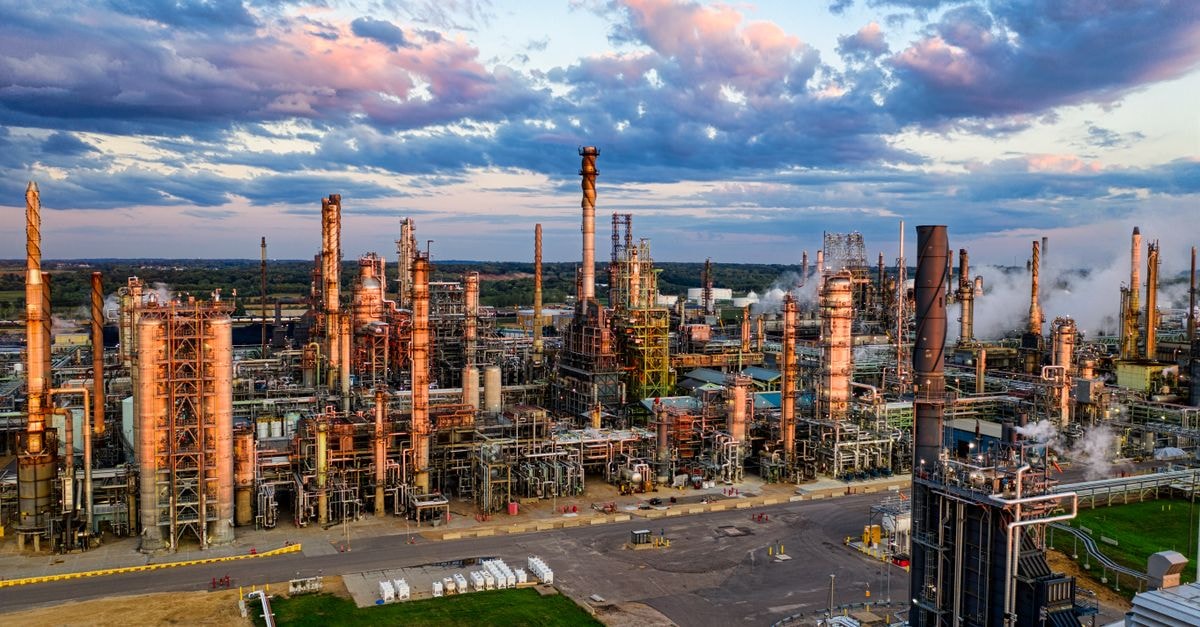
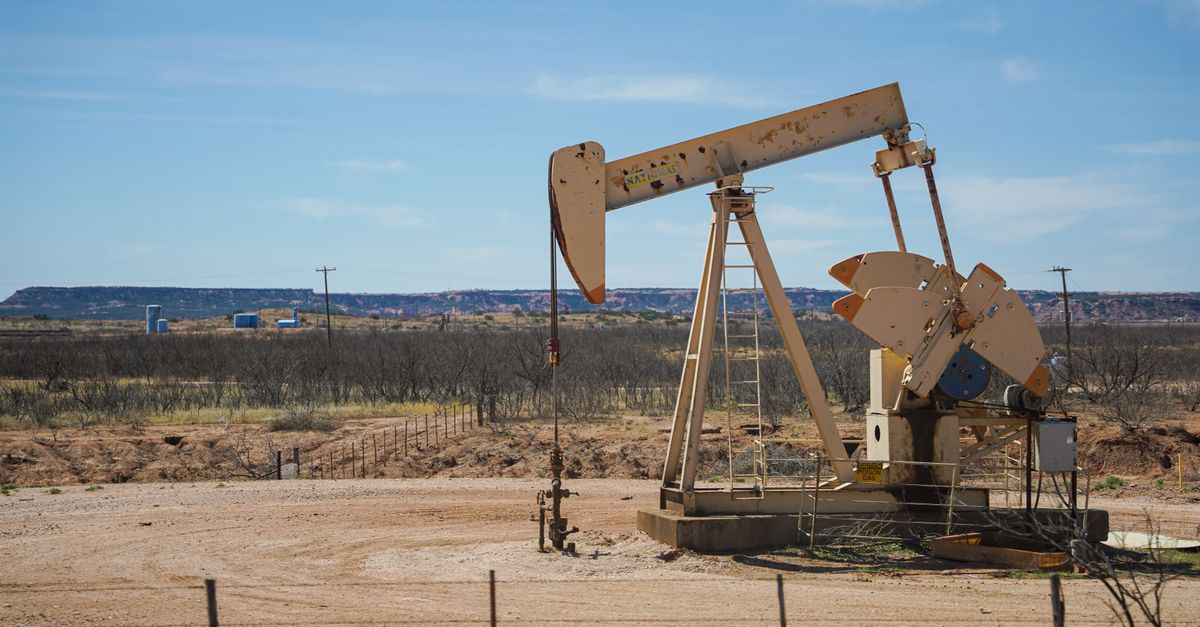
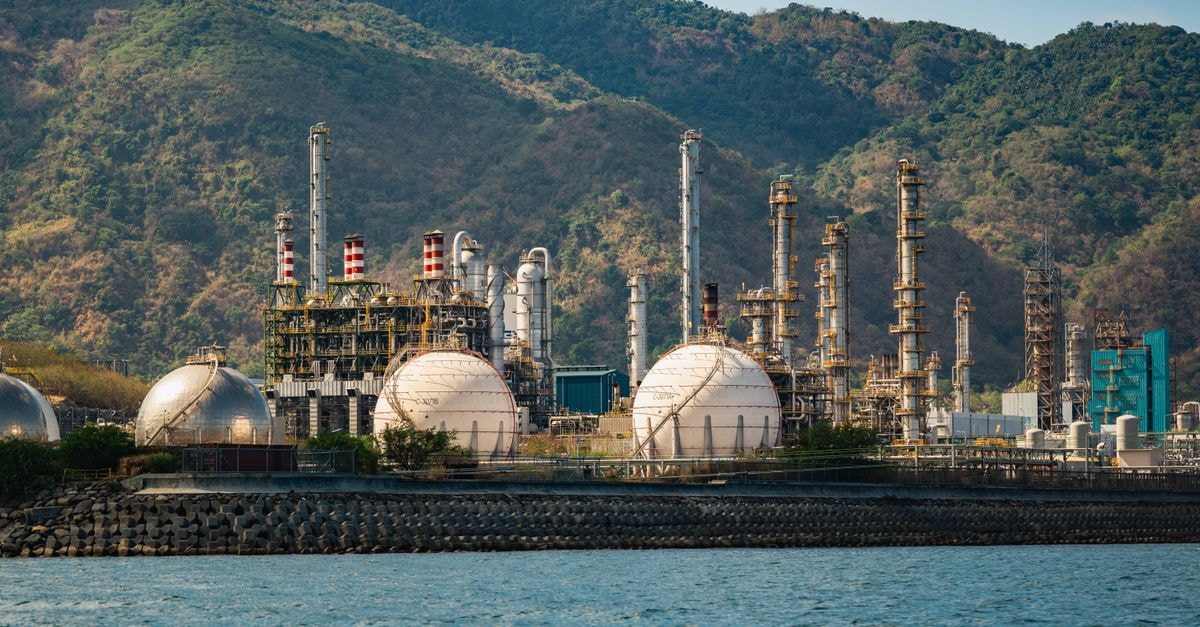
An Associated Press analysis published Sept. 12, 2026 examined why Canada, America's largest single export market, became the focus of President Donald Trump's trade offensive, and concluded that crude oil from Alberta sits at the center of the relationship. The United States ran a $27.3 billion trade deficit with Canada last year, a gap the report attributes largely to crude oil flows rather than to broader industrial competition. Canada exported more than $85 billion worth of crude oil to the United States in 2025, according to the AP analysis, and those volumes arrive at Midwest refineries engineered to process heavy sour crude from Alberta's oil sands rather than the lighter grades produced in Texas. The Canadian crude also sells at a discount to benchmark U.S. oil, a pricing structure that benefits U.S. refiners while widening the headline trade gap that Trump has cited as evidence of unfair practices.
Tariff escalation and retaliatory moves
The AP account traced the deterioration in U.S.-Canada relations to the Aug. 21 collapse of trade talks. Trump subsequently imposed 50% tariffs on $20 billion worth of Canadian products, targeting what he described as discrimination against U.S. autos, dairy and alcoholic beverages. When Ottawa retaliated with its own tariffs, Trump moved to ban imports of the dairy byproduct whey, most alcoholic beverages and motorcycles and mopeds from Canada, while removing items such as toilet paper, bedsheets and fishing rods from the target list. According to the AP report, the president also signed an executive order directing the federal government to change Lake Ontario's name to "Lake America" and floated pulling out of the United States-Mexico-Canada Agreement, the pact he negotiated during his first term that keeps most U.S. exports duty-free entering Canada.
Why economists call Canada an outlier target
The AP analysis underscored how unusual it is for Canada to be cast as a trade predator. Rankings from the Heritage Foundation placed Canada No. 14 on its Index of Economic Freedom, eight spots ahead of the United States, while the Fraser Institute's Economic Freedom of the World report ranked Canada No. 11 out of 165 jurisdictions. The World Bank measured Canada's trade at 64% of economic output versus 25% for the United States, and Oxford Economics calculated Canada's effective tariff rate on U.S. imports at roughly 2.4%, less than half the 5% the United States applied to Canada. Barry Appleton, co-director of New York Law School's Center for International Law, described Canada in the report as "a modestly protected economy with two or three genuinely closed sectors," with dairy and softwood lumber the most frequently cited protected industries.
Mutual exposure that complicates the fight
The AP report stressed that the oil link runs in both directions and constrains how far either side can push. Canada sends about 70% of its exports south to the United States, U.S. Midwest refineries are configured for Alberta heavy sour crude, U.S. farmers depend on Canadian potash fertilizer and communities along the northern U.S. border rely on Canadian-generated electricity. "It's the only oil they can use," Appleton told the AP. "They can't use Texas crude. They can't use Venezuelan crude. They're not set up for it. It would take years and billions of dollars to shift over." The structure leaves U.S. refineries exposed to supply disruption and Canada exposed to tariffs that target its single largest customer, a configuration the AP analysis identified as the reason Canada appears to be an unlikely trade-war target despite the volume of cross-border crude.
What remains to be resolved
The AP analysis did not project when or whether the tariff cycle would ease, and the report noted only that the Aug. 21 talks had broken down with each side blaming the other. The next verifiable milestone identified in the reporting is the implementation of the U.S. ban on the named Canadian product categories and any Canadian counter-response, along with the status of the USMCA as Trump publicly questioned whether to remain in the agreement he signed in 2018.
Share this article