What changed in mid-August

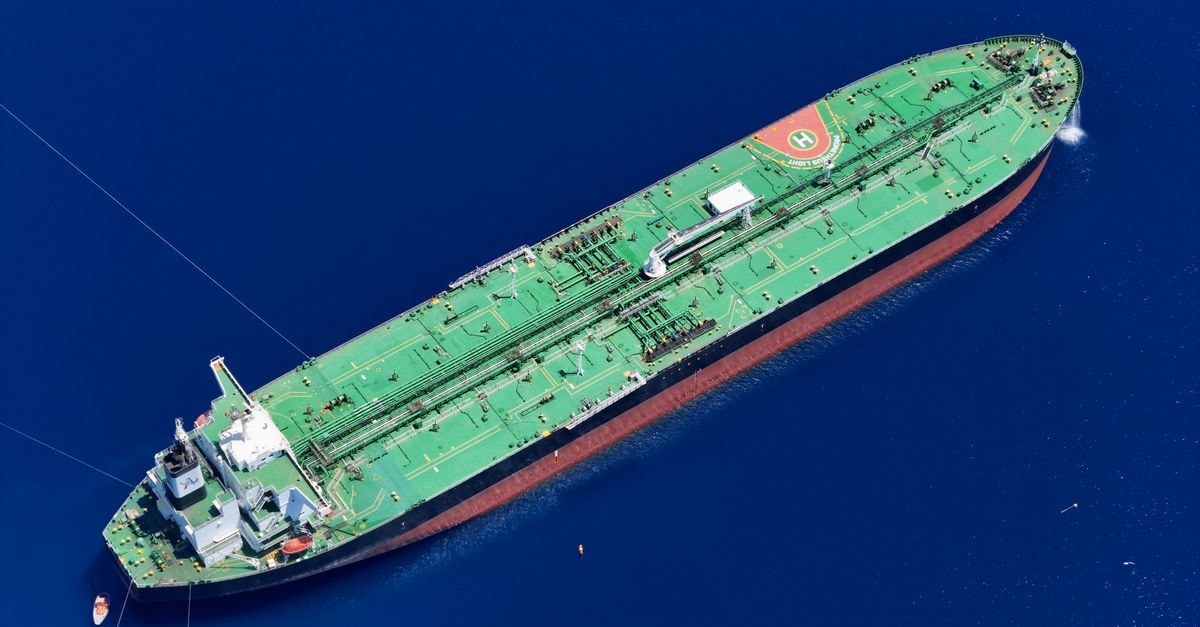
Saudi Aramco resumed crude oil loadings from inside the Strait of Hormuz last week after a roughly three-week pause, with three very large crude carriers lifting about 2 million barrels each from the Juaymah and Ras Tanura terminals between August 12 and 16. The restart followed earlier halts to sales after attacks on its tanker fleet during last month's escalation of the U.S.–Iran conflict, and provisional Kpler data indicated six more VLCCs could load Saudi oil from inside the strait later this month. On Monday, Aramco also offered some Asian refiners Arab Medium and Arab Heavy crude for loading via ship-to-ship transfers off Fujairah in the United Arab Emirates.
How the supply picture is being reshaped
Even with the resumption, Saudi exports from inside the strait are a fraction of prior capacity. Kpler data showed about 670,000 barrels per day of Middle Eastern crude are expected to load at Egypt's Mediterranean port of Sidi Kerir for Asia this month, up from zero in the previous three months, as Aramco diverts barrels around a Yemeni Houthi blockade in the Red Sea that has curbed Yanbu exports from a pre-blockade level of roughly 4 million barrels per day. Vortexa's China markets lead, Emma Li, said the Sidi Kerir offering to Asia appears to be underperforming because Chinese buyers are unhappy with the long voyages and high freight costs. The resumption could ease tight supply of heavier grades that yield more residue fuel for ship refueling or further refinery processing into gasoline and diesel.
Bypass routes expanding around the strait
Gulf producers and shippers are accelerating alternatives to Hormuz transit. Aramco has leaned on the East–West pipeline running across Saudi Arabia from the Persian Gulf to a Red Sea port, which carries up to 7 million barrels per day with about 5 million exported, and Saudi Arabia is considering an expansion that could deliver an additional 2 million barrels per day. The United Arab Emirates has begun construction on a new pipeline from its oil fields to the port of Fujairah on the Gulf of Oman, circumventing the strait. U.S. Energy Secretary Chris Wright said alternatives had helped replace much of the lost capacity, posting on X that the seven-day average for oil leaving the Strait of Hormuz has risen to almost 9 million barrels per day and that newly upgraded pipelines and export facilities are adding 5–7 million barrels per day, bringing total regional flows to roughly 15 million barrels per day.
Measured impact on shipping and fuel prices
Hormuz traffic has fallen sharply since the Iran war began, with Kpler reporting an average of about 13 ships crossing the strait each day last week, down from more than 100 ships per day before the conflict. Global oil prices stood at about $89 a barrel, up roughly 25% since late February, and the U.S. average retail gasoline price was $4.06 a gallon, well above the $2.98 pre-war average, according to AAA data. Analysts told ABC News the alternatives could eventually restore most of the lost oil flow and relieve pump prices, but construction would take several years and require major investment.
What remains uncertain
It was not immediately clear which crude grades the three VLCCs that loaded between August 12 and 16 were carrying, and Aramco and Sinokor, which owns the tankers, did not immediately respond to requests for comment. Seven VLCCs owned by Saudi-based operator Bahri were floating off the UAE and Oman with two more heading to Fujairah, and traders said Aramco could deploy Saudi tankers for Hormuz transit in addition to Sinokor vessels. Negotiations to resolve the underlying U.S.–Iran conflict showed little sign of a breakthrough, and the duration of the Red Sea blockade and the pace of pipeline expansions will determine how quickly supply normalizes.
Share this article