Catch up on the essentials
- The bank’s thesis places a potential combination with SpaceX at the center of its bullish case, arguing that a transaction could provide Tesla shareholders with a premium while reinforcing expectations for automotive growth, Robotaxi expansion and energy-storage demand.
- Levy said a potential combination could create upside beyond Tesla’s standalone operating performance and might discourage some short sellers ahead of an announcement.
- Barclays also cited Tesla’s Robotaxi and energy businesses as evidence that its investment thesis should not depend solely on merger hopes.
Selected from this article · 2026-10-27
Read on for the full pictureMerger optimism reset Tesla’s valuation debate
Tesla shares rose sharply on October 26 after Barclays analyst Dan Levy upgraded the electric-vehicle maker to Overweight from Equal Weight and lifted his 12-month price target to $450 from $370. The bank’s thesis places a potential combination with SpaceX at the center of its bullish case, arguing that a transaction could provide Tesla shareholders with a premium while reinforcing expectations for automotive growth, Robotaxi expansion and energy-storage demand. Tesla closed at $391.62, up 5.21%, according to the available market data.
The rally reflects the market’s response to the analyst revision, not completion of a transaction. Independent special committees at Tesla and SpaceX are examining a possible combination, but no terms have been agreed and a deal is not certain.
Barclays’ premium case has material conditions
Levy said a potential combination could create upside beyond Tesla’s standalone operating performance and might discourage some short sellers ahead of an announcement. Those effects would depend on the eventual structure, relative valuations, exchange ratio, financing and the terms approved by both companies.
Barclays regards an all-stock acquisition of Tesla by SpaceX as the most likely structure, according to reports summarizing the analyst note. At the bank’s $450 target, that structure would require roughly 3.1 SpaceX shares for each Tesla share. Approval would require support from holders of more than 50% of Tesla’s outstanding shares, rather than merely a majority of votes cast, creating a high approval hurdle.
The valuation case therefore combines an operating thesis with a conditional takeover premium. Tesla’s automotive business is expected by Barclays to grow in 2026 after two consecutive annual declines, with further growth anticipated in 2027. Full Self-Driving was installed on more than 75% of North American deliveries in the third quarter, while Shanghai exports represented approximately 25% to 30% of global volume.
Operating growth provides the supporting case
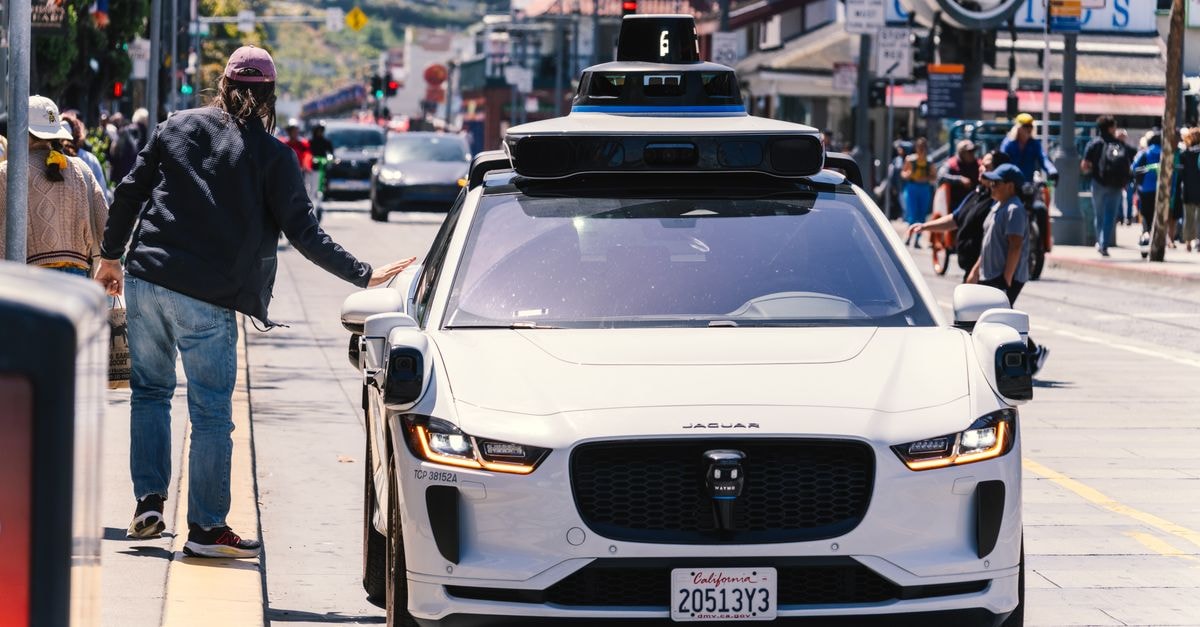
Barclays also cited Tesla’s Robotaxi and energy businesses as evidence that its investment thesis should not depend solely on merger hopes. The bank’s forecast calls for 1.80 million vehicle deliveries in 2026 and 1.92 million in 2027. It also expects energy-storage shipments to grow by at least 50% in 2027 as the Houston Megafactory ramps up, supported by Tesla’s statement that its energy business was nearly sold out for 2027 because of data-center demand.
Robotaxi activity was presented as an early operating signal rather than a near-term earnings driver. As of October 18, Tesla’s fleet had accumulated approximately 3.1 million unsupervised miles across six cities, up from about 400,000 in mid-July. Barclays did not expect robotaxis to contribute materially to financial results in the near to medium term.
Sell ratings remained concentrated
The available reports did not establish a reduction in bearish analyst sentiment or an 11-year low in sell ratings. They showed a still-divided analyst base: CNBC reported that, among 49 analysts, 25 had a buy or strong-buy rating and 22 had a hold. The reviewed reports did not establish a completed transaction, agreed consideration or confirmed shareholder allocation.
The most important verification signal is whether the two independent committees produce transaction terms that specify the exchange ratio, consideration and voting structure. Without those terms, the merger premium remains an analyst expectation rather than realized value.
Related industries and supply products
Industry / product or service | Evidence level | Event connection | Verification signal | Main risk |
|---|---|---|---|---|
Electric vehicles | Analyst forecast | Barclays forecasts Tesla vehicle deliveries growth | Delivery results versus Barclays forecasts | Two prior annual declines |
Full Self-Driving software | Disclosed fact | Installed on over 75% of newly purchased North American vehicles in Q3 | Future adoption disclosures | Financial contribution remains unproven |
Robotaxi services | Disclosed fact; analyst outlook | Fleet reached six cities and 3.1 million unsupervised miles; Barclays expects no near- or medium-term material financial contribution | Continued mileage and city expansion | No near-term material earnings contribution expected |
Energy-storage systems | Company statement; analyst forecast | Tesla said 2027 capacity was nearly sold out; Barclays forecasts shipments growing by at least 50% next year | Shipment growth and Megafactory output | Data-center demand may change |
Potential Tesla-SpaceX corporate combination | Research watchlist | A possible combination is central to Barclays’ valuation case | Committee terms and shareholder approvals | No terms, consideration or deal agreed |
No procurement has been confirmed from the potential Tesla-SpaceX combination. The evidence supports product and operating relationships, but it does not identify purchase orders, contract awards or named suppliers.
Share this article