Catch up on the essentials
- The pending report will test whether better-than-expected vehicle deliveries can translate into adequate profitability and cash generation as Tesla pursues AI computing, data centers, manufacturing, research, service and charging facilities.
- exports supported third-quarter headline resilience, but domestic conditions remained uneven.
- Analyst estimates cited ahead of the report put quarterly revenue near $28.3 billion, GAAP gross margin at 18.0% and non-GAAP diluted earnings per share at $0.45.
Selected from this article · 2026-10-20
Read on for the full pictureEarnings focus shifts to margins and cash

Tesla’s third-quarter results are scheduled for release on October 21 after Wall Street closes, with an earnings call at 5:30 p.m. ET. The pending report will test whether better-than-expected vehicle deliveries can translate into adequate profitability and cash generation as Tesla pursues AI computing, data centers, manufacturing, research, service and charging facilities.
The automaker delivered 486,532 vehicles in the quarter, about 5.3% above analyst forecasts, but below 497,099 vehicles in the same quarter of 2025. Production reached 464,391 units, trailing consensus while remaining above the prior year’s 447,450 vehicles. The reviewed coverage does not establish reported earnings results; the figures available are operating data and analyst expectations.
Delivery strength masks mixed demand signals
exports supported third-quarter headline resilience, but domestic conditions remained uneven. September wholesale sales of China-built Teslas rose 5% year over year to 95,366 vehicles as exports jumped 58%; domestic sales fell 9%. Another report characterized Tesla’s third-quarter deliveries as down 2% year over year, illustrating how percentage comparisons can differ when the baseline and rounding are specified.
Tesla also deployed 13.7 GWh of energy-storage products, above 12.5 GWh in the year-earlier quarter but below the 15.9 GWh consensus cited by Investing.com. This divergence matters because energy growth is one of Tesla’s disclosed offsets to softer vehicle sales, although deployment below consensus does not establish whether margins improved.
Expansion spending raises the financial bar
Analyst estimates cited ahead of the report put quarterly revenue near $28.3 billion, GAAP gross margin at 18.0% and non-GAAP diluted earnings per share at $0.45. They estimated free cash flow at approximately negative $4.4 billion to negative $4.5 billion, depending on the precision of the cited estimates.
Those are forecasts, not realized results. The more consequential disclosed commitment is Tesla’s guidance for fiscal-2026 capital expenditure above $25 billion, with management expecting negative free cash flow for the remainder of the year. That spending level places cash conversion and automotive margins at the center of the earnings assessment.
Commercial milestones face separate tests
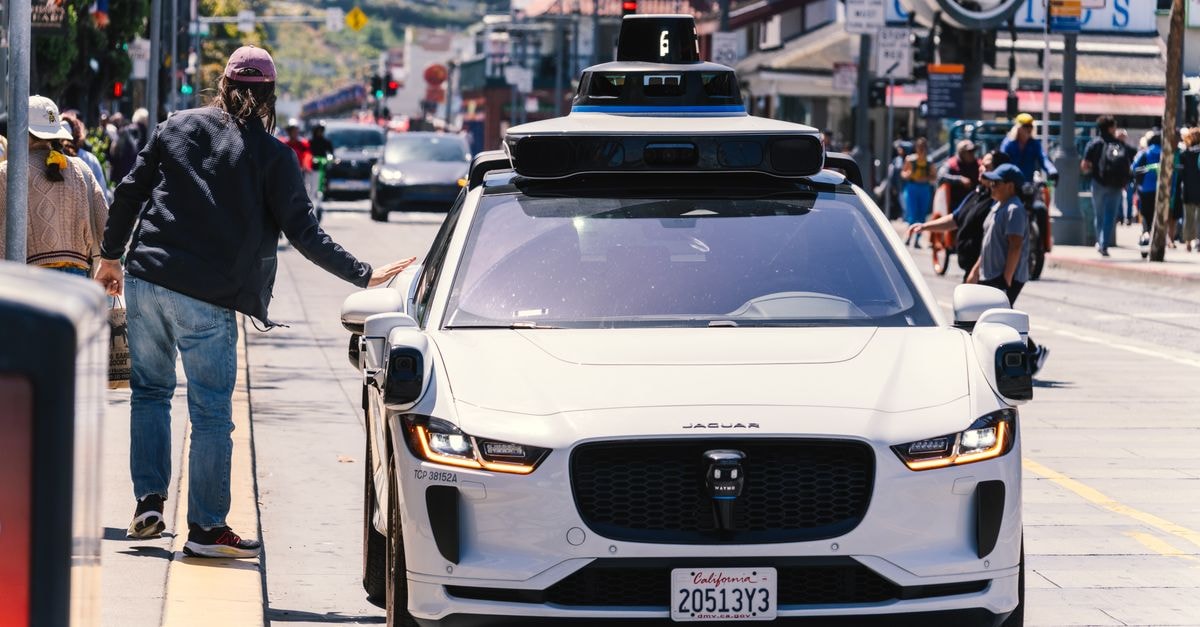
Autonomy remains relevant to Tesla’s valuation narrative, but commercialization progress cannot substitute for core financial proof. Reporting cited more than 380,000 cumulative robotaxi miles in the second quarter, while an independent aggregator cited fewer than 190 Cybercabs serving riders as of October 19. Tesla’s robotaxi service was reported as available in seven metropolitan cities.
These figures describe disclosed or cited operating snapshots, not profitability or broad regulatory approval. An October 30 regulatory deadline was also identified as potentially affecting Cybercab expansion, but the available coverage does not provide enough detail to establish its scope or outcome.
Related industries and supply products
Industry / product or service | Evidence level | Event connection | Verification signal | Main risk |
|---|---|---|---|---|
Automotive manufacturing | Confirmed | Vehicle output and deliveries frame quarterly operations | October 21 production and delivery context | Volume may not offset weaker margins |
AI computing and data centers | Confirmed | Included in Tesla’s disclosed 2026 capital plan | Quarterly capital expenditure and free cash flow | Spending may deepen cash burn |
Energy storage systems | Confirmed | Q3 deployment is an operating comparison point | Reported deployment, revenue and margins | Deployment below consensus may pressure expectations |
Autonomous taxis | Research watchlist | Cybercab and robotaxi activity is tied to Tesla’s growth plans | Fleet size, paid rides, safety and approvals | Economics and regulation remain uncertain |
Share this article