Catch up on the essentials
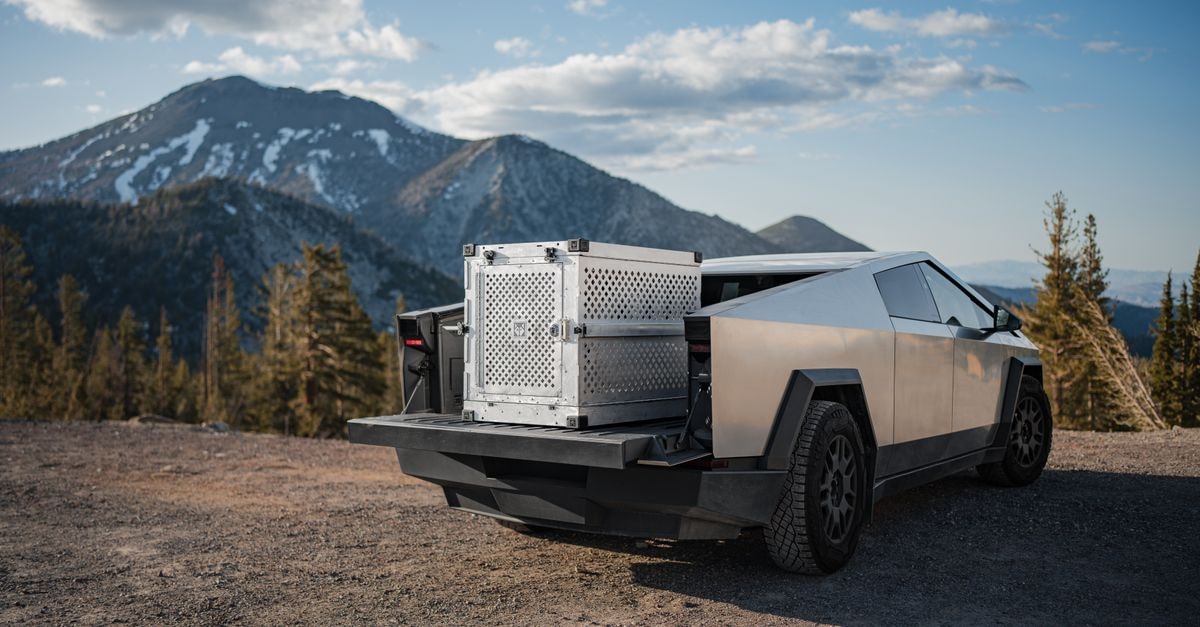
- Tesla CEO Elon Musk said on November 6 that the company will wind down Cybertruck production at Gigafactory Texas around the middle of 2027, making room for increased Cybercab production.
- Musk had predicted 250,000 annual Cybertruck sales when production began in 2023, while another report of his May 2023 shareholder-meeting remarks cited a possible eventual range of 250,000 to 500,000 units.
- Tesla also discontinued plans to sell the pickup in Australia and New Zealand shortly before the announcement.
Selected from this article · 2026-11-07
Read on for the full pictureMusk redirects Giga Texas capacity
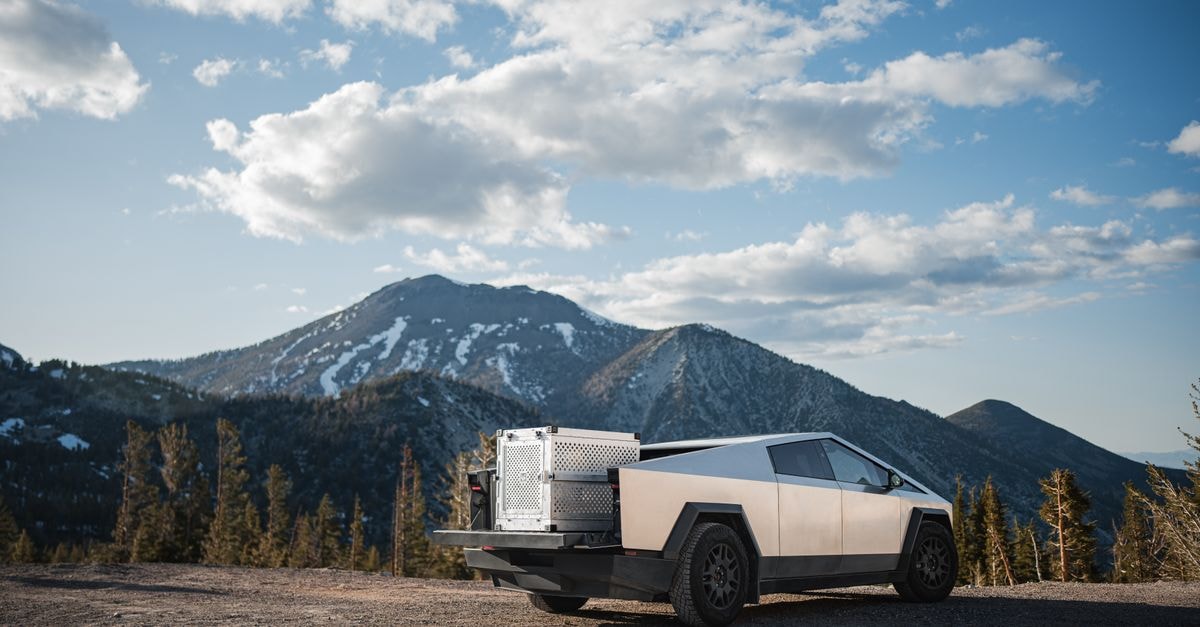
Tesla CEO Elon Musk said on November 6 that the company will wind down Cybertruck production at Gigafactory Texas around the middle of 2027, making room for increased Cybercab production. The announcement makes a factory reallocation central to Tesla's vehicle strategy: the Cybertruck line is to yield space to a product that Tesla is positioning around robotaxi services. Musk did not say whether Cybertruck production would move to another Tesla facility or end entirely, and Tesla did not immediately respond to a request for comment.
The proposal remains a public statement by Musk rather than a detailed production schedule. Giga Texas is the only Tesla factory known to manufacture the Cybertruck, making the location of the wind-down material, but the reviewed reporting does not establish the final disposition of the line, its capacity, or the investment required.
Weak sales underpin the reported pivot
Cox Automotive estimates put U.S. Cybertruck sales at 20,237 in 2025, down 48% from 38,965 in 2024. The following quarterly estimates were 3,519 in the first quarter of 2026 and 3,744 in the second. Tesla does not disclose Cybertruck sales separately; it groups the pickup with Model S, Model X and Semi in an “Other Models” category.
That wider category recorded 8,295 deliveries in the third quarter of 2026, down 48% year over year and the lowest for the category since the second quarter of 2021. The figures show a pronounced decline in the pickup's market performance, although they do not by themselves establish why Tesla is changing its production allocation.
Musk had predicted 250,000 annual Cybertruck sales when production began in 2023, while another report of his May 2023 shareholder-meeting remarks cited a possible eventual range of 250,000 to 500,000 units. Those figures were expectations rather than reported outcomes. One outlet estimated the pickup was running at roughly 12% of Tesla's planned annual capacity of 250,000, but that estimate conflicts with the stated rationale that factory space is needed for Cybercab.
Cybercab already has a separate Texas line
Cybercab is not merely a prospective use for the released space. Tesla already operates a separate Cybercab line at Giga Texas using an unboxed manufacturing process. The company began offering paid Cybercab rides in a small fleet in Austin in September, and 463 Cybercabs were registered in Texas as of late October.
This operating base gives Tesla an identifiable production program to absorb the capacity. It does not, however, establish the scale of the planned increase or the commercial economics of that expansion. Regulatory uncertainty also remains: the reviewed reporting said NHTSA opened an audit in September into Tesla's self-certification of Cybercab against federal vehicle-safety standards.
The clearest opportunity mechanism is therefore factory reallocation from a declining pickup line to an existing robotaxi program. The reported evidence supports potential demand for Cybercab manufacturing capacity, not a confirmed order, supplier contract or quantified capacity purchase.
Pricing changes did not reverse demand
Tesla introduced a cheaper rear-wheel-drive Cybertruck in 2025 and later withdrew it. It brought a lower-priced dual-motor version to buyers in 2026, then raised prices for two trims by $5,000 in August. Around the time of Musk's post, Tesla reportedly raised U.S. prices by as much as 10% and stopped accepting orders for the base Dual Motor AWD, leaving the cheapest orderable Cybertruck at $92,490.
The combination of a cheaper initial offering, later price increases and declining estimated sales does not establish whether price adjustments affected demand. The reviewed sources do not quantify how much each price move affected orders, so attributing the sales decline to pricing would exceed the evidence.
Tesla also discontinued plans to sell the pickup in Australia and New Zealand shortly before the announcement. It cannot be sold in Europe or most right-hand-drive markets, narrowing the model's addressable market even before the production decision.
Cybertruck remains in the installed fleet
A wind-down of production would not immediately eliminate existing vehicles from service. Tesla has issued 11 recalls covering the 2024 Cybertruck, including issues involving accelerator-pedal pads, detachable exterior panels and brake-rotor stud holes. Musk said the Cybertruck fleet would remain around for a long time, while Cybertruck lead engineer Wes Morrill wrote that the vehicle was an “incredible technology development platform” that “lives on through Cybercab.”
The announcement therefore concerns the production program rather than a disclosed end to support for the installed fleet. No reviewed source specified the timetable for warranty support, parts availability, resale demand or used-vehicle values.
The next test is production, not announcements
The relevant follow-up is whether Tesla confirms the mid-2027 wind-down, discloses whether Cybertruck output will relocate, and quantifies the space and investment assigned to additional Cybercab production. Delivery registrations, production disclosures and the pace of Cybercab launches would then show whether the Texas capacity shift is translating into operating scale.
The principal counter-case is that Cybercab is still operating in a small paid fleet while its regulatory certification remains under audit. Cybertruck demand also showed a localized exception: NBC News reported that at least one Texas dealer saw demand surge after the announcement. Neither observation establishes a company-wide reversal, so the announced factory reallocation remains a reported plan rather than a completed transition.
Industry and product implications
Industry / product | Disclosed fact | Interpretation & stage | Verification signal | Main risk |
|---|---|---|---|---|
Cybercab (downstream) | Giga Texas already builds the two-seat Cybercab on a separate line using Tesla's unboxed manufacturing process, and Texas had 463 registered Cybercabs as of late October. | Reported proposal; Cybercab production is operating at Giga Texas, while the scale of the proposed increase remains unconfirmed. | Future production, registration or factory-capacity disclosures showing the scale of the Cybercab increase. | Cybercab operating scale remains small, and NHTSA reportedly opened an audit into its federal safety-standard self-certification. |
PLACES IN THIS STORY
Explore the destinations behind this report
United States
Austin
Browse travel guides, places to stay, attractions and local food in Austin.
Explore Austin →Austin Travel Guide: Planning Tips, Costs and Things to DoShare this article