01Metaphor: ReFantazio – A patient, story-driven JRPG for solo planners who enjoy turn-based Archetype customization
STEAM DEAL · 60% OFF
Metaphor: ReFantazio
A polished, slow-burn fantasy RPG from the Persona team, currently priced at $27.99 (60% off the $69.99 launch tag) on Steam. Worth considering if you want a deep single-player campaign you can pace yourself through.
Game highlights
Archetype-driven turn-based combat with action flourishes
Battles are turn-based, but the official description notes a blend of real-time action, so you can strike or dodge between command selections. Archetypes replace the classic Persona job system and let you reassign party roles, which keeps party customization meaningful across the full campaign.
Day-and-night time management loop
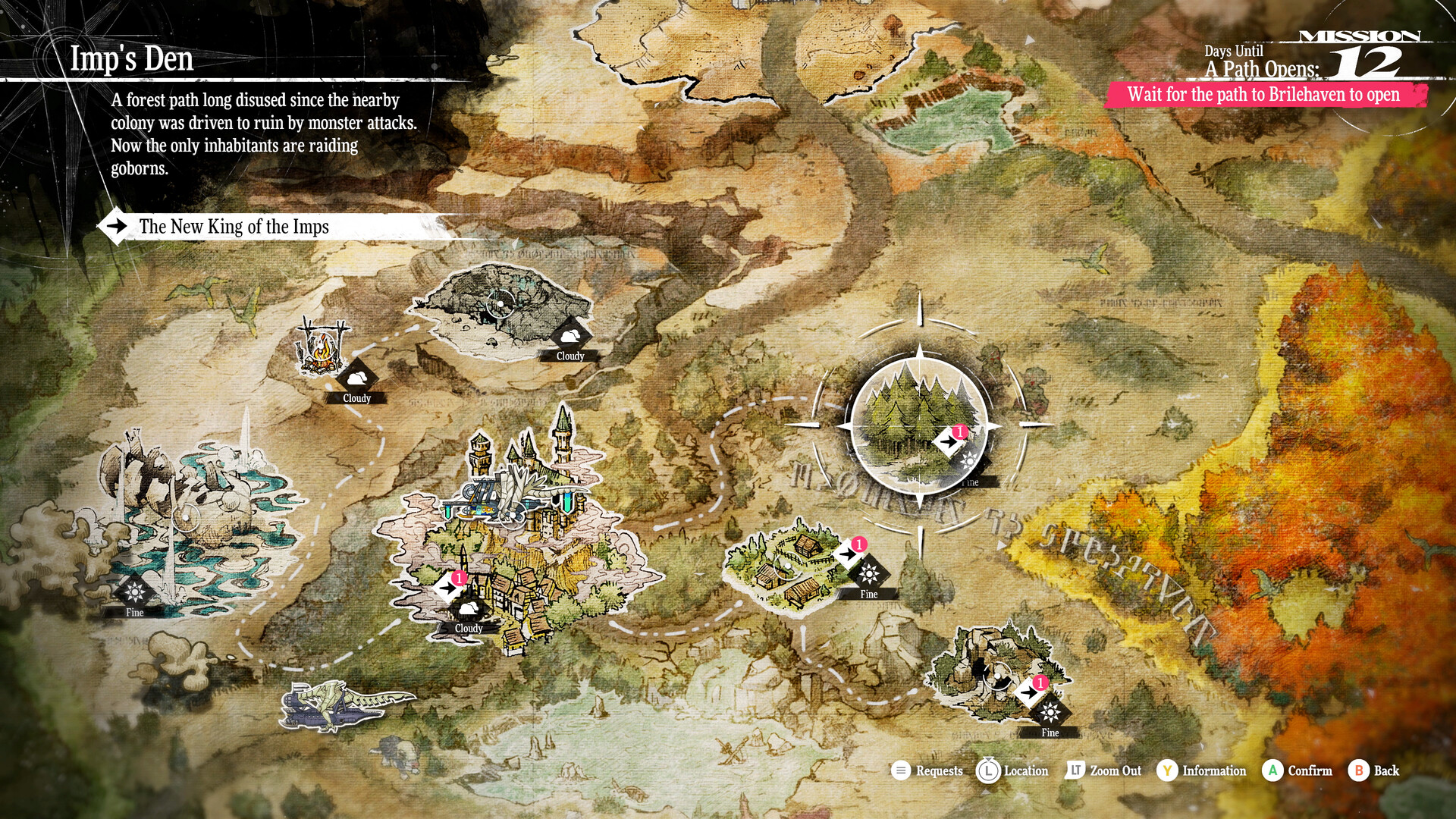
The Atlus formula carries over directly: you spend daylight hours on quests, dungeon crawls, and gauntlet-runner travel across the world map, then handle bonds and stat-building Followers at night. Choosing how to split the calendar is the main strategic hook, and the slow schedule rewards players who plan in advance rather than rushing.
Award-style art and world-building
The release materials lean heavily into the cast's voice acting, distinct tribal designs, and a tournament-for-the-throne premise that pushes you toward multiple cities and dungeons. Riding the gauntlet runner ties exploration together visually, and anime cutscenes punctuate major beats.
Single-player, controller-friendly setup
Steam categories confirm single-player only, full controller support including DualSense, Steam Cloud saves, and adjustable difficulty. That makes it a clean fit for couch sessions, and the adjustable difficulty setting lowers the barrier if turn-based systems feel intimidating.
Generous edition content for completionists
The ATLUS 35th Digital Anniversary Edition bundles the base game with a digital artbook, soundtrack, history book, and 50+ cosmetic DLCs drawn from past Atlus titles. Anyone who enjoys collecting costumes and listening to the OST outside the game gets clear extra value.
What players are saying
What keeps coming up positively
- Story, themes, and the main villain consistently land as the campaign's strongest element, with players pointing to the narrative about diversity and an ideal country as a reason to keep going.
- Voice acting, art direction, and the soundtrack are repeatedly called standout, especially the regional British dialects that make tribes feel distinct.
- Dungeons feel more interactive than typical Persona corridors because of parrying, dodging, puzzles, and occasional scares that break up the pace.
Where the friction shows
- Multiple players describe the back half dragging, with side dungeons and a final dungeon that forces boss rematches feeling like padding rather than meaningful content.
- A noticeable grind shows up around the mid-game, especially when leveling Archetypes or stocking dungeon resources, and the auto-battle toggle exists for a reason.
- Several reviewers report being unable to launch the game without an internet connection, which is a friction point for Steam Deck or travel use.
- A subset of long-time Atlus fans feel the writing and structure lean too heavily on Persona, making the new fantasy setting feel less fresh than advertised.
Is it worth buying?
At $27.99 versus a $69.99 regular price, this is a meaningful 60% discount and a fair entry point for a 70+ hour single-player JRPG. You are paying full price for the base game essentially, and any extra DLC value comes from cosmetics and soundtracks rather than gameplay. If the Persona-style loop already wears thin for you, wait for a deeper discount; if you enjoyed Persona 5 and want a longer fantasy equivalent, this is an easy pickup at current pricing.
Price checked 2026-09-28:$27.99,down from $69.99(60% off)。Player-fit tags
Good fit
- Players who want a slow, self-paced single-player JRPG they can play one in-game day at a time
- Turn-based tactics fans who enjoy planning Archetype roles and action timings before committing
- Readers who prioritize story, voice acting, and character relationships over competitive challenge
- Controller players looking for a long campaign with adjustable difficulty and Steam Cloud saves
Probably not for you
- Anyone who needs offline access, since multiple players report an always-online requirement
- Players who dislike Atlus-style time management and the pressure of a shared in-game calendar
- Completionists hoping for tight pacing, because late-game dungeons and rematches draw out the run
- Fans looking for a multiplayer or co-op experience, as the game is single-player only
- Anyone sensitive to grind, given recurring complaints about mid-game resource and Archetype leveling loops
02Graveyard Keeper: a grim medieval management sim for players who like layered crafting and dark humor
STEAM DEAL · 80% OFF
Graveyard Keeper
Buy now if you enjoy deep crafting chains and a slow solo grind; wait for a deeper discount if you are sensitive to opaque progression and reference-heavy play, because the current 80% off sale to $3.99 already makes the friction easier to tolerate.
Game highlights
Slow solo management with a dark twist
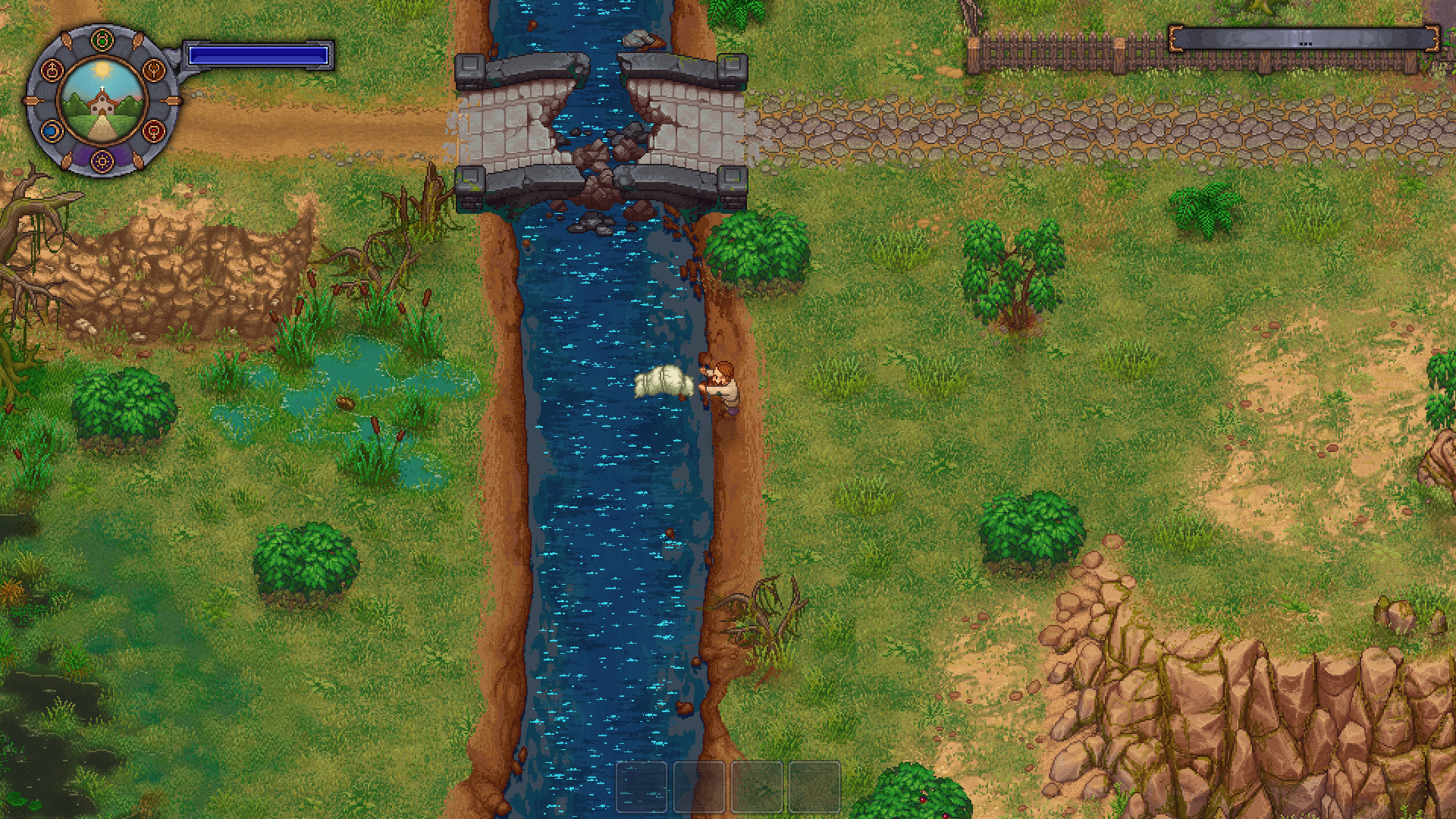
According to the Steam page, Graveyard Keeper is a single-player medieval cemetery management sim where you run a graveyard, expand into related ventures, and chase shortcuts to cut costs. The official description frames the loop around capitalism capitalism and an underlying love story, which sets a tone closer to a dark Stardew Valley than a cozy farm game. Solo-only play is confirmed by the Single-player category, and full controller support plus Remote Play on phone, tablet, and TV make it flexible for couch or handheld sessions.
Layered crafting chains and resource routing
The official description highlights gathering materials, crafting new items, and turning the graveyard into a thriving business, with dungeon runs providing alchemy ingredients. Player reviews repeatedly describe very long prerequisite chains where unlocking one recipe demands a perk, which demands study points, which demand faith, with limited energy gating each step. If you enjoy optimizing production lines and bottleneck-chasing, this is the core appeal; if you dislike chain dependencies, the same design reads as obfuscation.
Quests, ethical choices, and dungeons
The store page lists quests, ethical dilemmas like choosing cheaper burger meat for a witch-burning festival, and exploring dungeons for new alchemy ingredients. Body disposal also doubles as a resource decision, since corpses can be harvested for organs and other parts to sell. The writing skews darkly comedic, poking fun at capitalism capitalism and classic RPG tropes, which gives the management grind a recurring narrative hook.
Defined energy and day cycle that shape pacing
Multiple reviews describe short in-game days, a stamina bar that drains quickly, and real-time recovery between sleeping, which forces players to plan gathering routes rather than play reactively. Some tasks only resolve on specific days of the eight-day week, so missing a window means waiting a full in-game week to retry. This is what makes the game a genuine management sim rather than a casual clicker, but it is also the source of most pacing complaints.
Big base game with teasing hooks toward DLC
The official description positions Graveyard Keeper as the entry point into a larger universe, and reviewers note that the base game ends by teasing content that is not resolved inside it. Two DLCs are referenced in player discussions as required for closure on the story beats the main campaign sets up. That is worth knowing before you start, because it shifts the value calculation toward the bundle rather than the base alone.
What players are saying
What keeps coming up positively
- Detailed pixel art and a moody medieval atmosphere that land the graveyard premise
- Dark, tongue-in-cheek writing that pokes fun at capitalism and classic RPG tropes
- Deep crafting and production loops that reward players who like bottleneck-chasing optimization
- NPC quest lines and a quirky cast that give the grind a recurring narrative reason to keep going
Where the friction shows
- Recipes and mechanics are rarely explained in-game, so a wiki or guide becomes near-mandatory
- Stamina drains fast and refills in real time, so a large slice of early play is spent walking and sleeping
- Crafting chains stretch across many prerequisites, so small tasks balloon into multi-step chores
- Movement is sluggish, fast travel is limited, and workstations are scattered across impassable terrain
Is it worth buying?
At $3.99, down from $19.99, this is an 80% discount and a fair price for the base game if you already enjoy layered crafting management. If the dungeon grind, wiki dependency, and DLC chase sound like friction you can live with, this is a strong entry point; if not, even at this price the time cost can outweigh the dollar cost, so waiting for a deeper bundle discount or a free weekend is reasonable.
Price checked 2026-09-28:$3.99,down from $19.99(80% off)。Player-fit tags
Good fit
- Players who enjoy multi-step crafting chains and want to optimize production bottlenecks
- Solo players who like self-paced management with a defined energy and day cycle
- Players who prefer dark, cynical writing over cozy farm-game tone
- Fans of Stardew Valley style loops who want a grimmer, more puzzle-heavy variant
- Players comfortable keeping a wiki or guide open while learning the systems
Probably not for you
- Players who want mechanics fully explained in-game without consulting external guides
- Anyone looking for a relaxed, cozy wind-down experience rather than a managed grind
- Players who dislike short in-game days, real-time stamina recovery, and missed-quest weekly windows
- Anyone who needs a stable, bug-free save experience across long campaigns
03The Guild 1 Remake: Europa 1410 review: a nostalgic medieval dynasty sim still rough around the edges
STEAM DEAL · 34% OFF
The Guild 1 Remake: Europa 1410
Buy now only if you are a returning fan willing to babysit an Early Access build; everyone else should wait for the deeper discount once cart logistics, automation, and balance land. The core economic loop is here, but several promised systems feel half-implemented at launch.
Game highlights
Profession-led dynasty economy
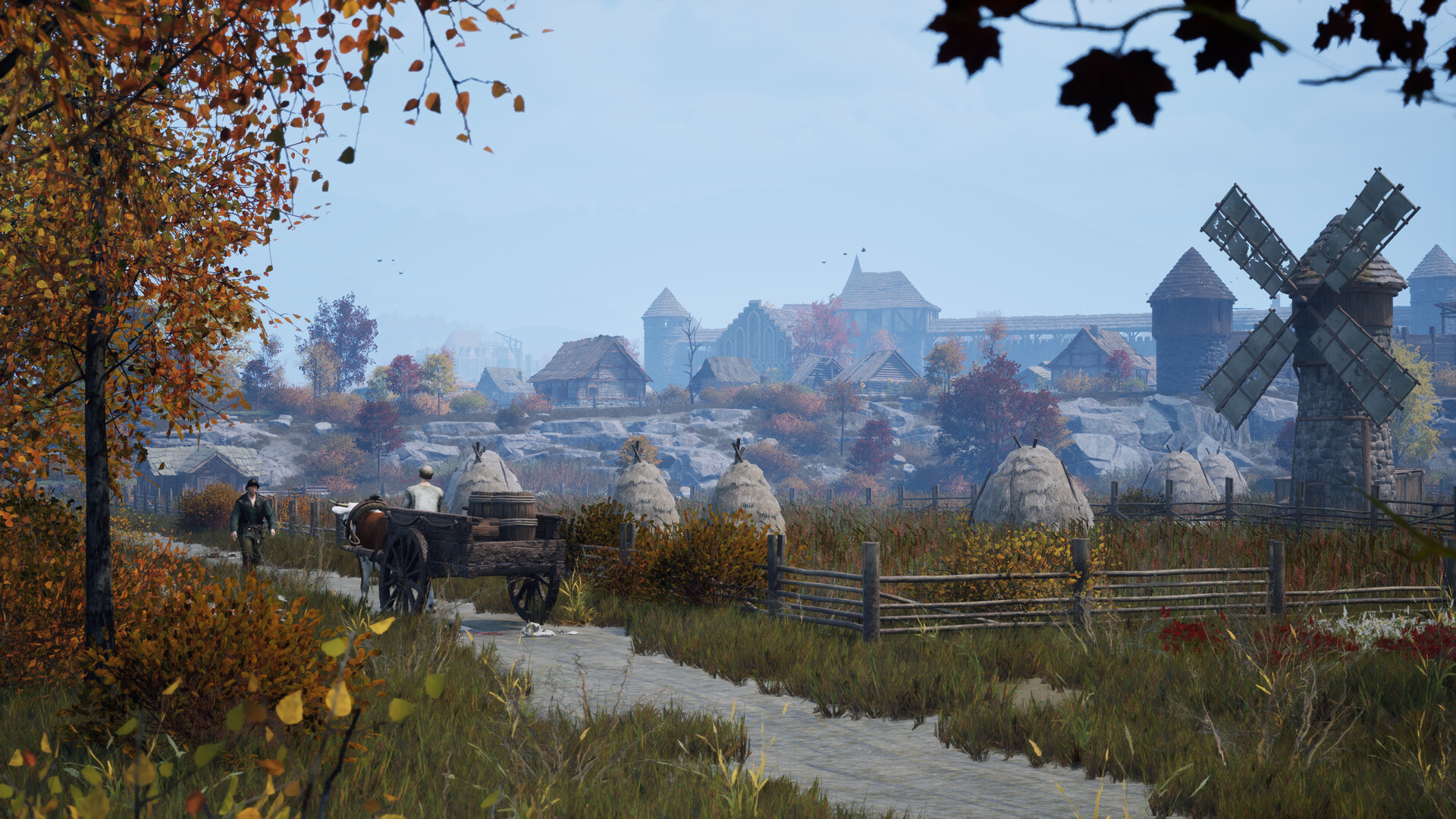
You pick a starting trade such as blacksmith, alchemist, or tailor, then grow a small workshop into a multi-generational business empire. Family members can be assigned to manage different ventures, and succession planning matters because heirs inherit your political standing. Official materials explicitly market this profession-and-craft pillar as the heart of the experience.
Politics, bribes, and blackmail
Beyond trade, the game pushes you into town-hall politics where popularity, bribes, and blackmail decide who holds influential offices. Holding office is supposed to advance your ambitions and block rivals, while crimes can leave evidence that ends up in court. Several players still feel politics is shallow, but the mechanics described in the store description are clearly in place.
Solo, self-paced management loop
The Steam page lists single-player, save-anytime, adjustable difficulty, and Playable without Timed Input, so there is no pressure clock or multiplayer demand. This matches the publisher's framing of a chill simulation you can pause and resume whenever you want. Players describing it as a relaxing sim are reacting to exactly that lack of forced pace.
Crime versus law enforcement path
The official description lets you choose a life of crime, sending thugs to rob carts, scout buildings, or kidnap for ransom, or play the lawful side by hiring mercenaries to patrol streets. Both branches feed back into reputation, politics, and how citizens treat your dynasty. It is one of the more differentiated design choices compared to a pure merchant sim.
Early Access warning signs
Multiple reviewers flag missing or broken cart management, no working automation, and dynasty members selling raw resources instead of crafting finished goods. Workers also get injured at rates players consider unrealistic, and taxes do not yet function, so city economies stall. These are not edge cases but recurring complaints across long-playtime negative reviews.
What players are saying
What keeps coming up positively
- Long-time fans of the original Europa 1400 say the soundtrack and German voice acting deliver a strong nostalgia hit.
- Players who came from The Guild 3 report that Europa 1410 feels noticeably more stable at launch, with fewer crashes and smoother performance.
- The dynasty, profession, and small-town economic framing hooks returning players quickly, and several describe wanting to keep playing once a demo turn limit expired.
- Save-anywhere and adjustable difficulty let players treat the game as a relaxed sim they can dip into at their own pace.
Where the friction shows
- Missing or broken cart logistics and automation are repeatedly called a deal-breaker, since running more than two or three businesses becomes unmanageable without them.
- Dynasty members assigned to businesses behave irrationally, often selling raw inputs instead of crafting higher-value goods, which breaks the economic loop.
- Workers suffer injuries far more often than advertised stats suggest, and injuries last multiple turns while permanently reducing skill, frustrating players who try to play carefully.
- Many players feel the world feels empty: markets lack real supply and demand, events are repetitive, and politics mostly grants a title without meaningful effect.
Is it worth buying?
At $19.79 on a 34% discount (regular $29.99), the price still sits well above what most current players consider justified for an Early Access build that is missing core systems like cart management and taxes. Returning series fans may accept paying full price to support development and chase nostalgia, but new players should wait for a larger sale or for the cart, automation, and balance updates to actually ship before committing.
Price checked 2026-09-28:$19.79,down from $29.99(34% off)。Player-fit tags
Good fit
- Returning Europa 1400 or Guild 2 fans who want to support a remake and tolerate Early Access quirks
- Players who enjoy slow, self-paced single-player management sims with save-anytime convenience
- Players who like role-picking a profession first and then building a multi-generational family dynasty
- Simulation players willing to read patch notes, give feedback, and revisit the game across several updates
- Fans of medieval city politics who enjoy bribing, blackmailing, and competing for offices as a side layer to trade
Probably not for you
- Anyone expecting a finished, balanced economy simulation rather than an Early Access foundation
- Players who want automated logistics, since cart routes are widely reported as missing or non-functional
- Anyone seeking a deep, atmospheric medieval world, because current players describe events and markets as repetitive and empty
- Multiplayer or co-op players, since the Steam page lists only single-player
- Players scarred by The Guild 3's launch who want a polished, feature-complete remaster on day one
Share this article