Catch up on the essentials
- Two Point Campus is a gentle management sim where you design college grounds and watch quirky courses run themselves, and at 90 percent off the $29.99 list price it is a strong pickup for casual builders who want low-pressure tinkering.
- At a 70% discount, Tropico 6 is a worthwhile pick if you want a charming city-builder with a humorous dictator flavor, but the economy can feel fiddly and the DLC catalog adds up fast, so budget accordingly.
- At $29.99 (regular $39.99, 25% off), it is a reasonable bet for patient players and competitive duelers.
Selected from this article · 2026-10-02
Read on for the full picture01Two Point Campus review for Whimsically play-easy-build tycoons through building colleges without crushing failure risk
STEAM DEAL · 90% OFF
Two Point Campus
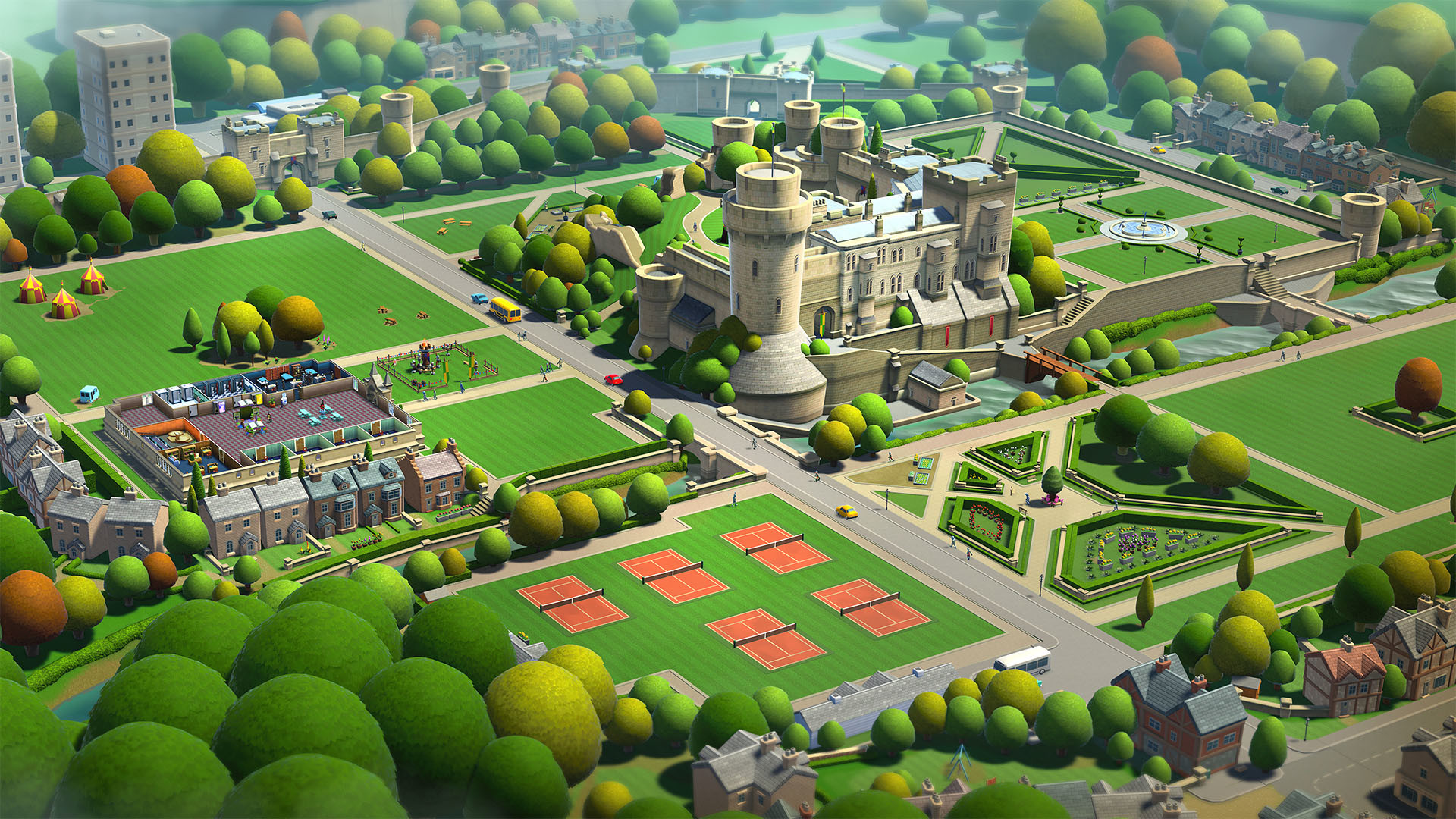
Two Point Campus is a gentle management sim where you design college grounds and watch quirky courses run themselves, and at 90 percent off the $29.99 list price it is a strong pickup for casual builders who want low-pressure tinkering.
Game highlights
Outdoor campus construction
If you like placing paths and props on a blank grid, the outdoor tools carry the whole package.
Whimsical course roster
If quirky class names are a draw, the course carousel is a steady supply of small novelties.
Academic-year pacing with summer break
If you like designing first and reacting later, the annual rhythm suits that workflow.
Club and personality systems
If you enjoy soft simulation layers over your management sim, the personality systems scratch that itch.
PC and Mac accessibility
If you want a sim that plays nicely across PCs and controllers, the platform support is broad.
What players are saying
What keeps coming up positively
- Building and decorating outdoor grounds is consistently called the most enjoyable system, since pathways, gardens and props let players shape each campus their own way.
- The annual pacing with a summer build break is widely described as relaxing, letting players design before students arrive rather than juggle constant crises.
- Compared with Two Point Hospital, many players say Campus feels less stressful because students rarely die or quit in alarming numbers, so the failure anxiety is much lower.
- Personality systems and student needs add charm and make the campus feel populated rather than abstract.
Where the friction shows
- Multiple players say the campaign loops feel repetitive across campuses, since each new map largely adds one course and a handful of animations while core actions stay the same.
- Several reviewers describe the difficulty as too shallow, noting that bankruptcy is rare once steady income arrives, so the strategic ceiling feels low compared with Two Point Hospital.
- Save corruption reports appear in negative feedback, with at least one player losing a 26-hour campaign because both local and cloud saves failed.
- Performance hitches show up on dense campuses, with pathfinding lag when student and staff totals climb into the hundreds during building edits.
Is it worth buying?
At $2.99 against a $29.99 regular price this is a steep 90 percent discount, and the build-and-watch loop is easy to recommend for casual builders at that level. Hold off if you want a deep management challenge, since several players find it too easy to coast once cashflow stabilizes, and weigh that against the save-corruption reports before committing to long campaigns.
Price checked 2026-10-02:$2.99,down from $29.99(90% off)。Player-fit tags
Good fit
- Players who enjoy decorating outdoor lots more than optimizing spreadsheets
- Cozy simulation fans who want a chill design-then-watch loop
- Controller or Mac players who want broad platform support
- Players who bounced off Two Point Hospital's failure pressure and want a softer entry
- Builders who like sandbox-style tinkering between short campaign levels
Probably not for you
- Strategy players looking for a deep challenge, since bankruptcy is rarely threatened
- Players who want fresh mechanics, since the loop is felt like another reskin of the same systems
- Anyone unwilling to risk losing long saves without backups
- Players seeking a strict time-attack or score-chase experience
- Fans who want heavy DLC support, since reviewers note only a handful of expansions have shipped
02Tropico 6: relaxed banana-republic builder for players who enjoy light dictator roleplay without heavy micromanagement pressure
STEAM DEAL · 70% OFF
Tropico 6
At a 70% discount, Tropico 6 is a worthwhile pick if you want a charming city-builder with a humorous dictator flavor, but the economy can feel fiddly and the DLC catalog adds up fast, so budget accordingly.
Game highlights
Archipelago management and island-hopping infrastructure
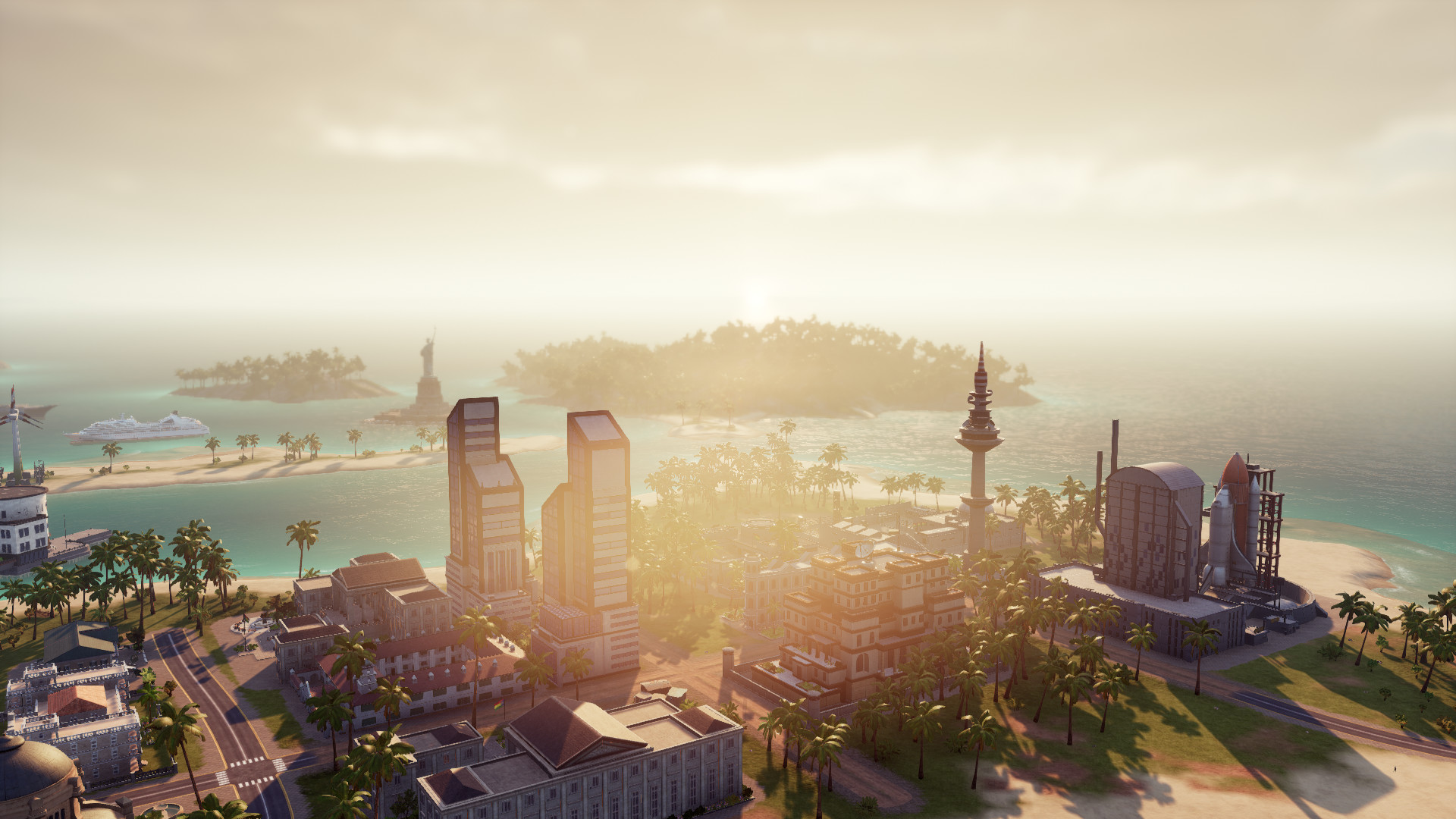
Tropico 6 is the first entry in the series to let players manage large archipelagos, running multiple islands simultaneously with bridges, tunnels, taxis, buses, and aerial cable cars connecting them. That means planning road and transit layouts across water and varied terrain, rather than packing everything onto one landmass. It is a noticeable structural change from earlier Tropico games and gives long sessions a different rhythm than single-island runs.
Heist-style raids to steal world wonders
Agents can be sent on raids to foreign lands to steal monuments like the Statue of Liberty and the Eiffel Tower for your palace. The mechanic is small but flavorful, giving mid-to-late games a clear objective beyond balancing budgets. Players who like sandbox games with quirky goals tend to enjoy mixing city management with occasional narrative-flavored side actions.
Political-era structure and election speeches
Campaigns span four distinct eras, with a revised research system focused on political mechanics rather than pure tech trees. Election speeches return, letting you address citizens from your palace balcony and make promises you do not have to keep. The era progression makes each republic feel like a multi-decade story instead of a single uninterrupted sandbox.
Deep palace customization and avatar expression
The palace is a customizable sandbox within the sandbox, with cosmetic extras and balcony speeches reinforcing the dictator fantasy. Players describe tinkering with palace layouts and decorations as a low-pressure creative outlet that complements heavier city-building decisions. It is one of the most consistently praised expressive systems for builders who care about aesthetics.
Four-player online co-op and competitive multiplayer
Online multiplayer supports up to four players in both co-op and PvP modes, so a small group can co-rule or compete on the same archipelago. The mode is a plus for friends who want shared sandbox sessions rather than pure solo play. Availability of Steam Cloud and Workshop also helps with modded and cross-device campaigns.
What players are saying
What keeps coming up positively
- The banana-republic tone and dictator roleplay scratch a specific fantasy that pure city-builders usually skip, and many returning players cite it as the closest the series has come to their ideal island simulator.
- Palace customization, election speeches, and the raids-to-steal-wonders loop give sessions memorable flavor beats beyond the standard build-and-budget loop.
- The core city-building is considered the strongest in the series, with the four-era campaign structure giving long playthroughs a sense of progression.
- Onboarding is approachable for newcomers, with the difficulty curve leaning toward easy-to-learn rather than impenetrable, making it friendly for casual players.
Where the friction shows
- Traffic and citizen pathfinding are frequent friction points, with cars and service workers reportedly idling in place or ignoring nearby buildings, which can stall exports and tank the economy mid-game.
- The economy system draws repeated complaints about runaway debt, opaque approval ratings, and budget mechanics that feel like a thin veneer over the underlying numbers, frustrating players coming from more simulation-heavy city-builders.
- The DLC catalog is large and expensive, with several reviews noting that combined DLC costs exceed the base game's discounted price, and some feel the added content is thin.
- Longtime series fans argue the dictator roleplay has been dialled back in favor of pure city-building, leaving the political fantasy feeling less central than in earlier entries.
Is it worth buying?
At $11.99 versus a $39.99 regular price, the base game is a strong impulse buy for anyone curious, but factor in DLC costs before committing to a long archipelago campaign. If you only want the core sandbox, this price is fair; if you want the full feature set, the DLC math gets steep quickly.
Price checked 2026-10-02:$11.99,down from $39.99(70% off)。Player-fit tags
Good fit
- Players who want a relaxed city-builder with humor and a distinctive dictator personality rather than a grim management sim.
- Series fans who skipped earlier entries and want the most modern archipelago-focused Tropico experience.
- Friends looking for low-stakes four-player online co-op or PvP sandbox sessions.
- Builders who enjoy light creative expression through palace customization and cosmetic flourishes.
- Newcomers who prefer an easy-to-learn city-builder that does not demand deep economic optimization from minute one.
Probably not for you
- Simulation purists expecting transparent budgets, realistic traffic, and reliable citizen pathfinding.
- Players averse to large DLC catalogs where extras can cost more than the deeply discounted base game.
- Fans of earlier Tropico entries who specifically want stronger dictator roleplay and edgier political mechanics.
- Anyone who wants a strict tycoon challenge with deeply thought-out economic systems rather than a stylized sandbox.
03Heroes of Might and Magic: Olden Era — A Early Access return to classic turn-based strategy for nostalgic veteran players
STEAM DEAL · 25% OFF
Heroes of Might and Magic: Olden Era
A promising Early Access revival of classic Heroes-style empire building and turn-based combat that veterans of Heroes II/III/V can enjoy, but solo players and co-op groups should wait until PvE and team-play features are finished, since current AI and missing co-op drag the experience down. At $29.99 (regular $39.99, 25% off), it is a reasonable bet for patient players and competitive duelers.
Game highlights
Six factions with deep unit variety
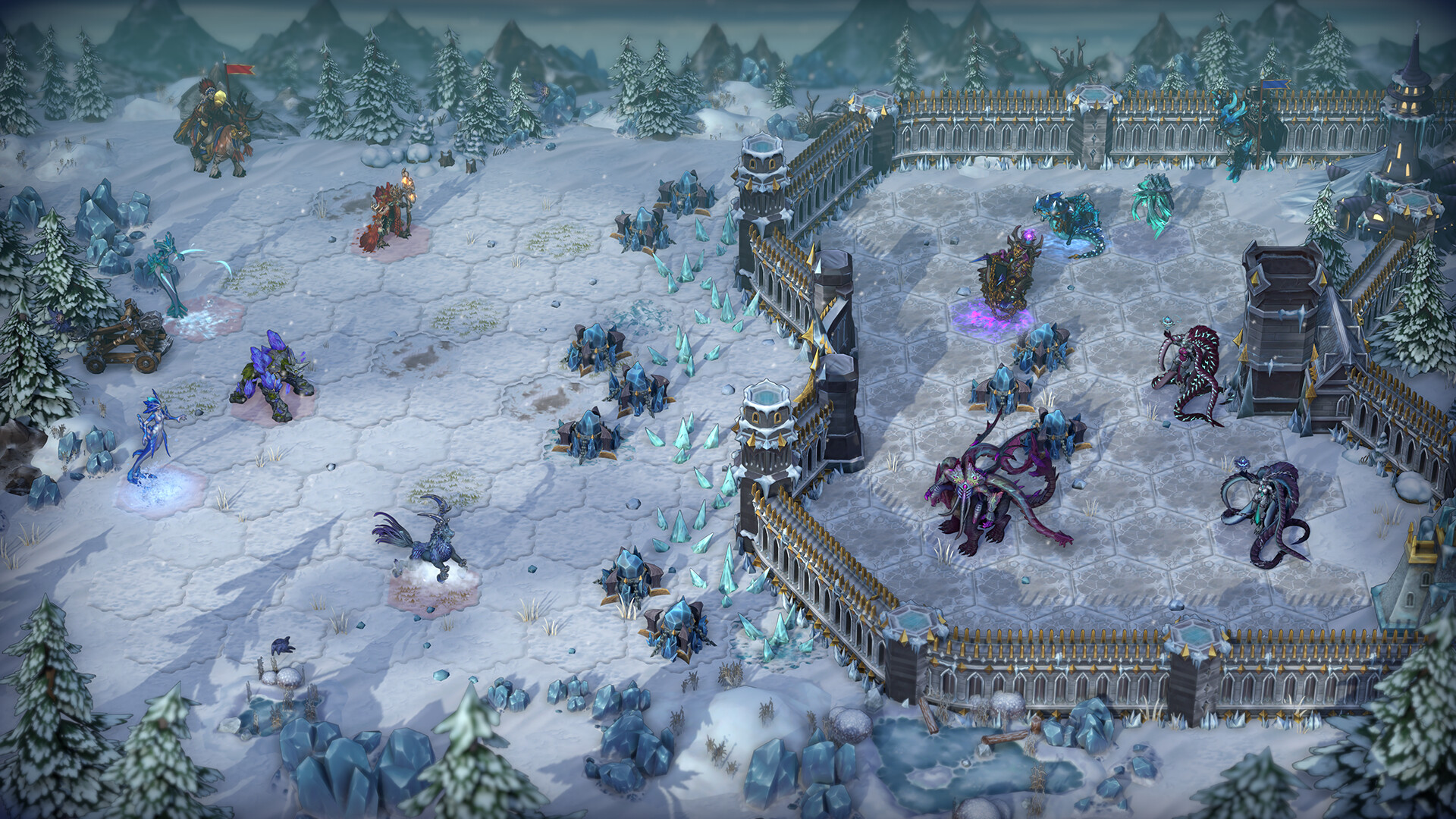
Players can choose from six factions like Temple knights, Grove spirits, Dungeon dragons, and Necropolis undead. Each faction offers numerous unit variants, active and passive abilities such as teleports, extra summons, and spell disruption, letting players build armies around tanky griffins, life-draining vampires, or charging knights. The wide roster supports very different tactical styles even within a single faction.
Turn-based empire building on layered maps
The strategic layer has heroes with limited movement points racing for resources, mines, mana sites, and towns across procedurally generated or handcrafted maps. Each turn forces real trade-offs about whether to chase treasures, wells, chokepoints, or enemy armies. Capturing additional towns and building structures feeds recruitment and upgrades, so economic decisions shape the war.
Hero progression, artifacts, and over 100 unique heroes
Heroes gain experience, learn spells, and equip weapons, armor, rings, and trinkets that meaningfully boost their armies. With over a hundred unique heroes, each bringing their own starting troops, skills, and spells, runs feel varied. Some heroes accelerate movement or initiative while others boost recruitment or resource generation, so players can specialize rather than micromanage identical leaders.
Built-in map editor and community maps
The game ships with an in-game map editor for handcrafted maps, alongside procedurally generated worlds, so replayability does not have to rely only on randomness. Players can build, share, and download community creations, which extends life far beyond the official campaign. This is a clear nod to the Heroes III workshop tradition long-time fans expect.
Cross-platform multiplayer across modes
Official categories list online PvP, online co-op, shared/split-screen PvP, shared/split-screen co-op, cross-platform multiplayer, and Remote Play Together. Difficulty options, save-anytime, and mouse-only play exist, so players can tune input and pacing. That breadth is real, though several co-op versus AI features are still flagged as upcoming rather than live.
What players are saying
What keeps coming up positively
- Long-time Heroes fans feel the core fantasy empire-building loop finally has a worthy modern counterpart
- Players appreciate the developers reading feedback, patching balance issues, and publicly committing a no generative-AI policy
- The combination of procedurally generated and handcrafted maps, plus the map editor, gives strong replay value
- Multiple reviewers highlight the faction variety and ability design as the best part of battles
Where the friction shows
- Single-player AI feels underdeveloped, with opponents relying on death-stack rushes or huge stat bonuses rather than smart play
- Co-op versus AI and proper team formation with friends were still missing, pushing solo and friend-group buyers away
- Campaign mission count is small and narrative writing has been called thin and skippable
- Several systems, like spell cooldowns, feel tuned for competitive PvP and can hinder relaxed solo play
Is it worth buying?
At $29.99 against a $39.99 regular price, this is a 25% discount, not a deep cut. Patient Heroes fans who want a modern turn-based entry and can tolerate Early Access gaps will find real value here, but anyone buying primarily for solo PvE or couch co-op against AI should treat it as a buy-later rather than a must-buy today.
Price checked 2026-10-02:$29.99,down from $39.99(25% off)。Player-fit tags
Good fit
- Veteran Heroes II/III/V players looking for a modern turn-based successor
- Competitive PvP players who want ranked duel practice and balance patches
- Map makers and tinkerers who enjoy the in-game editor and community scenarios
- Players who enjoy slower empire-building strategy where every movement matters
- Couch and online groups willing to experiment with multiplayer modes that are still being filled in
Probably not for you
- Players who want a fully featured solo or co-op versus AI campaign right now
- Friends buying specifically to team up against the computer, since co-op AI is still flagged as unfinished
- Anyone sensitive to small UI text or who needs a fully polished, end-game worthy solo story
04Here Comes The Swarm review: a pause-driven survival RTS for players who want to plan, then unleash insect hordes at their own pace
STEAM DEAL · 20% OFF
Here Comes The Swarm
A genuine option for fans of pause-friendly survival RTS who want meaningful build variety and a tolerable learning curve, though expect Early Access roughness and repetitive mission structure. At 20% off it is a reasonable buy for the right player, but cautious shoppers can wait for more content.
Game highlights
Pause-driven RTS pacing that rewards planning
The official pitch and multiple reviewers center the pause button as the defining comfort feature: you can freeze the action to queue buildings, reassign squads, and respond to surprise waves without frantic clicking. For players who bounced off They Are Billions because real-life interruptions cost you the run, that pause-whenever-you-want design removes a major pain point and turns sessions into manageable slices.
Multiple game modes with distinct loops
Skirmish, randomized Expeditions, and a scaling Endless mode give you three different reasons to start a fresh run, and the official description explicitly calls out that no expedition session plays the same because blessings and empowered enemies shift between steps. Several long-tenured reviewers cited Endless specifically as the standout, noting how wave pressure ramps gradually enough that defeat tends to come from attrition rather than a single unfair spike.
Deity and Arcanum build variety
You pick from deities that lean toward towers, massed armies, or hybrid approaches, then spend Arcane Essences in an Arcanum skill tree to further specialize. Longtime players reported running wildly different strategies on the highest difficulty and feeling the game supported each one, which is unusual for a small-scale Early Access RTS and is the strongest hook for replay.
Difficulty options that respect your time
Adjustable difficulty, multiple map sizes, and customizable camera controls are listed as official features, and reviewers specifically praised that the game does not force a single hardcore setting. That makes the onboarding curve much friendlier than the genre norm, especially for newcomers who want to learn the swarm's attack patterns before cranking up the pressure.
Responsive unit control with readable visuals
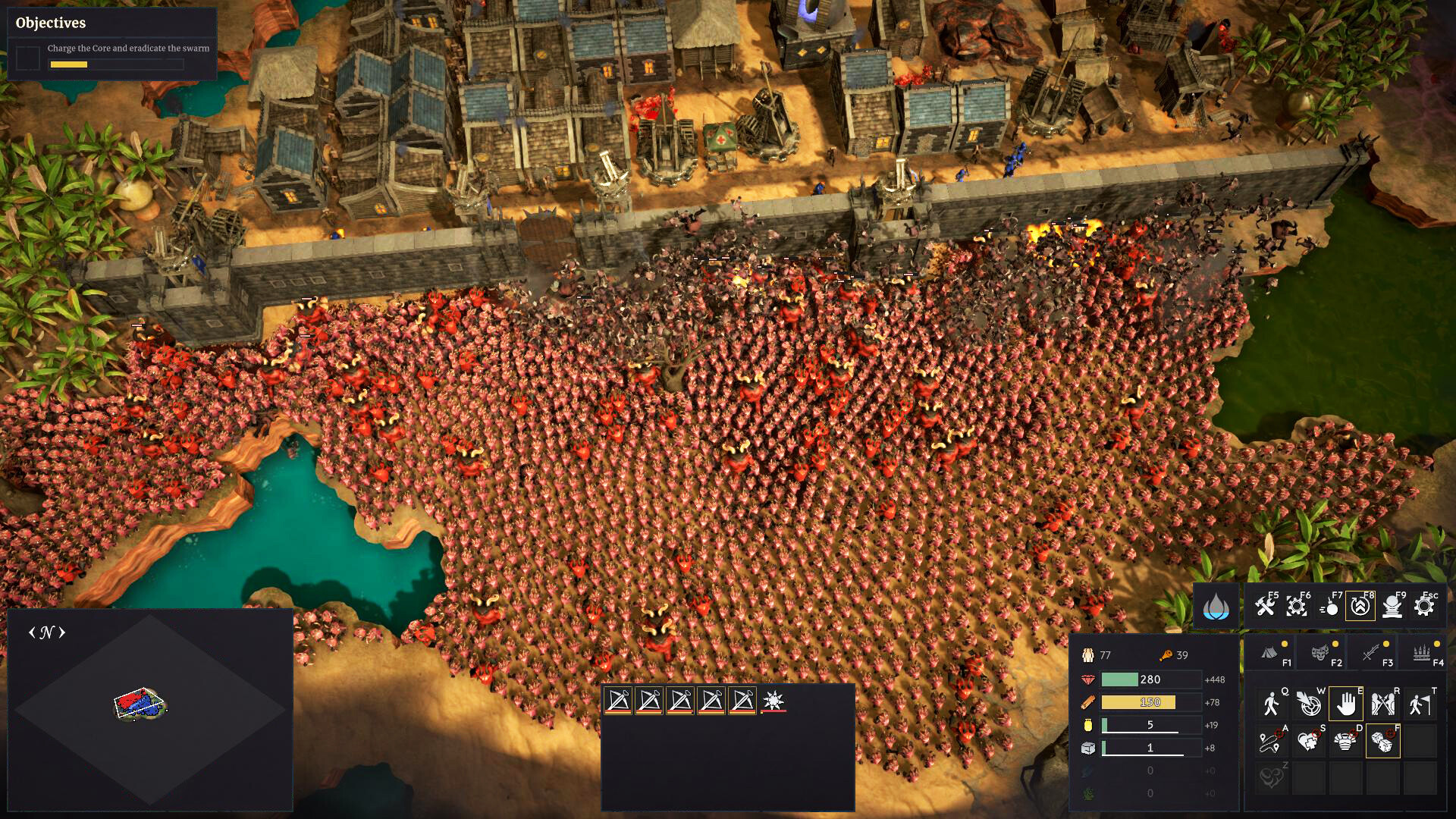
Players coming from StarCraft-style RTS games described the controls as snappy and noted that units, buildings, and points of interest stay visually distinct during large fights. Combined with adjustable text size and stereo/surround options, the presentation holds up during the thousands-of-enemies encounters the game advertises.
What players are saying
What keeps coming up positively
- The pause function turns normally stressful defense missions into something you can step away from and resume, which several reviewers called a genuine quality-of-life upgrade over similar titles.
- Endless mode is widely cited as the most balanced survival loop in the subgenre, with pressure that ramps gradually instead of one-shotting you from full health.
- The deity and Arcanum system supports very different army compositions, and players who stuck with the Early Access found real replay value in experimenting with alternate builds.
- Active developer communication and frequent meaningful updates were repeatedly called out, which matters a lot in an Early Access survival RTS.
Where the friction shows
- Several players describe the mission structure as repetitive: randomized maps and expeditions still funnel you through the same basic build order, and time-limited missions can cut short exploration or teching up.
- Unit pathfinding is flagged as inconsistent for both your squads and enemy swarms, occasionally causing units to idle or take strange routes during large fights.
- Maps feel small even on the largest size, and biome variety is limited, which makes consecutive runs start to blend together visually.
- Repetitive unit voice chatter during long skirmishes gets tiring quickly and there is no in-game toggle to reduce it.
Is it worth buying?
At $15.99 against a $19.99 regular price you save about $4, which is a modest but real discount for an Early Access title. Given the strong pause design and build variety but the repetitive mission flow and pathfinding rough edges, this price is fair for genre fans; if you are not sure the pause-driven style is for you, waiting for a deeper sale or more expedition content is the safer move.
Price checked 2026-10-02:$15.99,down from $19.99(20% off)。Player-fit tags
Good fit
- Players who bounced off They Are Billions or Age of Darkness because they wanted a pause button during critical defense moments
- Strategy players who enjoy experimenting with drastically different army compositions across repeated runs
- Survival RTS fans looking for a shorter-session, lower-stress alternative to marathon base defense titles
- Early Access adopters who actively want to give feedback and watch a game evolve through patches
- Anyone who prefers adjustable difficulty and customizable controls over a single punishing setting
Probably not for you
- Players who want a fully polished, content-complete RTS rather than an Early Access experience with known pathfinding issues
- Fans of large open maps and varied biomes, since current reviewers describe the playable area as small and visually repetitive
- Anyone expecting deep storytelling, because multiple reviewers noted there is essentially no campaign or characters
- Players who dislike time-limited mission structures where reaching the survival timer can feel like an auto-win before you have time to tech up
Share this article