Nevada deposit estimate and NASA access dispute

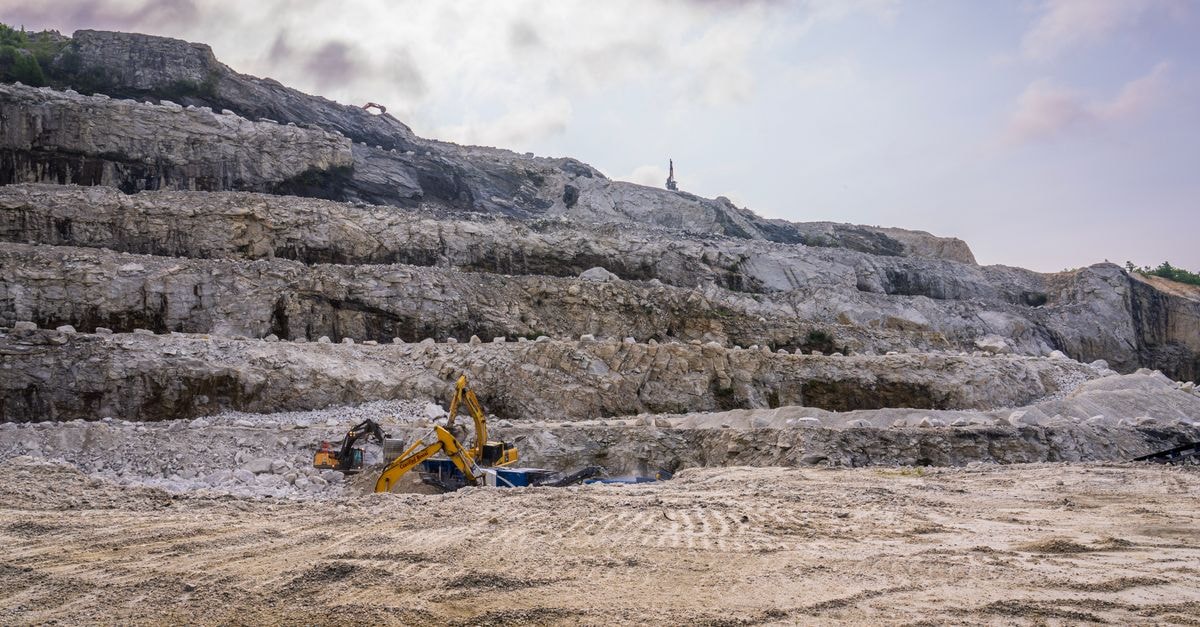
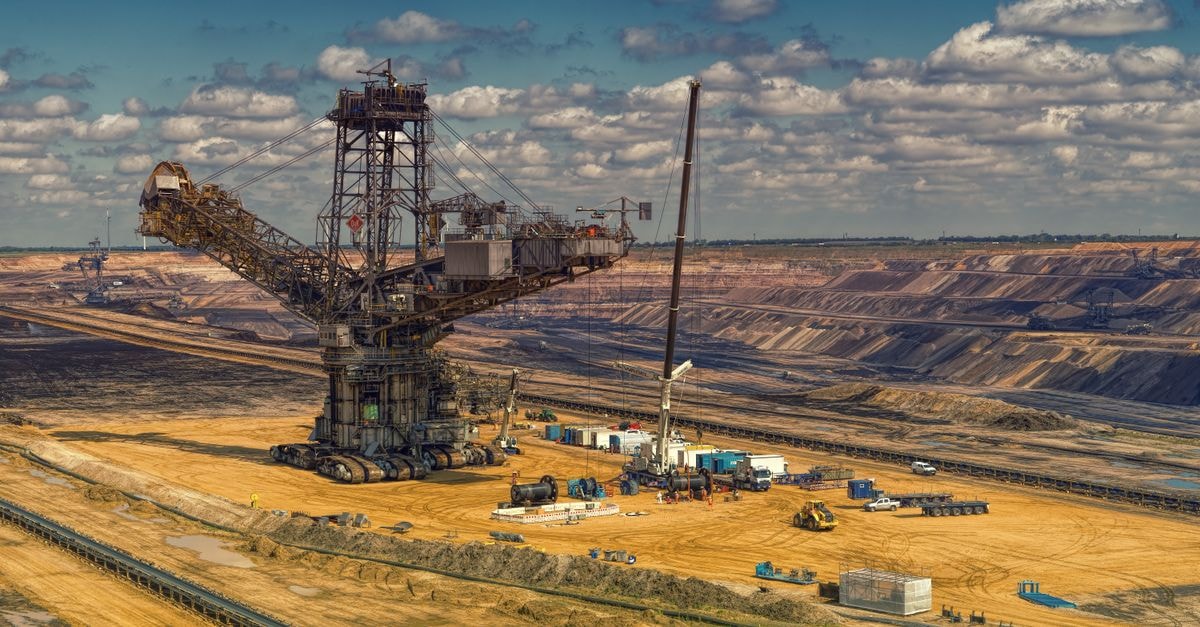
3 Proton Lithium (3PL) says recent drilling at its Railroad Valley Minerals Project in eastern Nevada outlines an estimated 1.78 million tonnes of tungsten, a figure the privately held company values at roughly $152 billion at current prices. The estimate excludes a 17-square-mile section of the claim that has been off-limits since the Bureau of Land Management imposed a 20-year mining and exploration prohibition in 2023 at NASA's request. NASA says about a third of the company's holdings cover a zone used to calibrate satellite instruments and track signals returning to Earth, and that mining would threaten those operations. 3PL chair and chief financial officer Kevin Moore argues the 2023 decision was based on incomplete information and that the company is lobbying the Trump administration and Congress to lift the restriction. A NASA spokesperson said the agency's position has not changed.
Supply pressure and price surge
Tungsten prices have climbed nearly 600% since February 2025, driven by demand from aerospace, weapons and tool manufacturers and by Chinese export controls. China controls about 80% of the global tungsten market, and the United States has not produced tungsten domestically since about 2015. Analysts note that the price rally is drawing junior miners into the sector, but warn that high prices alone do not shorten the path to commercial output.
2027 federal sourcing deadline
US defense and federal buyers are roughly five months away from a January 1, 2027 regulatory deadline prohibiting purchases of rare earths, magnets, tungsten, molybdenum and tantalum from China, Russia, Iran or North Korea. Washington has historically granted waivers because domestic supply cannot meet demand, and President Donald Trump signed an executive order the week of publication making waivers harder to obtain. The order requires contractors to demonstrate an "exhaustive effort" to avoid Chinese material and provide a weaning timeline. Industry analyst Chris Berry said the United States has little chance of producing enough minerals to end waivers by the January cutoff. The Reuters reporting also notes that US firms have not produced tantalum since 1959, with Guardian Metal Resources aiming to open a US tungsten mine by 2028 and Lion Rock Resources developing a tantalum project in South Dakota without a firm opening date.
Federal response and project pipeline
The Trump administration has added 3PL's Railroad Valley project to the FAST-41 federal permitting programme and is preparing up to $1.6 billion in support for a planned tungsten mine in Kazakhstan, underscoring efforts to secure new supply outside China. The White House has poured tens of billions of dollars into nearly 150 minerals companies to loosen Beijing's grip on supply chains for weapons and other strategic products. Reporting also notes that in 2025, US demand for the most common rare earth magnet was about 48,000 metric tons while domestic sources supplied 300 metric tons, with domestic magnet capacity on track for 5,000 metric tons by year-end. The International Energy Agency warned this month that $6.5 trillion of global manufacturing is at risk if Beijing imposes fresh rare earth export restrictions.
Production timeline uncertainty
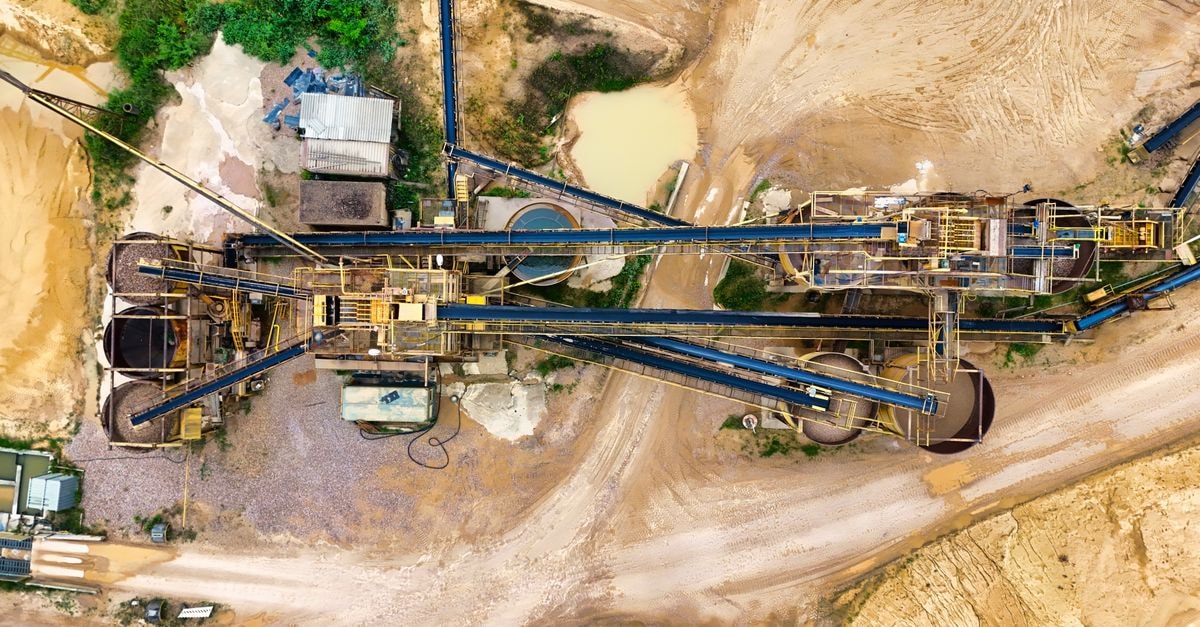
Even if land-access and permitting hurdles clear, analysts say bringing a project of this scale into production is likely to take at least five years. Eurasia Group's Timothy Puko said high prices are attracting junior miners globally, but the infrastructure gap remains the binding constraint. The combination of the 2027 federal deadline, unresolved NASA-related land restrictions and a multi-year development horizon leaves the timeline for replacing Chinese tungsten in US defense and industrial supply chains open.
PLACES IN THIS STORY
Explore the destinations behind this report
China
Beijing
Browse travel guides, places to stay, attractions and local food in Beijing.
Explore Beijing →Beijing Travel Guide: Getting Around and Eating WellShare this article