A practical welcome to Beijing

Beijing is the kind of city that rewards travelers who arrive with a bit of context. The layout is wide and ringed, the pace is unhurried in hutong lanes and electric near the business districts, and the everyday infrastructure — two international airports, a deep metro system, and a national rail platform — makes it surprisingly approachable once you understand how the pieces fit together. This guide keeps the focus where the evidence is strongest: how to move around the city, and how the local food tradition fits into a wider conversation about Chinese regional cooking.
If you are planning a first visit, think of Beijing as a city you navigate rather than walk. Distances between landmarks are real, traffic can be heavy at peak times, and your transport choices will quietly shape every day of the trip. Getting those choices right is half the experience.
Getting around Beijing
Beijing is a transport-rich capital, and a lot of the stress of a first visit disappears once you understand the network. Two airports anchor the city to the rest of the country and connect it to virtually every major Chinese city for domestic travel. That matters for two reasons. First, you have flexibility on which airport you fly into and out of, which can simplify hotel choice. Second, if you are tacking Beijing onto a longer China itinerary, the airport links are a starting point rather than a constraint.
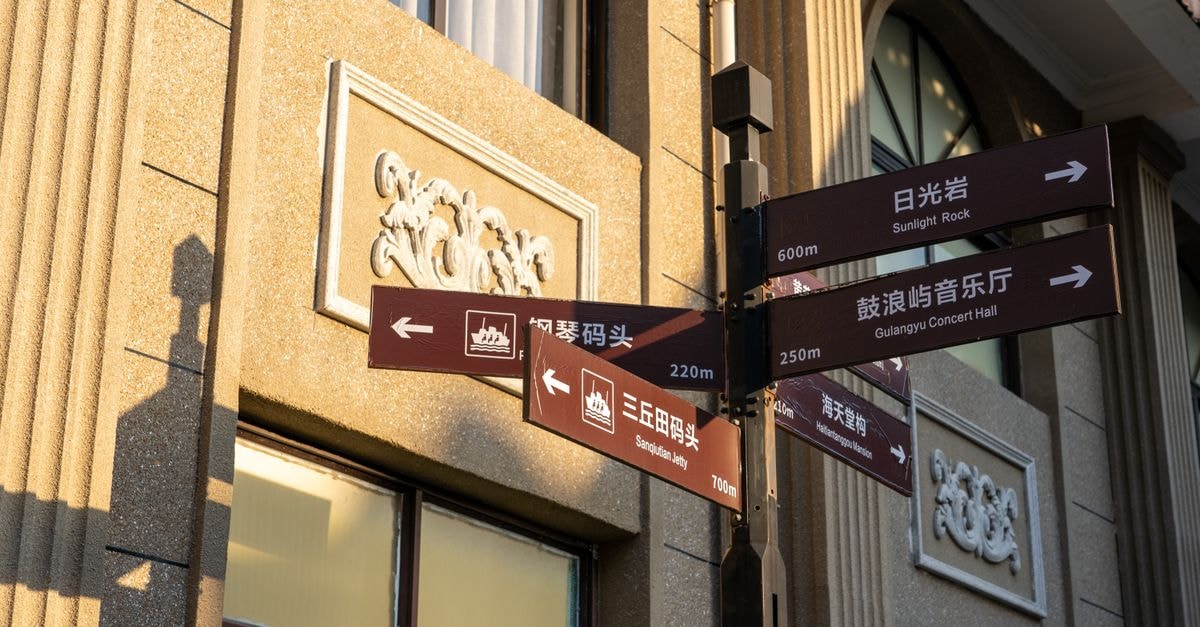
Inside the city, the metro is the backbone. It is dense, well-signed in English at most major stations, and reaches almost every area a traveler cares about — the historic core, the modern shopping districts, the ring roads, and the outer neighborhoods where many business hotels sit. The metro runs on a flat fare structure that locals and visitors use alike, and rush hour is the main thing to avoid if you have luggage or simply want breathing room.
For travel beyond the city, the rail network is the other pillar. The official rail platform, 12306, is the canonical booking channel and now offers a functional English interface, which removes one of the most common friction points for first-time visitors. Trip is a common alternative channel. Either works; the practical advice is to book train tickets in advance around major holidays, when seats genuinely do sell out.
A short note on the Great Wall, since it is on almost every Beijing list. The wall sections outside the city are not metro stops; getting to them requires a bus, a private car, or a tour, and the character of each section is genuinely different. For actual planning — not just transport, but entry tickets, section comparisons, and what each section is actually like to walk — a dedicated Great Wall guide is the smarter resource than guessing from a generic transport page. Treat the wall as a half-day or full-day add-on, not a quick detour.
Inside Beijing itself, expect a mix of metro, taxi, ride-hailing apps, and walking. The city is walkable inside the old ring, less so between distant neighborhoods. A simple rhythm — metro for long hops, walking for hutong exploration, a car for late nights — covers most days.
Food and local context
Beijing's food culture is easy to enjoy and a little harder to pin down, and the distinction is worth understanding before you eat your way through the city.
One anchor is the tradition of meticulous, seasonal preparation. A good example is Du Yi Chu's Shumai, the steamed dumplings the restaurant is known for, where the preparation takes into account seasonal ingredients and a range of flavors. That is a useful lens for the city more broadly: Beijing's classic dishes tend to be careful, considered, and ingredient-aware rather than flashy. Steamed and wheat-based preparations show up constantly — dumplings in many forms, buns, and savory pancakes — alongside the roast duck that international visitors tend to arrive already curious about.
The second thing worth knowing is where Beijing sits in the wider Chinese food map. Official Chinese culinary guidance lists Beijing cuisine among important regional traditions outside the Eight Great Cuisines rather than treating it as one of the canonical eight. That framing helps visitors calibrate expectations. Beijing's food is distinctive — it has its own voice, its own classics, and its own imperial-era influences — but it does not position itself as the loudest cuisine in China. If you arrive expecting the spicy heat of Sichuan cooking or the sweetness of Jiangnan fare, recalibrate. The local register is more restrained, more wheat-led, and more often built around broth, dumpling, and roast traditions.
In practical terms, this means a few things on the ground. First, the city's famous restaurants and the neighborhood spots that serve daily food are both worth your time; the gap between them is smaller in Beijing than in some other capitals. Second, because the cuisine leans on seasonal ingredients, dishes can shift across the year, which is part of the appeal if you are here for more than a few days. Third, treat the food as one regional tradition among several — a satisfying and coherent one, but not the whole story of Chinese cooking. If you travel on to other cities, expect the palate to change.
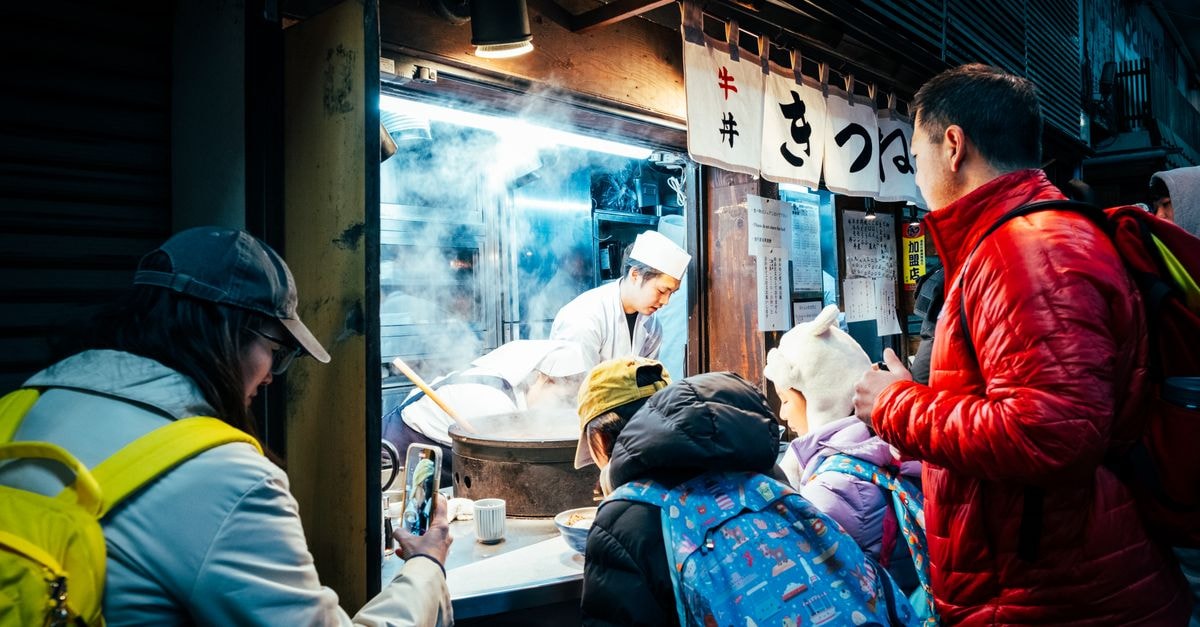
For everyday eating, the rhythm is straightforward: street-side dumplings and noodles for quick meals, sit-down restaurants for the classic preparations, and tea houses or casual spots for slower afternoons. None of this requires special planning beyond a willingness to step into places that do not have English menus — a phone with a translation app closes most of that gap comfortably.
Putting it together
A grounded Beijing visit leans on two habits: using the metro and 12306 with intention, and reading the local food tradition as a regional voice within a much larger Chinese conversation rather than as a checklist of famous dishes. Both of those are small adjustments, but they shift the trip from feeling like a checklist run into feeling like an actual city experience.
Move through the city with patience, eat with curiosity, and let the structure of Beijing's transport and food traditions do the work for you.
A note before you go
Travel conditions change. Transport schedules, ticket availability, and operating details for specific venues should be confirmed through official channels — the 12306 platform for trains, the metro operator for city transit, and official sites for any ticketed attraction — before departure. Treat this guide as a starting frame, not a final itinerary, and verify the details that matter to your specific trip close to your travel date.
Share this article
TOOLS FOR THIS PLAN
Make the Beijing plan measurable
Choose a tool only when it answers the next question in your trip. Your values stay in the browser, and each tool offers a route back to this planning context.