Three billion tonnes of unused iron ore

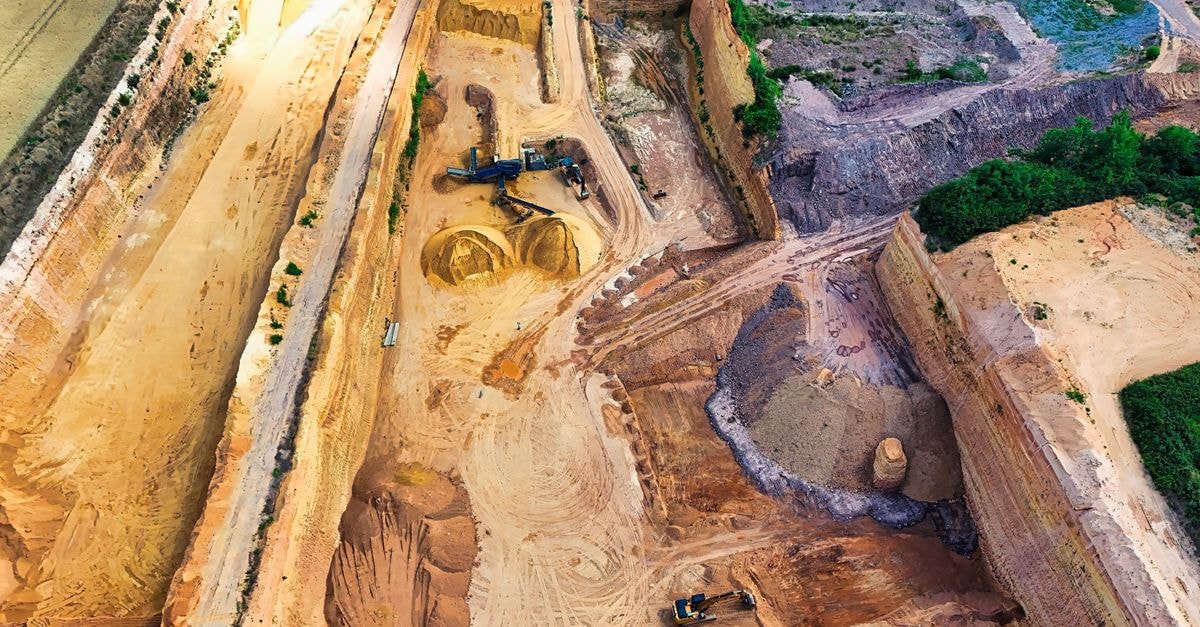
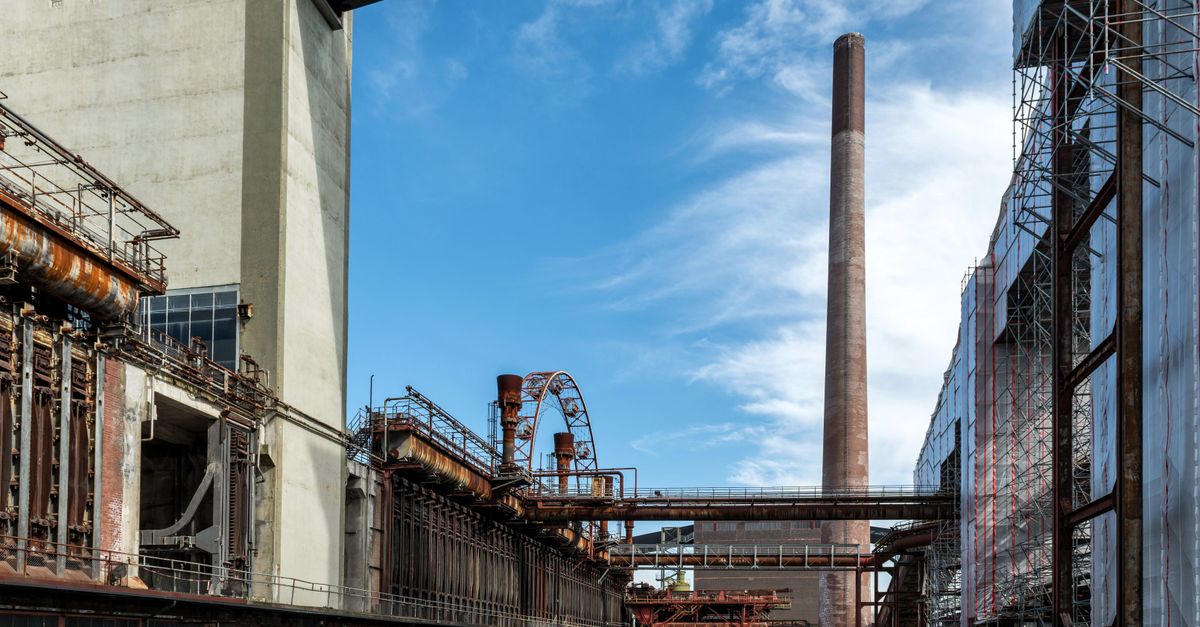
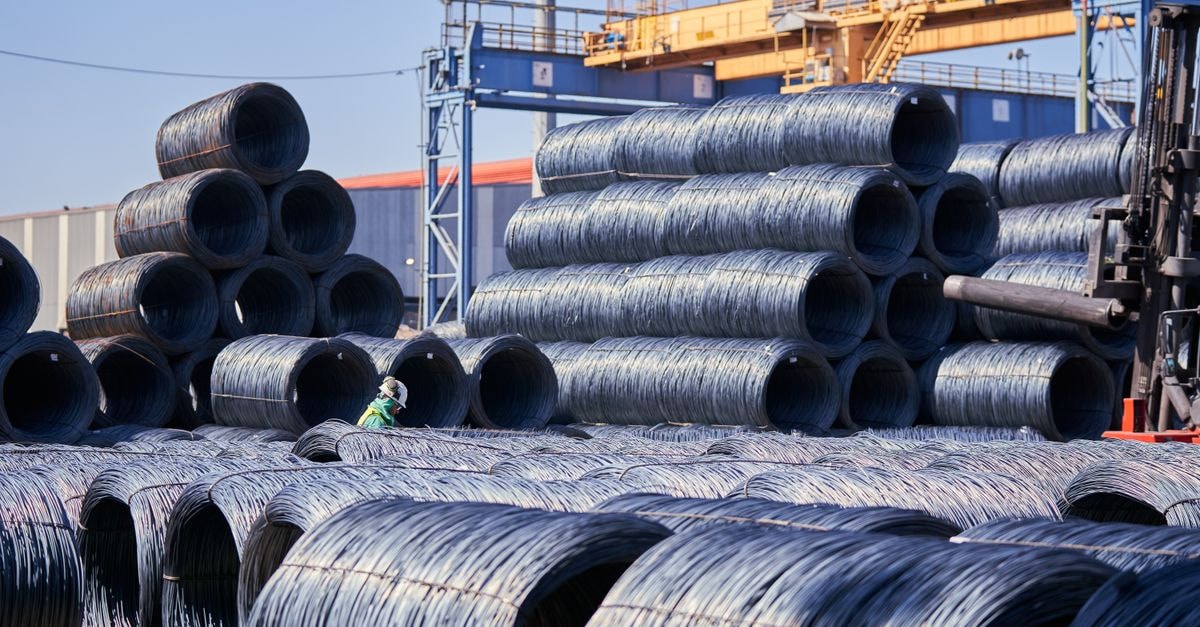
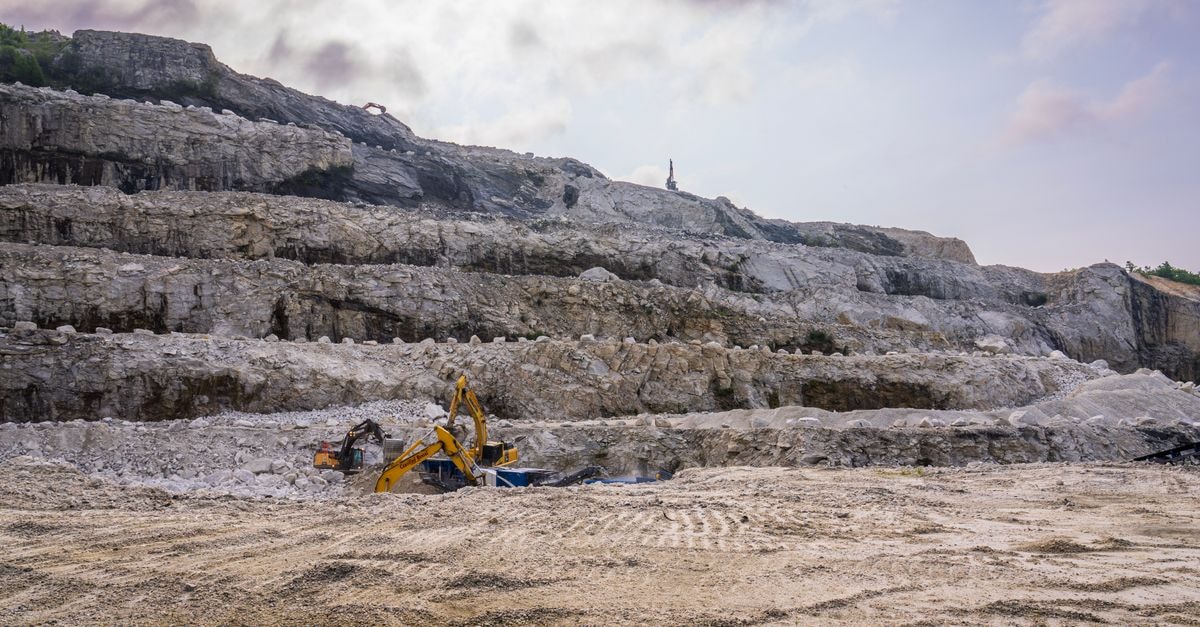
Nigeria holds approximately three billion tonnes of unused iron ore reserves that could provide raw materials for steel production at the Ajaokuta Steel Complex in Kogi State once the plant becomes operational, the National Steel Raw Materials Exploration Agency said on July 27, 2026. The agency's Director-General, Kolawole Ogunbiyi, disclosed the figure recently in Kaduna while speaking on the availability of raw materials for the steel industry. He said the reserves had been announced under a presidential pronouncement, positioning them as the feedstock for the Ajaokuta rolling complex.
Exploration and data gaps remain
Ogunbiyi cautioned that further exploration, laboratory testing, modern geological data and adequate funding remain necessary to properly establish the quality, quantity and commercial viability of the country's mineral resources. Iron ore constitutes about 95 per cent of the raw materials required for steel production, while limestone and coal make up the remaining five per cent. He said the Federal Government had conducted aeromagnetic surveys to identify areas with high prospects for iron ore deposits and guide decisions on the location of steel plants.
Itakpe deposit in focus
Ogunbiyi described Itakpe iron ore as the flagship of Nigeria's steel raw materials, saying its quality and quantity had been subjected to laboratory tests. He explained that the Federal Government had effective collaboration with the Russian government, which worked with geologists in the agency and helped identify the iron ore in Itakpe that is owned and mined by the National Iron-Ore Mining Company. Ogunbiyi said Itakpe's relatively low level of impurities, combined with its quantity, makes it central to the steel value chain.
Ajaokuta bottleneck constrains off-take
Ogunbiyi said iron ore at Itakpe could not be fully mined because there were insufficient off-takers, particularly the Ajaokuta steel plant, which was designed to receive a significant portion of the raw materials. The failure of the steel plant to operate at full capacity has affected the entire chain, leaving proven reserves effectively stranded. He stressed that the steel value chain could not be completed with iron ore alone, underscoring the importance of limestone and coal alongside the ore.
Next milestones
The agency has signalled that follow-up work will focus on completing laboratory validation, expanding geological data, securing reliable off-takers for Itakpe output, and coordinating limestone and coal supply chains ahead of any Ajaokuta commissioning timeline.
Share this article