The June 29 order and its immediate scope

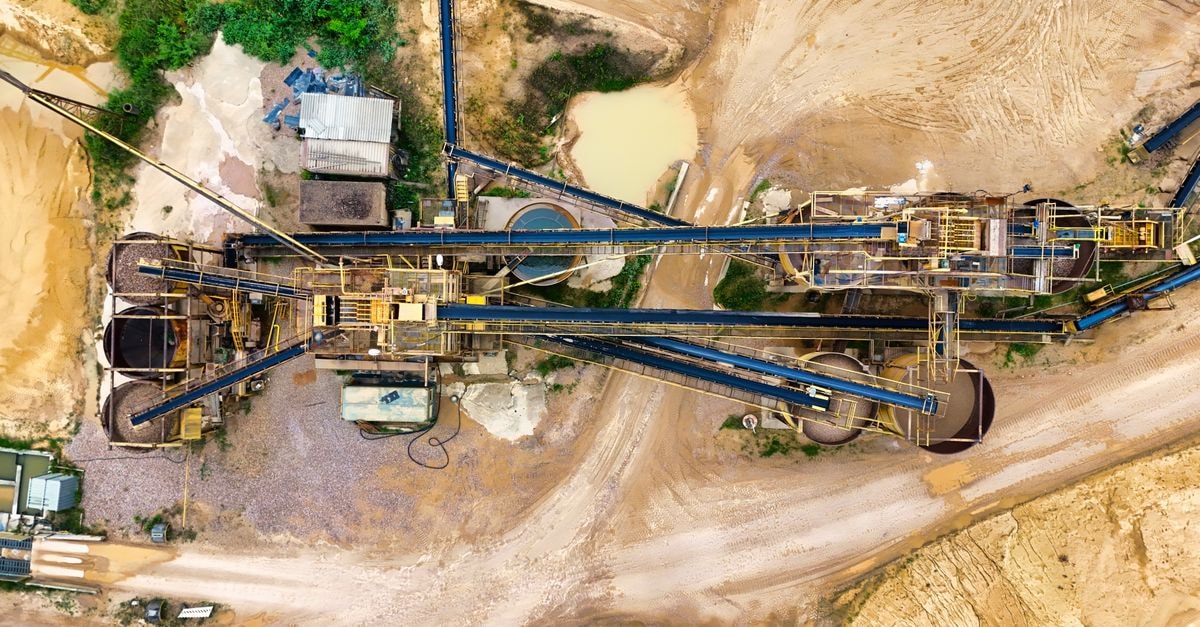
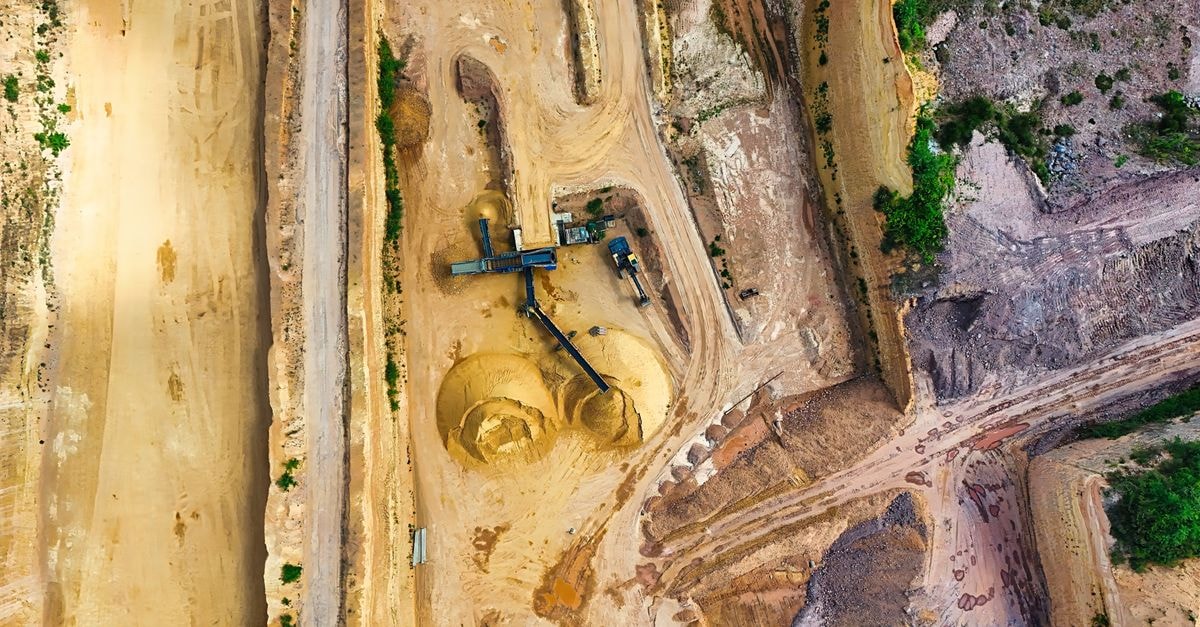
A joint ministerial order dated June 29, reviewed on Thursday, prohibits the export of copper and cobalt concentrates from the Democratic Republic of Congo. The directive was signed by Mines Minister Louis Kabamba Watum, Foreign Trade Minister Julien Paluku Kahongya, and Economy Minister Daniel Mukoko Samba, with operative language stating that "the export of copper and cobalt concentrates is prohibited." The ban took effect immediately upon signing, while a newly introduced tax on economically significant mining by-products carries a three-month transition period. The Mines Minister retains discretion to grant one-year export waivers in "strategic" circumstances, a provision that becomes the focal point for negotiations with major operators.
Where the ban lands in the policy sequence
The concentrate ban extends a Congolese escalation that began with a four-month cobalt export suspension in February 2025, prompted by a supply glut that pushed prices below $10 per pound. That suspension was extended by three months in June 2025 and replaced in October 2025 by an annual quota system capping cobalt exports at 96,600 metric tons for both 2026 and 2027 — roughly 44 percent of the DRC's 2024 production capacity of approximately 200,000 metric tons. The new order abandons the prior separation between the two metals: when cobalt exports were first suspended, officials said curbs would not touch copper. The June 29 directive bans concentrate exports of both metals at once.
Operators most exposed
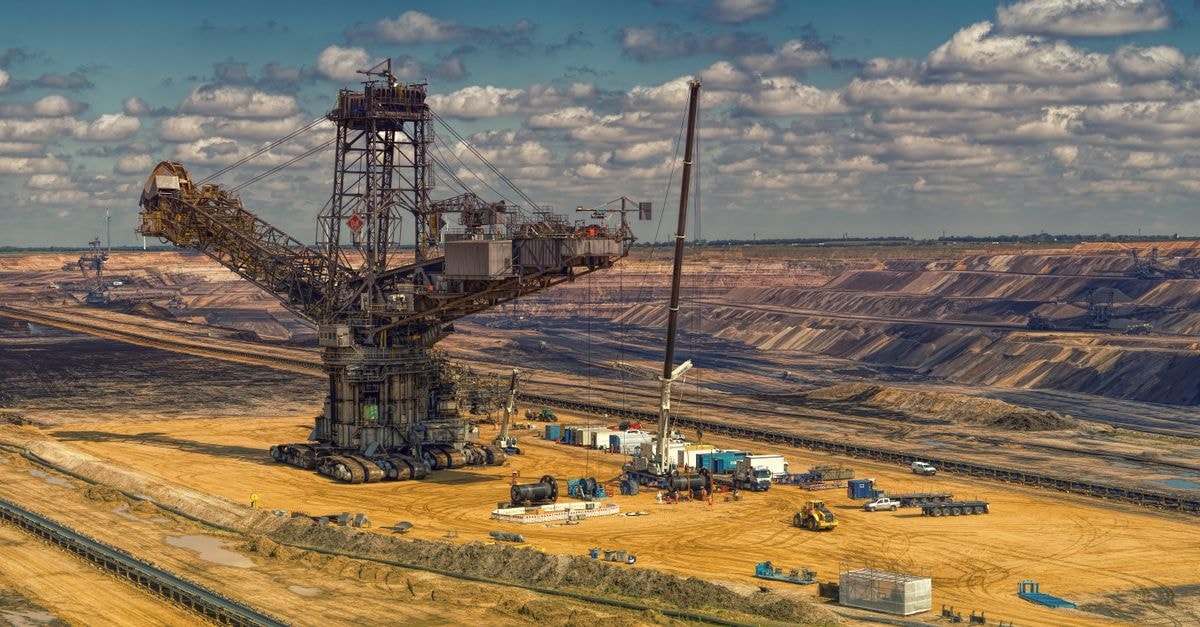
Major operators in the DRC include CMOC — the world's largest cobalt producer — Glencore, Huayou Cobalt, Zijin Mining, Ivanhoe Mines, and Eurasian Resources Group. CMOC's Tenke Fungurume and Kisanfu operations generated record 2025 cobalt production of 117,500 metric tons, a figure that alone exceeds the 96,600-metric-ton annual quota for the 2026-2027 period. Glencore, which broadly accepted the 2025 quota framework as a path to market stability, faces an operational reckoning at its Mutanda mine. CMOC had previously opposed quotas, warning that prolonged restrictions could push battery makers toward cobalt-free chemistries. Neither company had publicly responded to the order as of Reuters' review.
Market conditions the order lands on
Copper Treatment and Refining Charges had already plunged to as low as minus $78.50 per metric ton on spot markets in April 2026, before any Congolese concentrate went off the market. Cobalt prices climbed more than 120 percent — and according to Fastmarkets data cited in one account, more than 160 percent — from early-2025 lows of roughly $20,000–$21,500 per metric ton to approximately $55,000–$56,300 per metric ton by early 2026, with cobalt hydroxide more than quadrupling over the same period. Copper has traded near record levels this year on demand from AI data centers, electrification and electric vehicles, even as declining ore grades and mine disruptions elsewhere have tightened global supply. The DRC accounts for roughly 70 percent of global cobalt supply and ranks as the world's second-largest copper source after Chile.
What the new rules do not change — and what remains uncertain
The October 2025 quota system governs finished cobalt hydroxide and metal, not the raw concentrate now targeted by the June 29 order. That distinction leaves the interaction between the two regimes unresolved in public reporting. Commodity researcher CRU estimated that Congolese miners were sitting on stockpiles exceeding 200,000 tons of cobalt intermediate product even after restrictions took hold, suggesting the country's physical scarcity is less severe than its export rules imply. For EV manufacturers using NMC battery chemistry, the price surge has directly increased input costs; for those that had shifted to cobalt-free LFP — which surpassed NMC in global EV deployments for the first time in 2025 — the impact has been more muted. Whether Gecamines' minority joint-venture partners, CMOC and Glencore, will seek one-year waivers or redirect concentrate into domestic processing remains to be determined.
Share this article