August 17, 986 CE · Bulgaria · The mountain pass holds

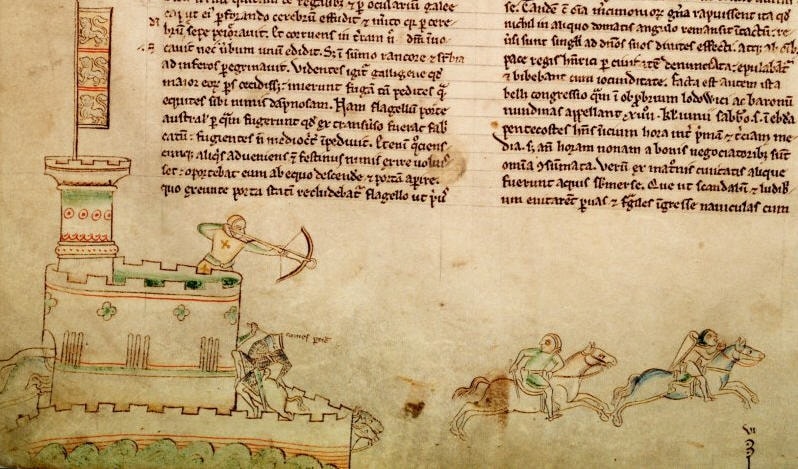
The Battle of the Gates of Trajan unfolds in Bulgaria, where the Comitopuli brothers Samuel and Aron face the Byzantines under Emperor Basil II. The mountain stronghold seals shut, and Basil barely slips from the trap, his army broken at the narrow defile.
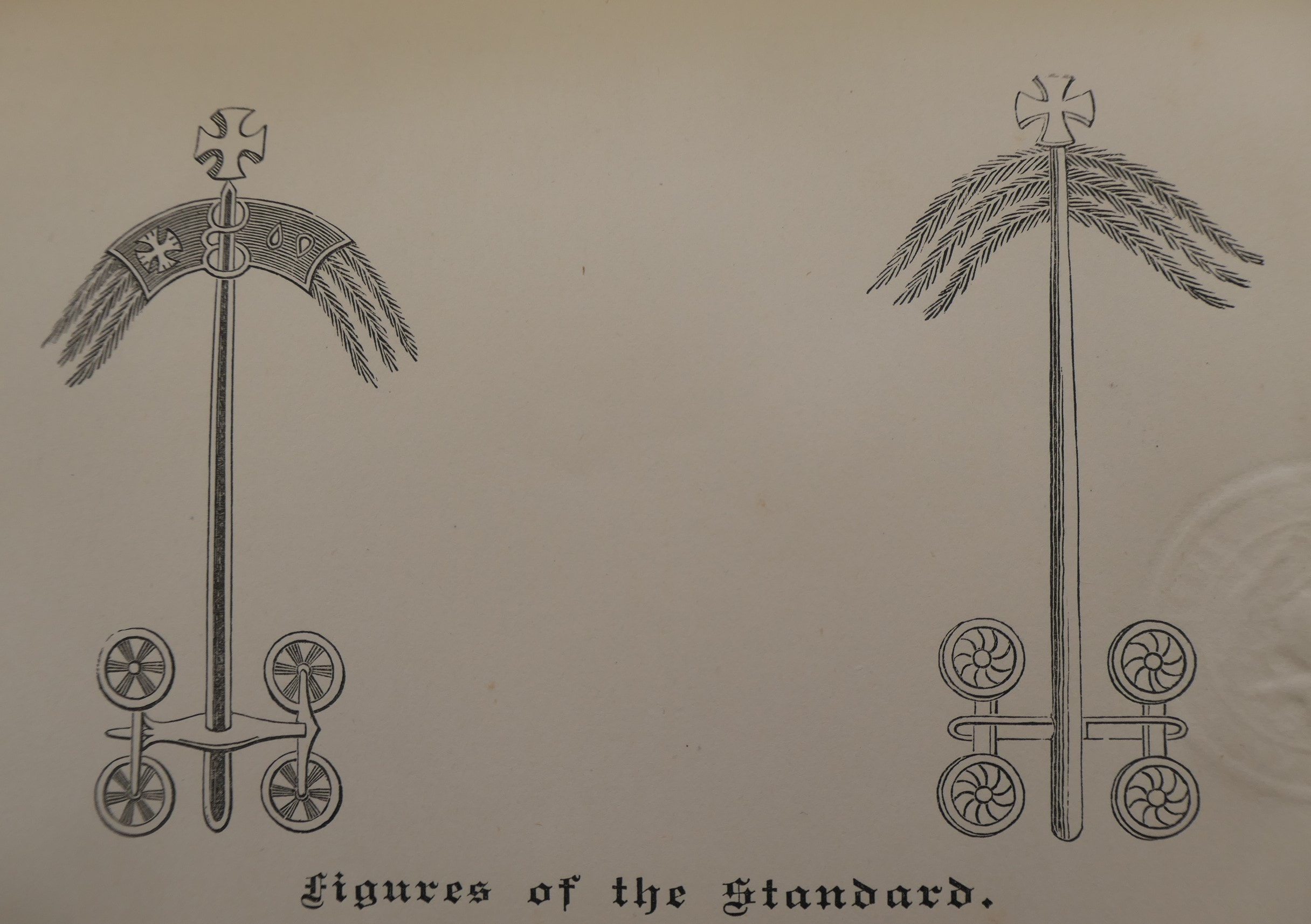
The horn call splits the dawn mist off the rock walls. I crouch behind a lichen-crusted boulder, my fingers wrapped around the hilt I have carried since spring. My orders are simple: watch the gorge, count the banners, report the dust. Below, the Byzantine column has stopped. Their helmets glitter, but their formation tightens too late. Our brothers have sealed the upper pass with felled pines and rolling boulders. Somewhere ahead, the brothers lead the charge. The eagle standard of Basil II is visible in the center, and the trap closes with a crash of wood and metal up the slope. A rider breaks free, spurring hard for the southern gap. The dust swallows him. Whether he is the Emperor or merely an officer, I cannot tell. I remain crouched, listening as the shouts turn to wailing.
August 17, 1186 CE · Austria · Wax cools on parchment
The Georgenberg Pact is sealed in Austria at Enns Castle, where the sickly Ottokar IV of Styria hands his duchy to Leopold V of Austria and his son Frederick. Austria and Styria are bound as one, with the Styrian rights inscribed below.
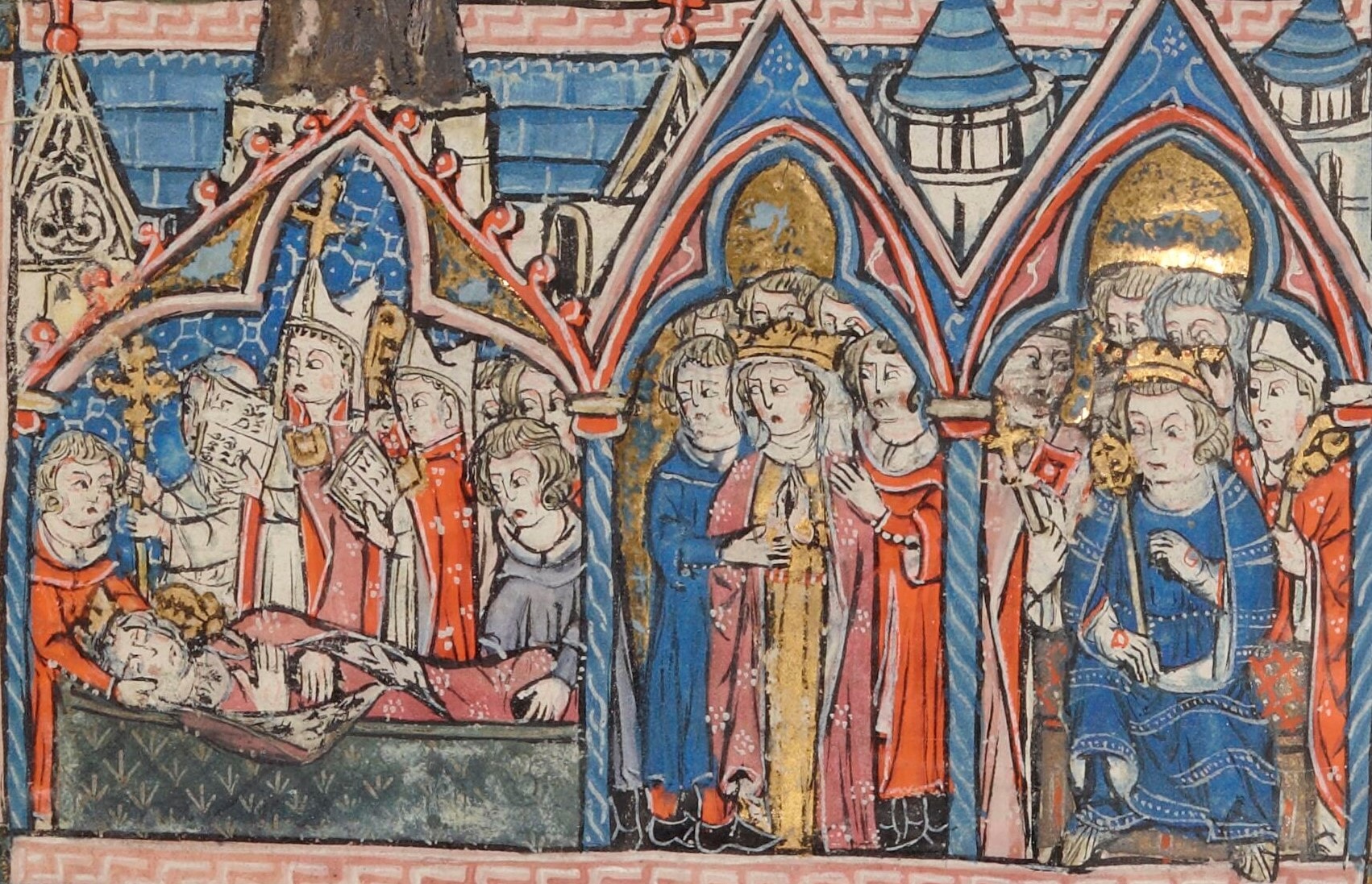
My quill scratches the last flourish before the witnesses arrive. The table has been scrubbed, two candles set to soften the beeswax, and a small bowl of water steams beside the parchment. Duke Leopold has already mounted the steps, his cloak still smelling of road dust. Duke Ottokar follows, slower, leaning on a striped cane, the marks of his illness plain on his hands. His voice sounds thin when he speaks. I dip, I write, I blot. The room fills with clerks and a bishop I recognize by his miter. The second clause — the rights of the Styrian ministeriales — is dictated at length. Whether every line holds true under the new lords of Styria, I cannot say. The chest of copies is carried out into the August heat.
August 17, 1386 CE · Italy · Salt wind on the Adriatic
Karl Topia, the Albanian prince, forges an alliance with the Republic of Venice in 1386. Italy's Adriatic trade now runs under the Prince's banner, Karl pledging his forces to the Republic's wars in exchange for coastal defense against the Ottoman advance.
The galley nudges the stone quay, and I step down into the warm dust. Across the breakwater, the banners of Karl Topia hang beside the Lion of Saint Mark. Armed men move between them — Albanian lords in short cloaks, Venetian envoys in damask caps. I unload a small chest of pepper, count the guards. The barrels of tar I was told to leave sealed are rolled to a roofed shed. A priest crosses himself twice at the water's edge. A boy carries a sealed letter under his cap; I do not know its contents. The harbor looks different today — more oars, more horses, a long line of couriers riding inland at sunset. Whether the coastal villages sleep under firmer shields tonight, I cannot tell. The wind shifts, and the lantern smoke bends toward the cliffs.
August 17, 1424 CE · France · English lances in the corn
The Battle of Verneuil in France sees an English force under John, Duke of Bedford, defeat a larger French army led by Jean II, Duke of Alençon, John Stewart, and Archibald, Earl of Douglas. The English hedge holds through the long summer afternoon.
The hedge of sharpened stakes bites into the mud where the cornfield ends. I kneel behind it, my bowstring pulled to my ear, and wait for the signal horn. Across the trampled field, the French banners — Alençon, Stewart, Douglas — waver in the late heat. They outnumber us, by the captain's own muttering, but the dust keeps lifting from their ranks. A volley goes out from our line. Feathers hiss. The first rank buckles. Then a wedge of men-at-arms breaks for the left flank, and our hedge catches them. I loose another shaft. The air smells of trampled rye and hot iron. Our Duke rides along the back of the line, his face unreadable beneath the helm. By dusk, the field is ours, the prisoners being roped in long files. I stay where I am, listening to groans fade into evening.
August 17, 1488 CE · Finland · Ink drying by the cathedral
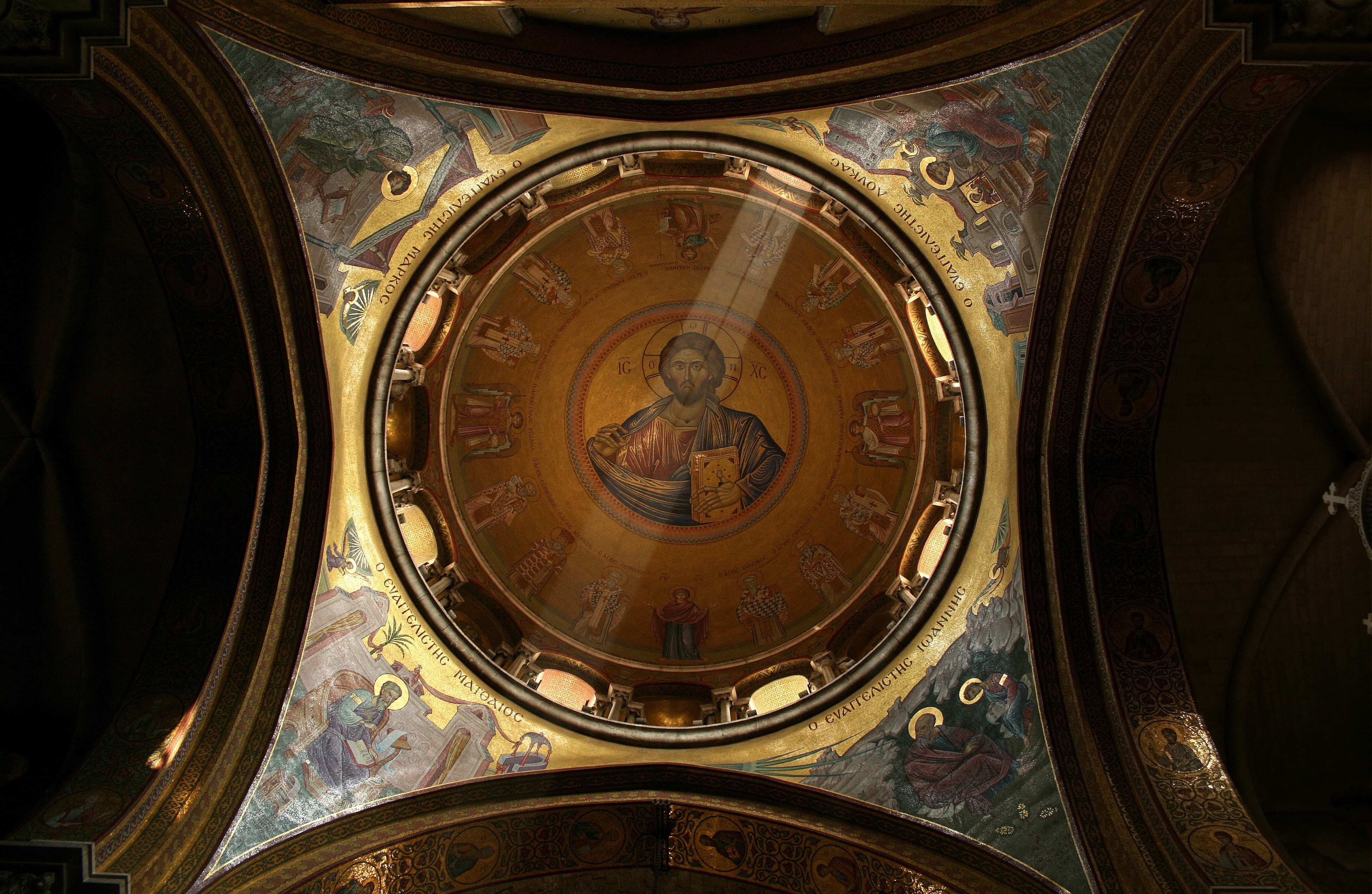
In Finland, a date is added to the List of bishops of Turku as Bishop Konrad Bitz signs his preface to the Missale Aboense, the oldest known book of Finland. The cathedral workshop pauses as the red chapter marks dry and the binding cords are trimmed.
The candle stub has burned down to a thumb's width since matins. I sit at the long table beside the window, mixing vermilion with egg yolk for the initial letter, while the bishop dictates the final lines of his preface. He speaks slowly, pausing for me to blot. Outside, the smell of river water drifts up from the Aura. A novice carries in a fresh quill. The Missale lies unbound before us, the parchment still smelling of lime and scraping. Konrad Bitz dips his own pen in iron gall and writes the day at the top of the page. I do not know if anyone outside this room ever copies what we set down. I only know the workshop is quiet, the bishop's hand steady, and a small bird tapping at the leaded glass. I keep mixing, keep listening.
August 17, 1668 CE · Turkey · The morning the ground walked
The 1668 North Anatolia earthquake strikes Turkey in late morning, a magnitude near 8.0 centered on the southern shore of Ladik Lake. Walls crumple from Bolu in the west to Erzincan in the east, and roughly 8,000 lives are lost to the shaking.
The clay wall of the oven cracks before the sound reaches us. Then a long roar rolls up from the south, and the floor jumps beneath my feet. I lunge for the doorframe as the roof beams groan sideways. Stones fall in the alley. The chickens burst out of the coop in a white feathered storm. A neighbor drags her child past, her veil torn. The shaking lasts longer than any I remember — long enough for the well bucket to slosh itself dry and the minaret above the street to bend, then drop. The dust settles slow. I count the houses still standing on my lane: three of nine. Men are already pulling at the wreckage with bare hands. I move toward the rubble, listening for a voice from beneath. The ground still trembles under my boots.
Share this article