August 21, 1140 CE · China · Song riders return through morning dust

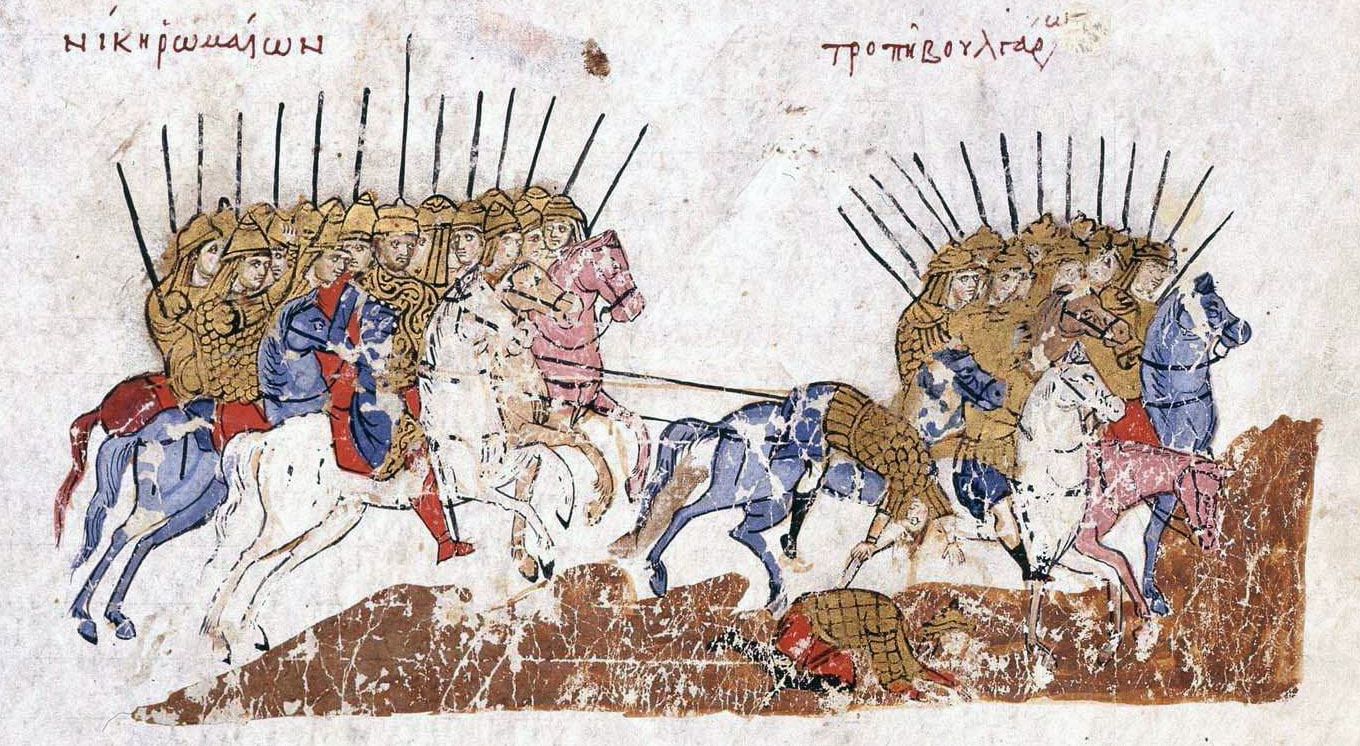
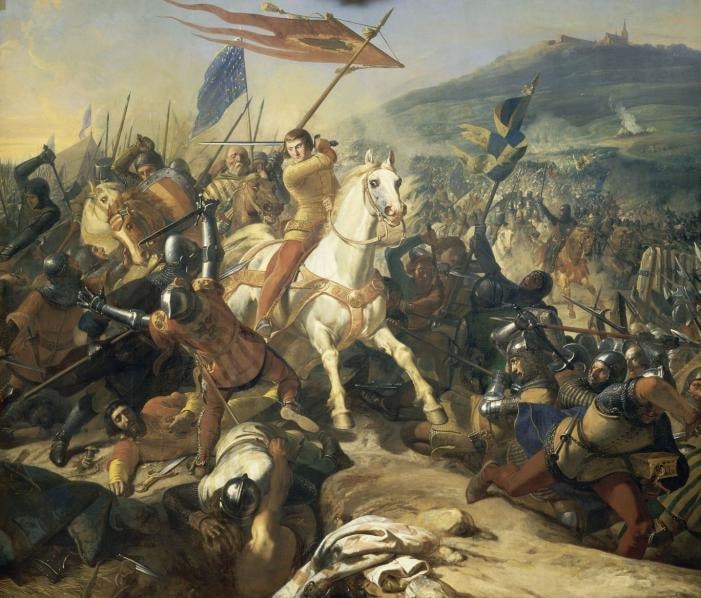
At Yancheng on the North China plain, the Song dynasty general Yue Fei has routed an army led by Jin general Wuzhu in the Jin–Song Wars. China lies in the wake of clashing cavalry, the recorded outcome a Song victory. Dust hangs above the field as horns sound recall.
I kneel by the embers of last night's rice pot, my ladle blackened, listening to the horns. The Song army moved at first light and returned before noon, dragging prisoners and loose horses behind them. I was sent to set up the cook line at the rear, beyond the supply carts, while the vanguard closed on the Jin positions near Yancheng. The smell now is wrong — iron, horse sweat, something sharper. Three soldiers stumble past with a captured banner. No one stops to eat. The general sits his horse on the rise, helmet dented, watching his men count the dead. I scrape congealed rice into bowls no one will claim. The Jin riders are gone or are buried where they fell. I do not yet know how complete this victory is, or what comes next from the Jin court. My hands keep moving. The wind shifts the smoke toward the river.
August 21, 1192 CE · Japan · Court attendants line the corridor
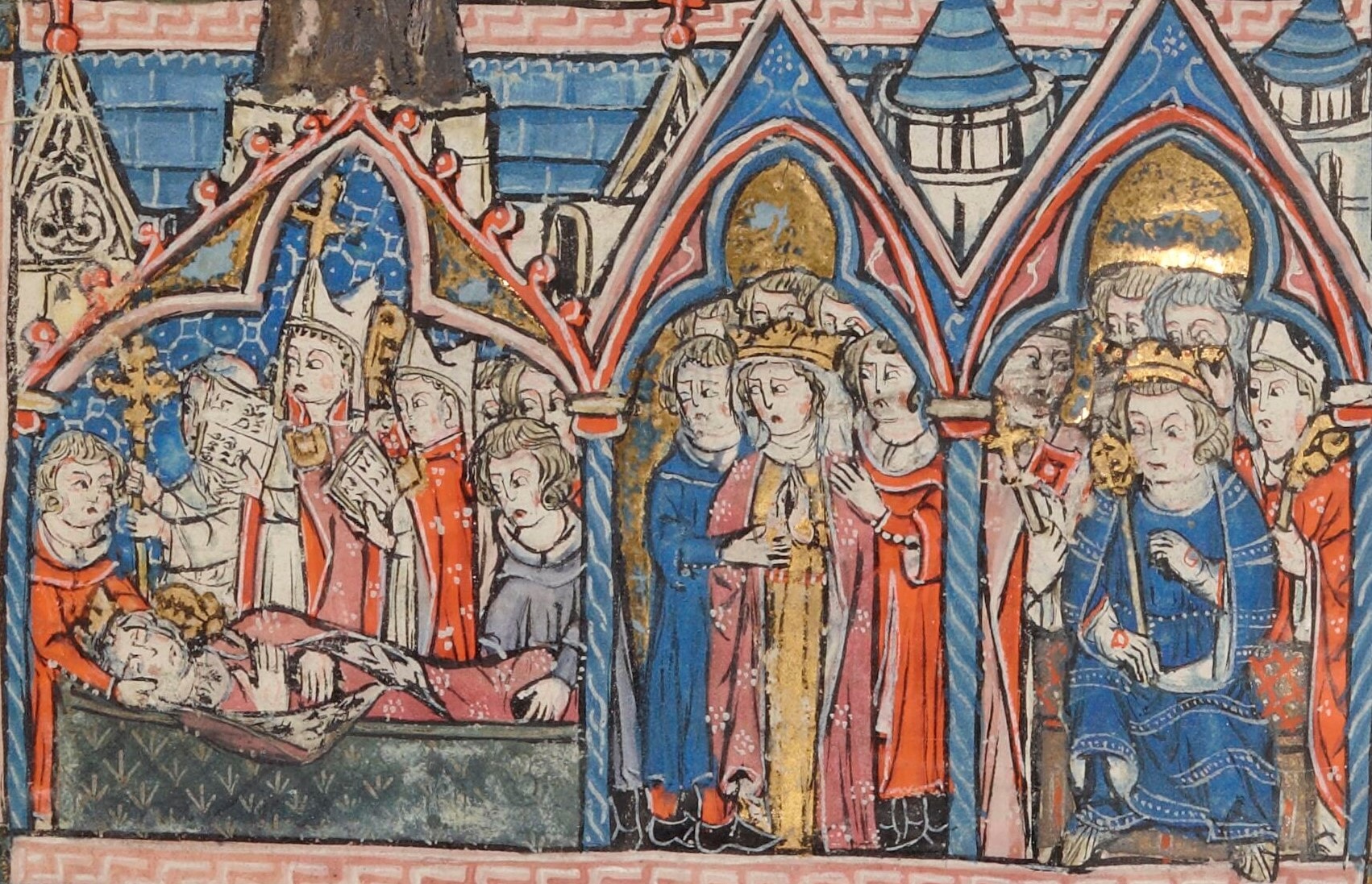
At Kamakura in Japan, Minamoto no Yoritomo accepts the title Sei-i Taishōgun and becomes the de facto ruler of Japan. The recorded outcome is the formal recognition of his supremacy after the Genpei War. Courtiers bow as the new order is sealed in ceremony.
I carry the lacquered tray across the polished floor, eyes lowered, the weight of the sake cups trembling in my wrists. The great hall in Kamakura is hushed. Along the walls stand warriors in stiff hakama, hand on hilt, watching the man they have followed for years take the title Sei-i Taishōgun. He stands on the dais, expression unreadable, silk draped across his shoulders. I kneel. The cups are lifted, the words spoken. Outside, gulls call and oars slap against the bay. I do not yet know how much weight this single phrase carries — shogun, de facto ruler of Japan. The Minamoto have fought the Taira for half my life. My brother never came home from Dan-no-ura. Today the war ends in ink and ritual rather than on a beach of blood. I set down the tray and listen for the next command. My knees ache.
August 21, 1415 CE · Portugal · Crusader banners rise above Ceuta walls
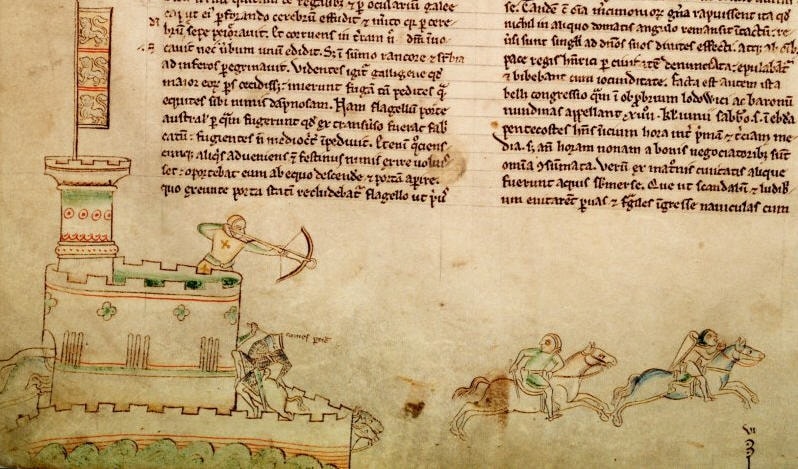
Across the Strait of Gibraltar, Prince Henry the Navigator has led Portuguese forces to victory over the Marinids at the Conquest of Ceuta. Portugal now holds a foothold on the North African coast. The recorded outcome is a Christian capture marking the start of Atlantic exploration.
I grip the rope ladder against the wall of Ceuta, sea wind biting my face, the crossbow at my back clinking with each rung. We came in the caravels through the pre-dawn dark, oars muffled. The Marinid sentries never called out. Now my lord's standard flutters above the gatehouse, red and white, and the streets run with shouting men. I am not a knight, only a squire to one of the captains, here to carry, to hold, to fetch water and wine. The smell is sharp — sandalwood from a smashed shop, fear-sweat, dust. Through an arch I catch sight of Prince Henry himself, calm on a borrowed horse. Behind him lie the bodies of those who held this coast before today. I do not yet know what Portugal intends to do with this foothold. The pilots at home already speak of lands far to the south. I lean against the warm stone and wait for my next order.
August 21, 1673 CE · France · Burning deck planks pop in the spray
Off the Texel shoals in the North Sea, the Dutch fleet has defeated an Anglo-French fleet commanded by Prince Rupert of the Rhine. France and England retreat under fire, their ships scattered. The recorded outcome is a clear Dutch victory in the Third Anglo-Dutch War.
I crouch low behind the salt-pork barrel as the deck pitches, my hair full of smoke and the taste of powder. The ship beside us has her back broken, mizzen dragging in the swell. We served under Prince Rupert, French colors and English colors mixed on the same halyards, and we thought the Dutch would not stand. They stood. Their fireships came in chains, and now the sea around us is a forest of broken masts. I have no sword. I am the cook's boy, useful only to fetch, to scrub, to carry powder to the gun captains. A man shouts in French, then in English, and no one answers alike. The rudder shivers under my palm. I do not know if Rupert is still afloat, or whether any of our line survives the morning. I duck as another Dutch gun speaks across the water.
August 21, 1716 CE · Turkey · Ottoman pickets pull stakes from the trenches
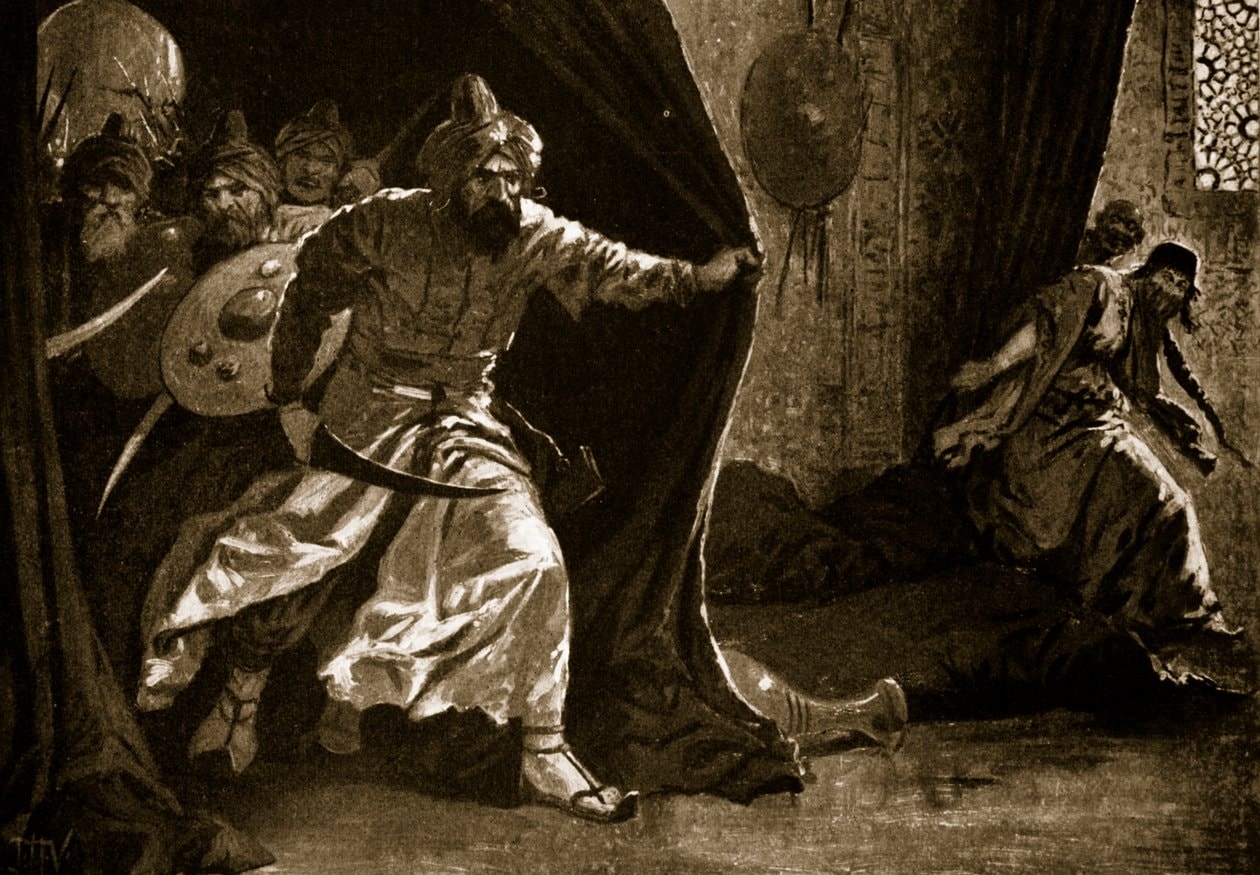
Before the walls of Corfu, Ottoman forces have abandoned their siege of the Venetian-held fortress. Naval reinforcements and news of the Battle of Petrovaradin have forced a withdrawal during the Seventh Ottoman–Venetian War. The recorded outcome is the Ionian Islands remain under Venetian rule.
I pull the linstock from the cold embers of our last firing and watch the embers gutter in the salt wind. We have dug three lines of trench before the Venetian walls of Corfu, and now my officer says we strike them. The news came by rider at dawn — Petrovaradin has gone against us, and Christian sails thicken the strait to the south. I am only a gunner, low-born, brought from Anatolia for this campaign. My hands smell of oil and rust. Across the rubble, Venetian flags stir on the citadel. They know. I shoulder the linstock and walk past the empty bomb-shelters where the women sold us bread yesterday. The Ionian Islands, they say, remain beyond our grasp. I do not know how far we must march, or whether another siege awaits us at the year's end. I follow the column toward the boats.
August 21, 1862 CE · Austria · A groundskeeper unchains the Stadtpark gates
In Vienna, Austria, the Stadtpark, Vienna — the city's first municipal park — opens its gates to the public. The recorded outcome is a new green space stretching from the Innere Stadt toward the Landstraße district. Visitors in Sunday clothes drift beneath newly planted lime trees.
I unhook the chain from the new iron gate and step aside as the first couples walk in. My name is in the city payroll as a groundskeeper, and I have spent the spring raking paths, rolling gravel, and training the lime saplings along the Wienfluss bank. Today the Stadtpark is no longer a work yard. The statues have been wiped down, the benches oiled, and the Kursalon terrace gleams white in the morning sun. I stand by the gate, cap in hand, and watch a mother lift her child toward the Schubert bronze. An old man tips his hat to me as if I were a dignitary. I am only a laborer with dirt under my nails. I do not know who else might come today — workers, students, soldiers on leave. I push the gate wider. The gravel whispers under their boots.
PLACES IN THIS STORY
Explore the destinations behind this report
Japan
Kamakura
Continue with our current travel guide to Kamakura.
Explore Kamakura →Austria
Vienna
Browse travel guides, places to stay, attractions and local food in Vienna.
Explore Vienna →A Slow Vienna Travel Guide: Cafés, Palaces and Smart TransitShare this article