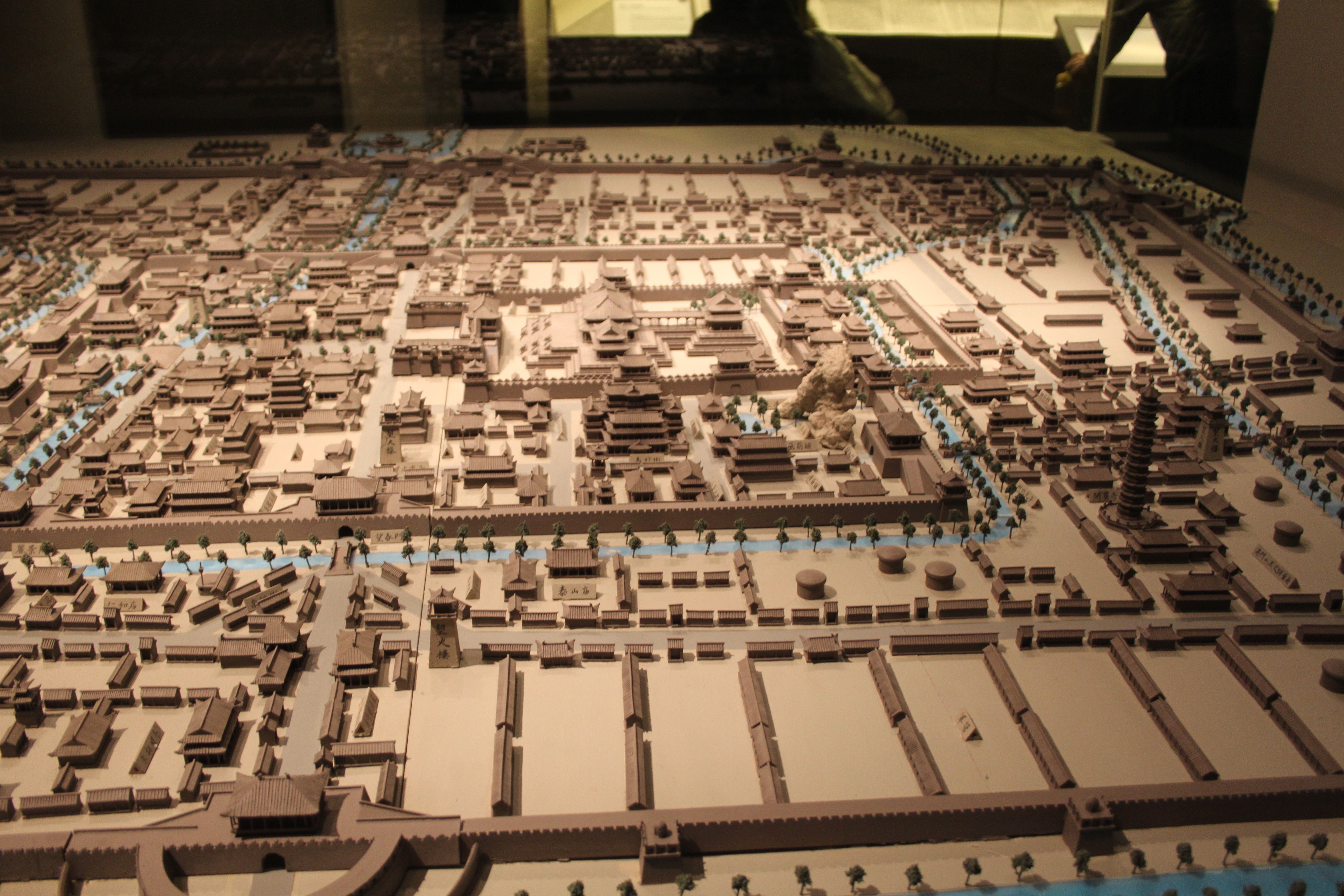
August 19, 295 BCE · Italy · Smoke curls above a marble threshold

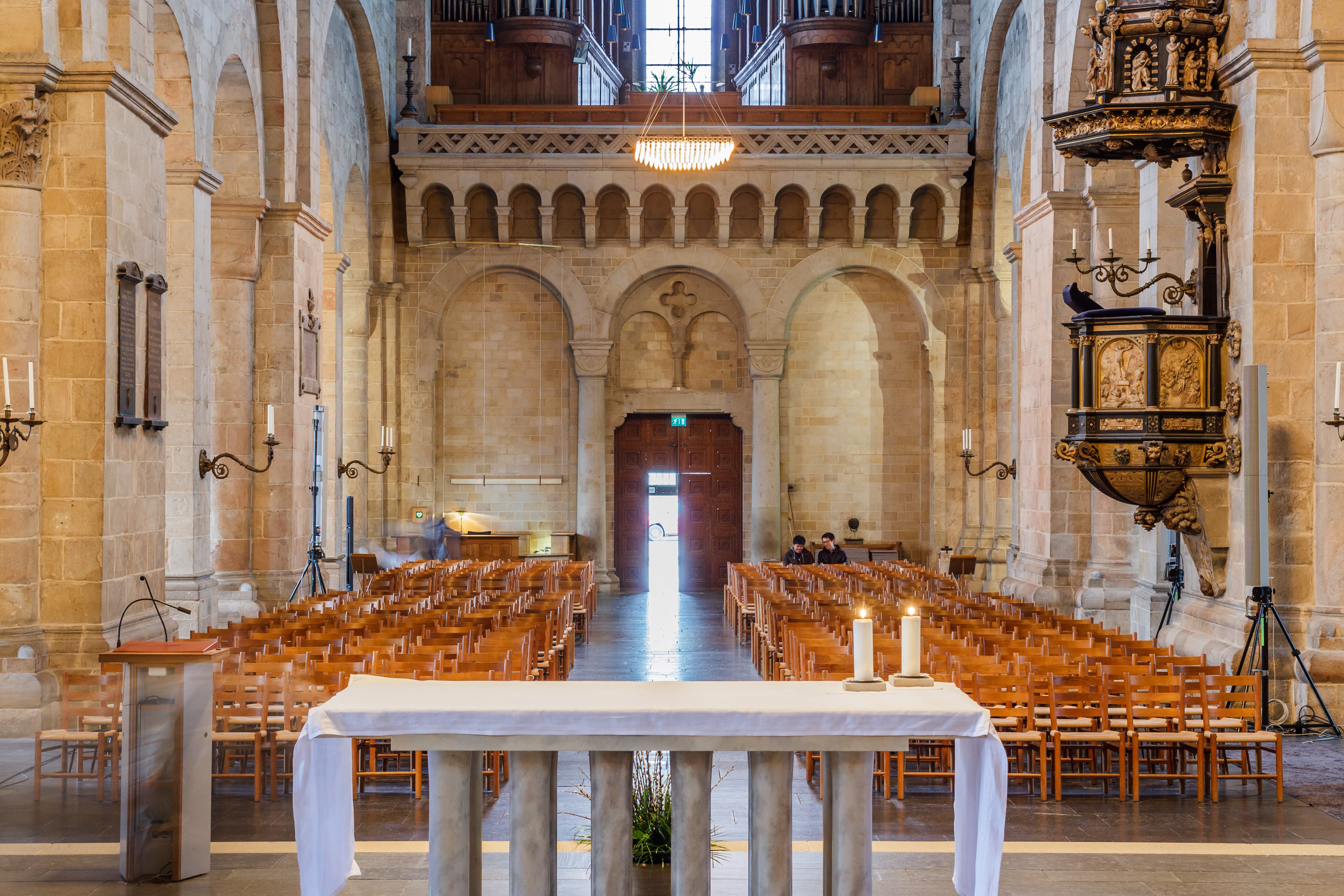
The first temple to Venus (mythology), the Roman goddess of love, beauty and fertility, is dedicated in Italy during the Third Samnite War. Quintus Fabius Maximus Gurges officiates over a raw new altar; incense, libation water, and the dust of an unfinished military campaign frame the moment.
In Italy, Venus (mythology) is unfolding. The first temple to Venus, the Roman goddess of love, beauty and fertility, is dedicated by Quintus Fabius Maximus Gurges during the Third Samnite War.
The marble is still warm from the morning sun. I kneel beside the door of the new temple with my smoothing stone, working a flaw from the threshold. Behind me the priests chant in a meter I never learned. Quintus Fabius Maximus Gurges stands at the altar in a tunic washed of road dust, cupping a libation bowl. The square smells of pine pitch and young goat blood. His sandals leave red specks on the new flags. He pours water from a clay jug onto freshly dressed stone. The air thickens with incense. I rub harder. Somewhere to the south, the Samnite enemy is still in the field. Inside this unfinished courtyard, Venus, the Roman goddess of love, beauty and fertility, has just received her first house. My tools clink against the step. Tomorrow the next slab arrives. Whatever god listens to this man tonight, I hope she is kind.
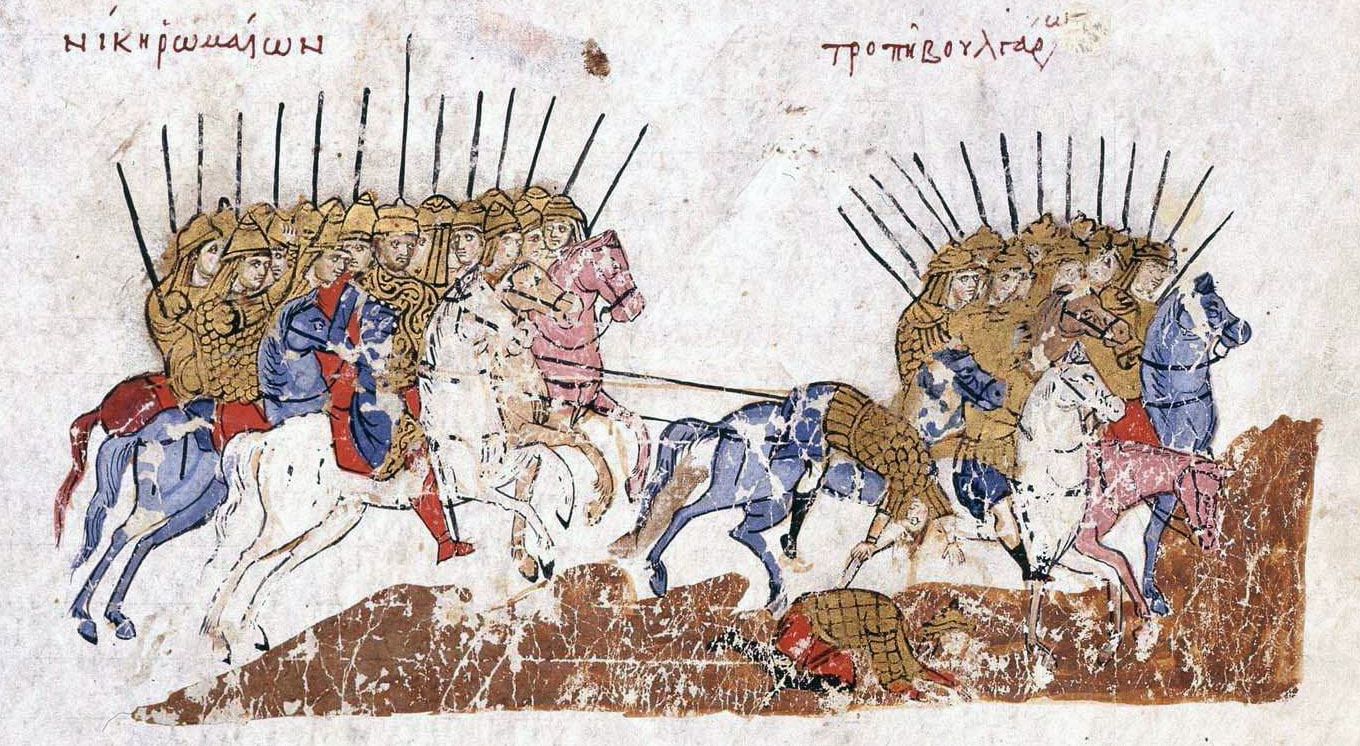
August 19, 1153 CE · Israel · Stones topple from a besieged wall
After a six-month siege, Baldwin III of Jerusalem captures Ascalon, obtaining a vast amount of plunder and securing the southern border of the Kingdom of Jerusalem. The Crusader king moves through a breached gate while his soldiers take possession of a conquered city.
In Israel, Baldwin III of Jerusalem is unfolding. After a six-month siege, Baldwin III of Jerusalem captures Ascalon, obtaining a vast amount of plunder and securing the southern border of the Kingdom of Jerusalem.
The dust shakes from the ceiling again. I press the bronze inkwell to the table so it will not roll. My hand is not as steady as it was before the siege started. Six months ago Baldwin III set his camp outside the walls. My brothers and I have kept the lamps lit in the small chapel near the eastern gate. Today the outer wall is breached. Iron-shod boots scrape the courtyard. A Frankish sergeant in a leather coat pushes through our door, demanding water. I pour it. He does not look cruel. He looks tired. Outside, somewhere in the market, the king is supposed to be entering the city. Inside the walls, the southern border of the Kingdom of Jerusalem passes into his hand. I do not know if the new master will let me keep my old scrolls, or if the plunder the army gathers in Ascalon will leave us enough flour to last the winter. I set down my quill. The ink pools.
August 19, 1561 CE · France · A young queen walks toward the gangplank
Mary, Queen of Scots, aged 18, returns to Scotland after spending 13 years in France. In a French harbor, the young widow leaves the country that raised her, sailing home to a realm of unfamiliar faces, contested religion, and unfinished alliances.
In France, Mary, Queen of Scots is unfolding. Mary, Queen of Scots, aged 18, returns to Scotland after spending 13 years in France.
I wring the last cloth into the bucket. The cart behind me is piled high with travel linens bound for the royal galley. Mary, the young queen who grew up in our court, walks past on the stones today. Eighteen summers on her shoulders, and the eyes of a woman who has buried a husband. The sailors shout for her to board. She pauses near my cart, and her lady leans over for a clean kerchief. I have one ready. I press it into the woman's hand. The wind from the channel carries salt and herring. When her ship weighs anchor, I will fold the empty cart home. I was a girl when she came to France as a child. Thirteen years are stitched into these linens. I do not know what kind of queen Scotland will give her back. She crosses the plank. The deck lifts. I wipe my hands on my apron.
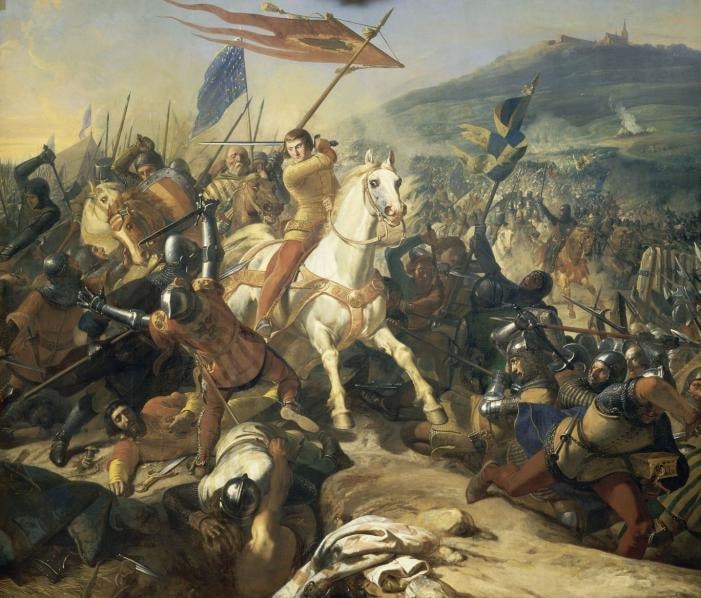
August 19, 1604 CE · United Kingdom · A Flemish harbor opens its gates
The Eighty Years War sees a besieging Dutch and English army led by Maurice of Orange force the Spanish garrison of Sluis to capitulate. After long weeks of starving and entrenchment, the gates of the harbor town swing open while Dutch and English colors rise above the walls.
In United Kingdom, Eighty Years War is unfolding. Eighty Years War: a besieging Dutch and English army led by Maurice of Orange forces the Spanish garrison of Sluis to capitulate.
I empty the shovel and wipe my forehead with my sleeve. Long weeks of salt pork and digging have brought us nearer to the Spanish lines. Today the wind carries something I have not smelled in months: bread baking from inside the town. The Dutch officers ride up to our trench at dawn. They tell us the garrison is about to capitulate. I should be joyful. Instead I am tired. Maurice of Orange is supposed to receive the keys at noon. I sit on the lip of the trench and pick lice from my shirt, slowly. A captain shouts that there will be plunder enough to settle every debt I owe in London. I do not believe him until the colors finally run up. The gate groans. A little boy runs out first, then a woman with a wet bundle in her arms. I lower my shovel.
August 19, 1666 CE · Netherlands · Saltpeter glows along the dunes
Rear Admiral Robert Holmes leads a raid on the Dutch island of Terschelling during the Second Anglo-Dutch War, destroying 116 to 160 merchant ships in an act later known as 'Holmes's Bonfire'. Along the sand, the silhouettes of blazing hulls replace the usual lantern lights of the village harbor.
In Netherlands, Second Anglo-Dutch War is unfolding. Second Anglo-Dutch War: Rear Admiral Robert Holmes leads a raid on the Dutch island of Terschelling, destroying 116 to 160 merchant ships, an act later known as "Holmes's Bonfire".
My hands smell of fish and ash both this morning. The raid comes in the second watch of the night. Rear Admiral Robert Holmes, they say, the English name written in our burned timbers. I count the masts from the dune path and lose count at forty. The warehouses on the quay are open like cracked teeth, their oil and pitch feeding the wind. I have dragged three children and a goat into a milk cellar beneath the dunes. My husband is out at sea somewhere. I do not know if his ship was among the 116 to 160 merchant vessels burning along this coast. A sheepdog limps past us carrying a smoked flitch in his teeth. The whole island stinks of tar. I cannot tell which houses are mine. I climb the dune one more time to look.
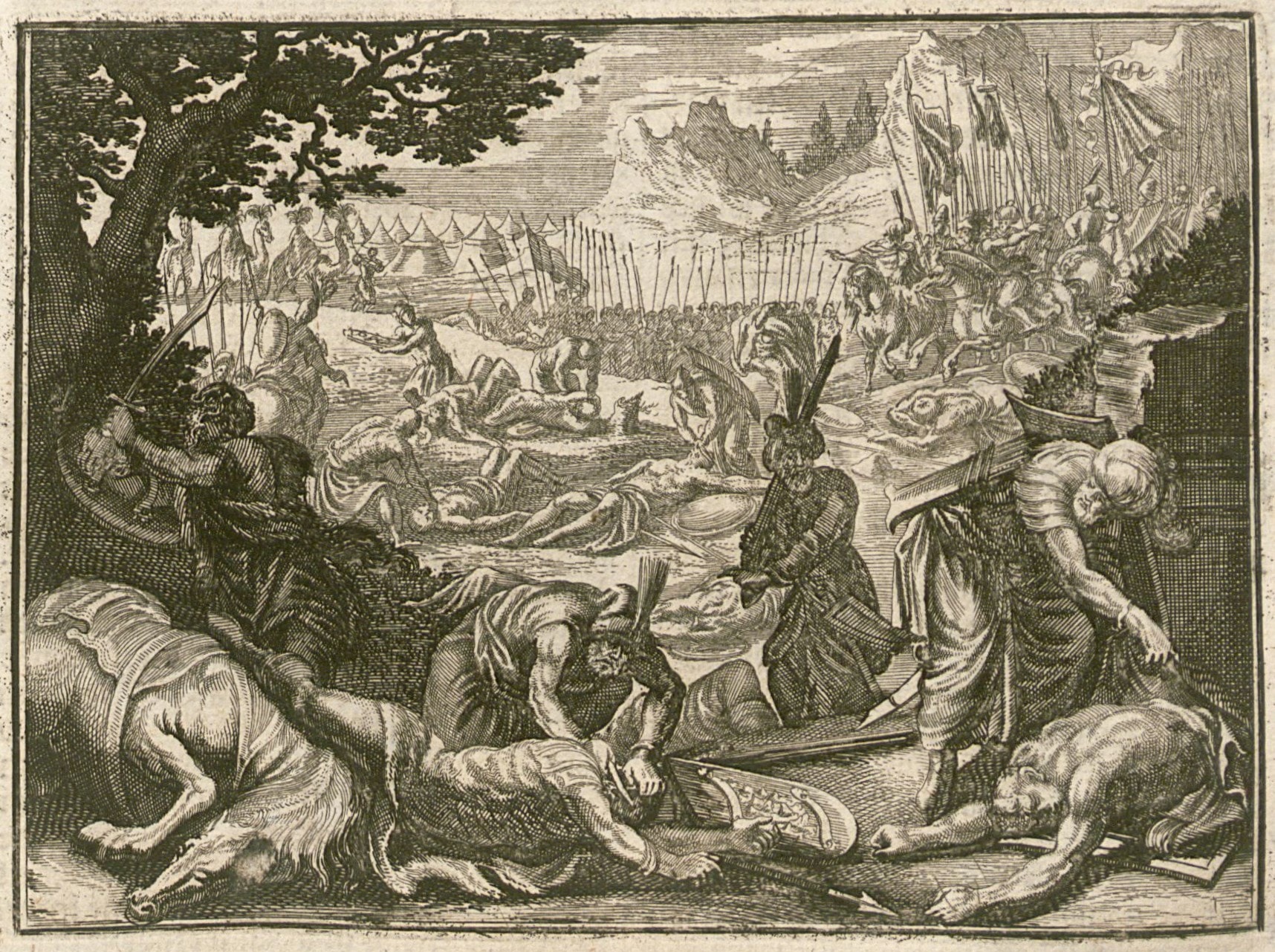
August 19, 1745 CE · Iran · Scorched dust rises on the road to Kars
In the Battle of Kars during the Ottoman–Persian War (1743–46), the Ottoman army is routed by Persian forces led by Nader Shah. Cavalry reserves plunge into retreating Turkish formations; shaken prisoners are herded back across a plateau of burned grass.
In Iran, Ottoman–Persian War (1743–46) is unfolding. Ottoman–Persian War: In the Battle of Kars, the Ottoman army is routed by Persian forces led by Nader Shah.
I brush the sweat from my horse's neck and wait. The slopes above Kars are still quiet on our side, but to the south the dust twists the wrong way. Nader Shah has thrown his last reserve at the Ottoman center. I am only a groom with a bucket of water and a currycomb, but the noise from the south tells me what a rout sounds like. The Persian cavalry comes back at a slow trot first, then faster. A young officer rides past without a turban, blood on his chin, grinning. He says the Ottoman army has been broken. I offer him the bucket. He drinks, throws a copper coin into the dust, and rides on. Along the ridge, the heads of the captives are being counted. Somewhere north of here, the road lies open. The grass where I stand is blackened. I have not yet dared to take my horse back to the river.
PLACES IN THIS STORY
Explore the destinations behind this report
Israel
Jerusalem
Browse travel guides, places to stay, attractions and local food in Jerusalem.
Explore Jerusalem →A Thoughtful Jerusalem Travel Guide for Slow, Curious VisitorsShare this article