IIHS safety comparison

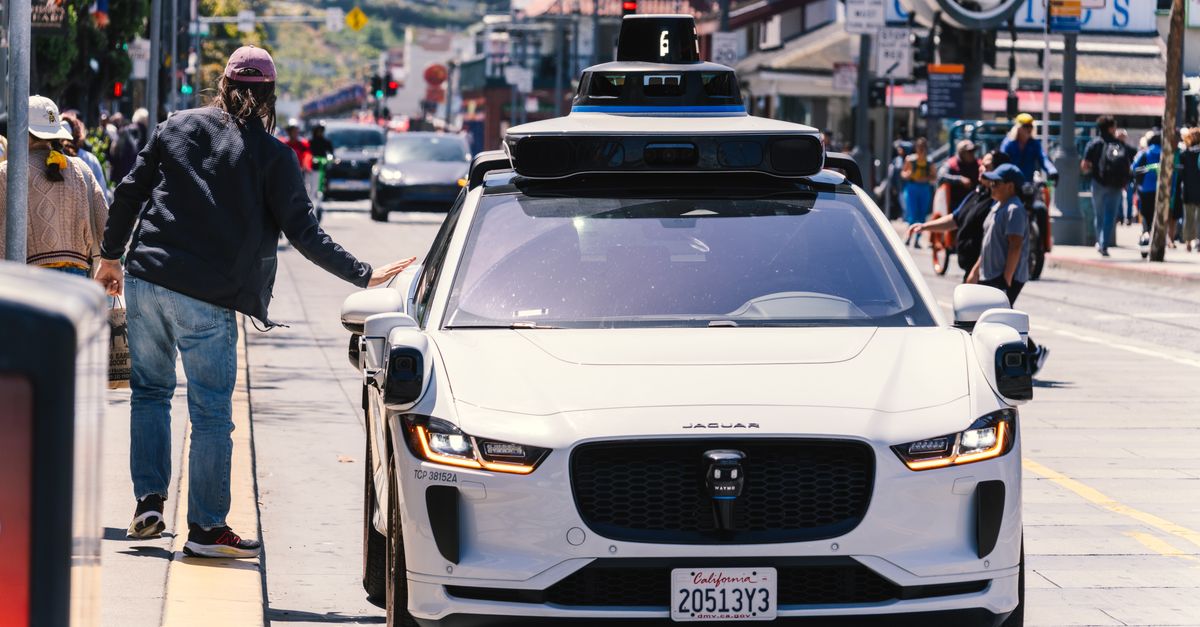
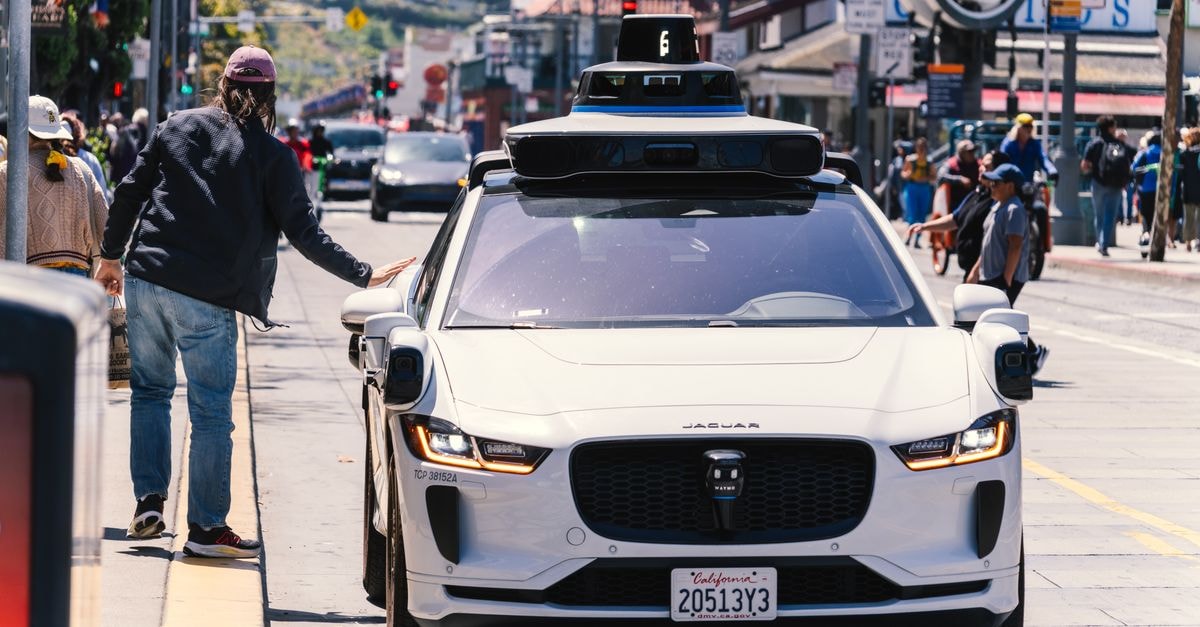
The Insurance Institute for Highway Safety published an independent report comparing state and federal crash data with incident reports from major autonomous vehicle companies in Los Angeles, Phoenix, San Francisco, and Austin. To improve the accuracy of its conclusions, the AV sample was limited to collisions to which police would normally respond. The study concluded that Waymo's driverless taxis are involved in 68 percent fewer crashes than humans overall, and that driverless car crashes are generally less severe.
Waymo vehicles experienced 85 percent fewer single-vehicle crashes per mile than human drivers and 81 percent fewer crashes resulting in injury, according to the IIHS. The driverless cars also rear-ended other vehicles 91 percent less often than human-operated vehicles in the comparison.
City-by-city results
Waymo's safety record varied by city. The fleet performed best in Phoenix, where its crash rate was 76 percent lower than that of human drivers. In Los Angeles, Waymo recorded 71 percent fewer crashes, while in San Francisco the gap narrowed to 35 percent fewer. Coverage noted that the smaller San Francisco gap may reflect inconsistencies around police reportability as a metric rather than underlying performance differences.
Waymo response
A Waymo spokesperson said the company welcomed the new IIHS research, stating that it confirms Waymo's previous peer-reviewed analyses and reinforces the significant safety benefits of the Waymo Driver. The new report corroborates Waymo's previous claim that its fleet is less prone to collisions than humans.
Critics argue the human-driver bar is too low
Coverage of the report argued that the human-driver safety bar itself is inadequate. The IIHS study's scope is limited to collisions and does not account for dangers caused by Waymo vehicles parked in bike lanes, passing school buses, or blocking emergency vehicles. A separate report cited in the coverage found that Waymo vehicles spend nearly 15 percent more time driving empty than Uber and Lyft vehicles with drivers, adding tens of thousands of vehicle miles traveled to roads daily. Todd Litman, executive director of the Victoria Transport Policy Institute, said drivers are killed at 10 times the rate of transit drivers, arguing that public transit vastly outperforms cars, autonomous and not, on safety. The coverage also referenced several high-profile incidents, including a 2018 Uber test vehicle fatality in Tempe, Arizona, a 2023 Cruise incident in which a robotaxi dragged a pedestrian 20 feet after she was struck by a human driver, and a Waymo crash earlier this year involving a 9-year-old child in a school zone in Santa Monica, California.
Investor focus on autonomous driving
Investor attention to the autonomous driving sector continued, with The Motley Fool publishing a same-day prediction that one autonomous driving stock would be a better long-term buy than Tesla. The article's specific stock recommendation was not fully captured in available reporting.
Share this article