Waymo ends exclusive Uber arrangement in two markets

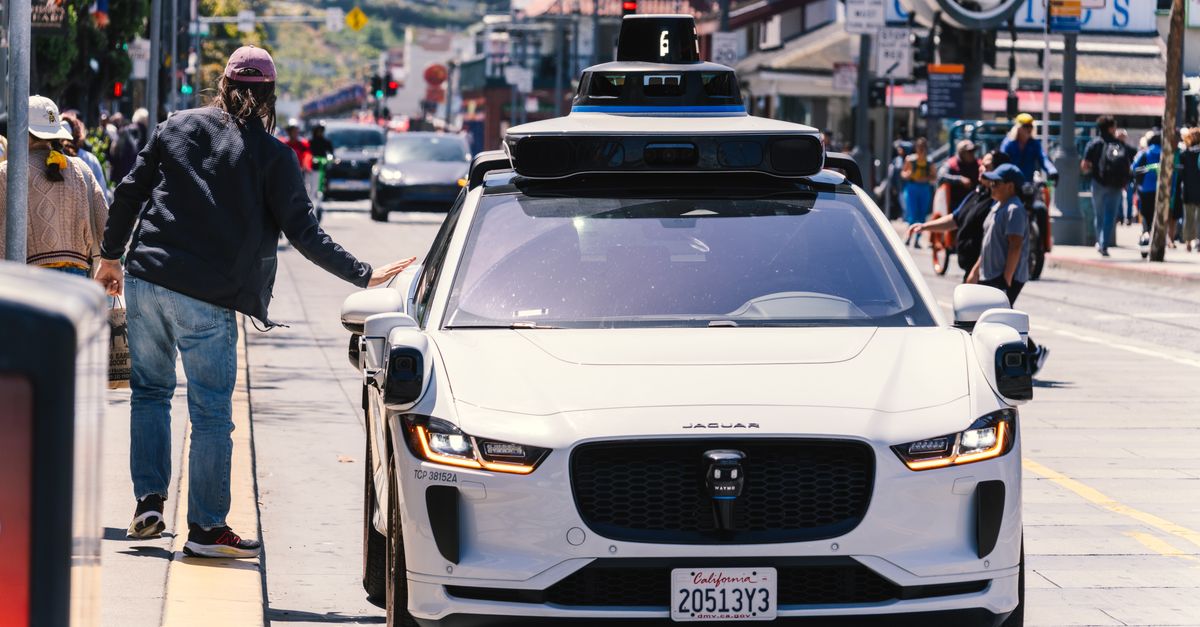
Waymo has notified Uber that it plans to launch its own robotaxi app in Austin and Atlanta in January 2028, ending an exclusivity arrangement that has kept its vehicles available only through Uber in those cities. An Uber spokesperson confirmed the notice to CNBC and Bloomberg on Friday. The existing contract keeps Waymo's current fleet on the Uber app through at least May 2028, so riders will not see an immediate change in service.
Waymo has not announced a new Uber city since launching the Atlanta service with Uber last June, choosing instead to expand through its own app into six additional markets. The company now operates in 11 US metro areas without Uber, delivering more than 500,000 paid rides per week.
Uber shares slide as contingency plans face scale gap
Uber's shares fell more than four percent to close below $66, their lowest level in more than a year, after the notice became public. The stock has fallen roughly 20 percent this year, according to Bloomberg data cited in the reporting, driven in large part by investor anxiety that Waymo's growth will erode the business that turned its first annual profit in 2023.
Uber has been building a contingency strategy, investing in autonomous competitors including Avride and Nuro, alongside a deal worth more than a billion dollars for up to 50,000 Rivian-built robotaxis. None of those partners operates at Waymo's scale, and several will not have vehicles on the road until late this year or later.
Frustrations surfaced through safety incidents and economics
Behind the public statements, Uber had grown frustrated with Waymo on multiple fronts, citing what it described as unsustainable economics, persistent safety problems, and a failure by Waymo to be forthcoming about incidents, according to Bloomberg reporting. Documented issues include robotaxis driving into flooded roads despite a software recall, illegally passing school buses in Austin, and dozens of empty vehicles circling a cul-de-sac in Atlanta in May, which Waymo attributed to Uber's routing. Uber said it learned about the school bus incidents through media reports rather than through the companies' own reporting channels.
The split follows last month's quiet exit from Phoenix, where the partnership had run for nearly three years. Lyft CEO David Risher described his company's own Waymo deal last November as a "situationship," acknowledging that Waymo holds the leverage in any partnership because it controls the vehicles, software, and rider relationship. The Financial Times first reported that Waymo was exploring options to exit the partnership entirely.
IIHS study finds Waymo crash rates well below human drivers
Separately, an Insurance Institute for Highway Safety study reported that Waymo's fully driverless vehicles were involved in 68 percent fewer police-reportable crashes per vehicle mile traveled than human drivers across four US cities. The research analyzed autonomous vehicle crashes between 2021 and 2024, comparing Waymo's fleet with conventional human-driven vehicles operating in the same locations.
During the study period, Waymo's fully driverless fleet accumulated approximately 50 million miles of autonomous driving, equivalent to about 80 million kilometres of driverless operation. Crashes per million vehicle miles were 4.06 for human drivers and 1.28 for Waymo vehicles, according to CBC. Waymo's vehicles also experienced 85 percent fewer single-vehicle crashes and 81 percent fewer injury crashes than human-driven vehicles.
City-level results and conflicting research
Safety performance varied across the four cities studied. Phoenix recorded 76 percent fewer crashes involving Waymo, Los Angeles 71 percent fewer, and San Francisco 35 percent fewer, while Austin showed a 4 percent higher crash rate that researchers said was based on too small a sample to be conclusive. IIHS director of statistical services Eric Teoh told CBC News that Waymo vehicles were involved less often than human-driven vehicles in crashes causing injuries or fatalities, and described the types of crashes as less egregious. IIHS president David Harkey said the results demonstrate that driverless vehicles can outperform human drivers, who remain vulnerable to distraction, fatigue, impairment, and other human errors.
Researchers cautioned that current crash reporting systems make it difficult to compare autonomous vehicles with human drivers accurately, since companies are generally not required to disclose how many miles their vehicles travel or whether those miles were autonomous. A separate report from Sam Schwartz's research program at Hunter College and Open Plans argued that Waymo taxis cause more fatal crashes and injuries per mile than for-hire vehicles in New York City. Waymo spokesperson Ethan Teicher questioned that team's methodology and criteria for serious injuries, saying meaningful safety analysis requires apples-to-apples data and cautioning against extrapolating Waymo's performance from one place to another.
PLACES IN THIS STORY
Explore the destinations behind this report
United States
Austin
Browse travel guides, places to stay, attractions and local food in Austin.
Explore Austin →Austin Travel Guide: Planning Tips, Costs and Things to DoUnited States
Atlanta
Continue with our current travel guide to Atlanta.
Explore Atlanta →Share this article