China weighs export controls on AI models and semiconductors

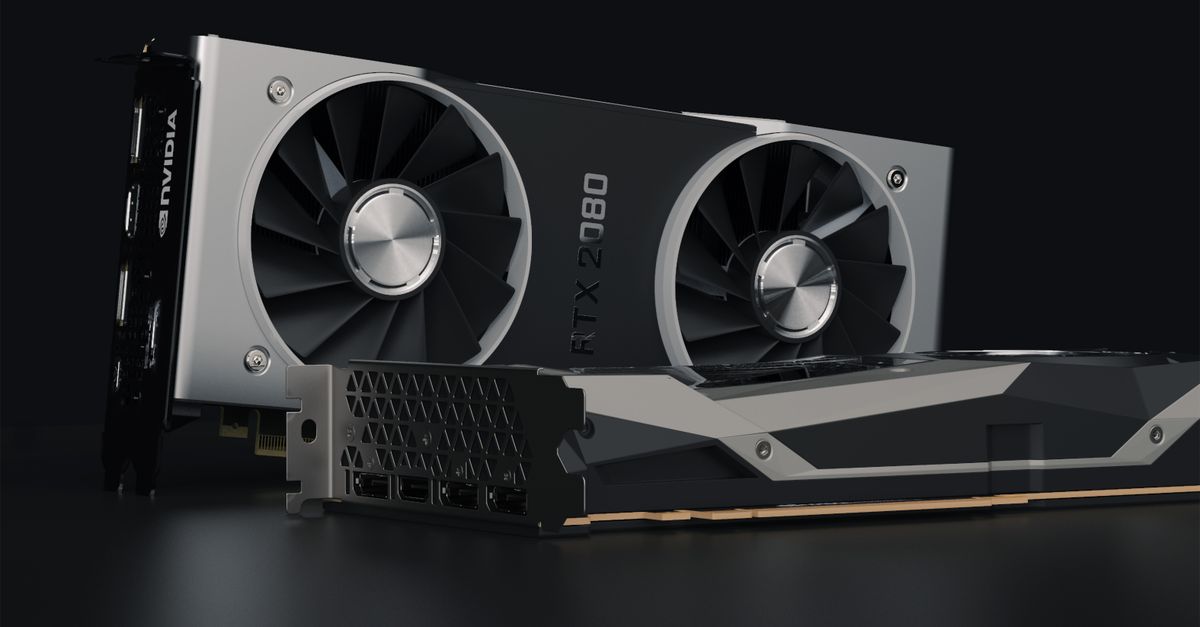
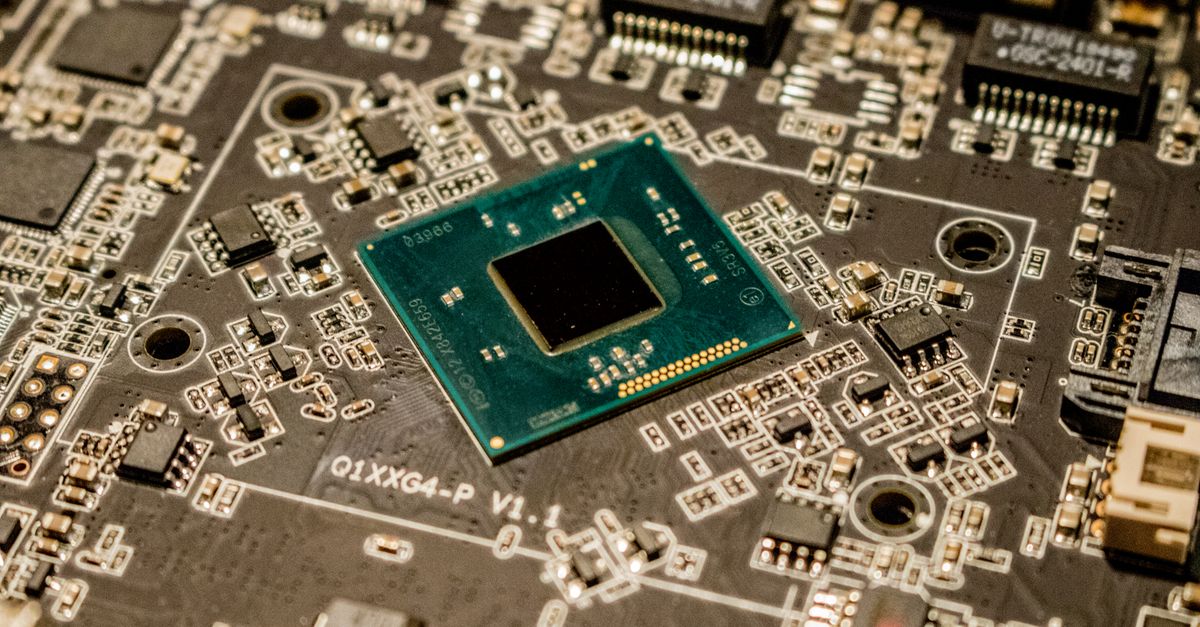
Chinese authorities are reviewing a plan to manage domestically developed artificial intelligence models and semiconductors as strategic national assets, with new controls on overseas transfers of core technologies under preparation, according to a report published on July 21 by blockchain outlet Cryptopolitan and cited in subsequent coverage. A draft of the rules has not been made public, and China is said to be strengthening legal mechanisms and industrial competitiveness at the same time. Major research institutions including the Center for Strategic and International Studies (CSIS), the Mercator Institute for China Studies (MERICS) and Rhodium Group have identified the strategic shift.
The potential curbs are tied to years of one-way US export restrictions. From October 2022 the United States sharply limited exports of advanced AI chips and semiconductor manufacturing equipment to China. CSIS said in a March report that China's integrated circuit output has fallen about 9.8 percent since 2022 and that many Chinese firms have been unable to produce chips on processes of 7 nanometers or smaller. CSIS researchers also argued that US controls acted as a catalyst for expanded national investment and a shift to domestically produced chips. MERICS said China's State Council implemented two sets of regulations in April addressing industrial and supply-chain security and responses to extraterritorial measures by foreign governments, including authority to designate "malicious entities."
Nvidia details Vera Rubin platform with a custom Arm-based CPU
Nvidia unveiled its Vera Rubin platform on July 21, positioning it as a full-stack AI factory system spanning seven co-designed chips, new networking and integrated software. The platform centers on a custom Arm-based processor built around Nvidia's Olympus core, with 88 custom cores, 176 hardware threads, up to 1.2 terabits per second of LPDDR5X memory bandwidth, 164 megabytes of unified L3 cache and up to 1.8 terabytes per second of coherent CPU-to-GPU bandwidth via NVLink-C2C. Nvidia describes the design target as the "max single-threaded CPU at scale," aimed at preserving per-core responsiveness while scaling across concurrent agent workloads.
Nvidia vice president Romain Coutand told the analyst briefing that the company "didn't set out to go win CPUs" but recognized that the CPU was becoming a bottleneck in the AI factory and built the processor to improve AI factory economics. Outside the CPU, the platform pairs NVLink scale-up with a purpose-built Spectrum-X Ethernet stack that includes 102.4T Spectrum-6 switches and 1.6T ConnectX-9 SuperNICs, along with adaptive routing, congestion control and telemetry tuned for RDMA and AI traffic. Production systems are already being deployed by CoreWeave, Google Cloud, Microsoft Azure and Oracle Cloud Infrastructure.
Taiwan chip supply chain under tighter green-power pressure
Taiwan's semiconductor supply chain is facing mounting pressure to secure enough green electricity as Apple and Google push suppliers to meet net-zero requirements, DIGITIMES reported on July 22. The strain is rippling from end customers down through foundries including TSMC and into upstream materials and packaging suppliers. The full article sits behind a paid subscription, and specific contract terms, supply volumes and timeline details were not disclosed in the available excerpt.
Context and milestones to watch
CSIS assessed in a November 2025 report that more than one million lower-performance Nvidia AI chips entered China through grey distribution channels, a figure that illustrates how enforcement could shape any new Chinese measures. Rhodium Group said in a May report that competitiveness is rising quickly in Chinese AI models, mature-node semiconductors, AI infrastructure and robotics even as cutting-edge AI chips remain a weakness. Near-term milestones include any further movement on China's draft export rules and licensing decisions in Washington, while Vera Rubin deployments by CoreWeave, Google Cloud, Microsoft Azure and Oracle Cloud Infrastructure continue to ramp, and Taiwan's suppliers await further renewable-energy guidance from Apple and Google.
Share this article