New York's statewide courthouse ban takes effect

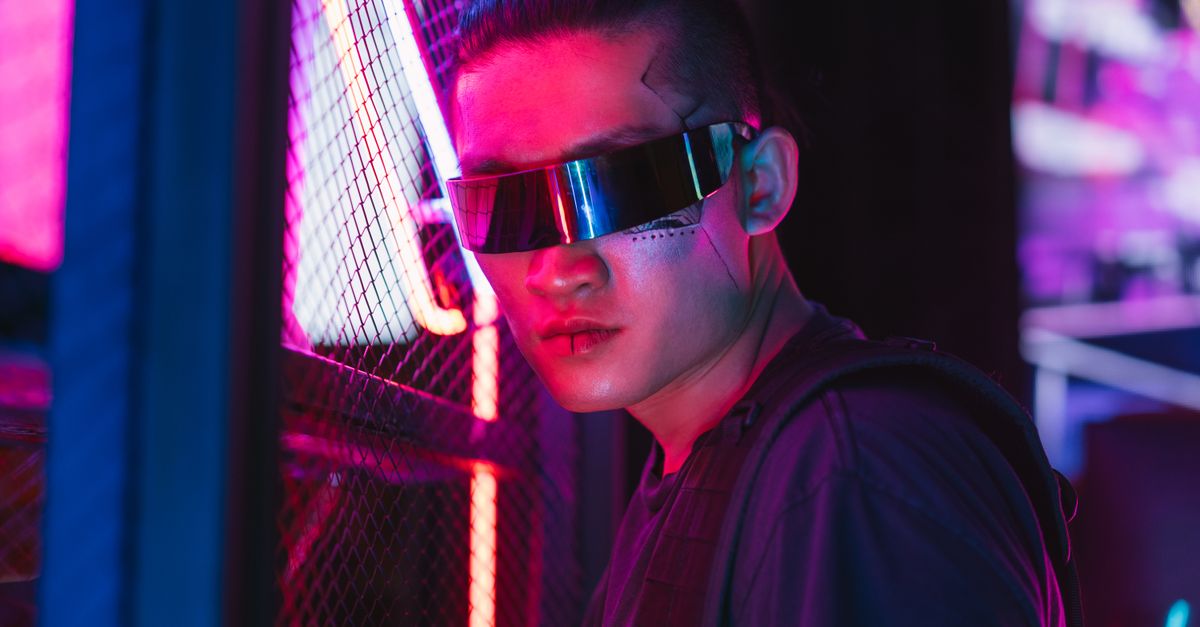
New York became the first US state to prohibit smart glasses from all of its courthouses, with a policy from the Office of Court Administration taking effect July 20 and applying to every person entering any of the state's more than 1,240 courts. The ban covers any eyewear or headwear containing a camera, microphone, computer, or other recording-capable technology, including prescription smart glasses, and requires visitors to surrender covered devices to uniformed court officers before admission. A one-page memo dated July 1 was sent to administrative judges and chief clerks and extends to court staff, attorneys, litigants, witnesses, family members, and any other entrants.
Enforcement gap drives the policy shift
The new policy does not create a new legal prohibition; New York courts already forbid recording inside courthouses, but officials described the rule as effectively unenforceable against wearables that look like ordinary frames. Daniel J. Siegel, chair of the Pennsylvania Bar Association's Committee on Legal Ethics and Professional Responsibility, said devices nearly indistinguishable from regular glasses make in-building recording bans practically unverifiable. The concern became concrete in a February New York courtroom incident in which members of a litigant's entourage wore Meta Ray-Ban glasses; no recording was confirmed, but the presiding judge warned that jurors could be captured and identified from such footage.
Instagram prohibits harassment videos filmed on smart glasses
Instagram head Adam Mosseri said the platform will no longer allow videos filmed on smart glasses that harass strangers in public, marking an enforcement shift after Meta's glasses helped normalize non-consensual recording. The policy targets unsolicited pickup attempts and prank-style content captured on Meta eyewear, with violators facing account bans. Meta separately announced an update that disables the camera if the capture LED is physically tampered with or destroyed, though the technical fix does not change courthouse access outcomes since modified or supposedly compliant devices are barred at the security checkpoint regardless.
Camera-less productivity glasses enter the market
The Halliday G2, priced at $599 and reviewed this week, removes the camera entirely as a privacy-by-design choice, positioning the device around productivity features such as live captions, real-time translation, and automated meeting summaries. A separate comparison review highlighted the Even Realities G2 and MemoMind One as competing approaches to functionality and user experience in 2026's smart glasses market, reflecting a broader split between recording-capable and camera-free designs.
Display makers target AI-era wearables
Samsung Display and LG Display unveiled new display concepts at the 2026 Korea Display Exhibition in Seoul, including face displays for humanoid robots and panels designed for AI smart glasses. The showcase signals the display industry's push toward next-generation form factors that blend AI assistants with wearable optics.
Follow-up signals
The next verifiable milestones include continued enforcement reports from New York courthouses following the July 20 effective date, potential expansion of similar smart glasses bans in other jurisdictions, and further product announcements expected as the K-Display 2026 showcase coverage continues.
PLACES IN THIS STORY
Explore the destinations behind this report
United States
New York
Browse travel guides, places to stay, attractions and local food in New York.
Explore New York →New York City Travel Guide: Getting Around and Eating WellShare this article