Attorney-General rejects federal import ban

Australia's Attorney-General, Michelle Rowland, said the federal government is not currently considering an import ban on smart glasses, even as she unveiled a draft of sweeping new privacy laws. Rowland told reporters the Privacy Act consultation does not address import restrictions, though she stopped short of ruling out future measures. The comments came as the government released the draft legislation and accompanying consultation paper on August 31, 2026.
Draft privacy package targets wearable recording
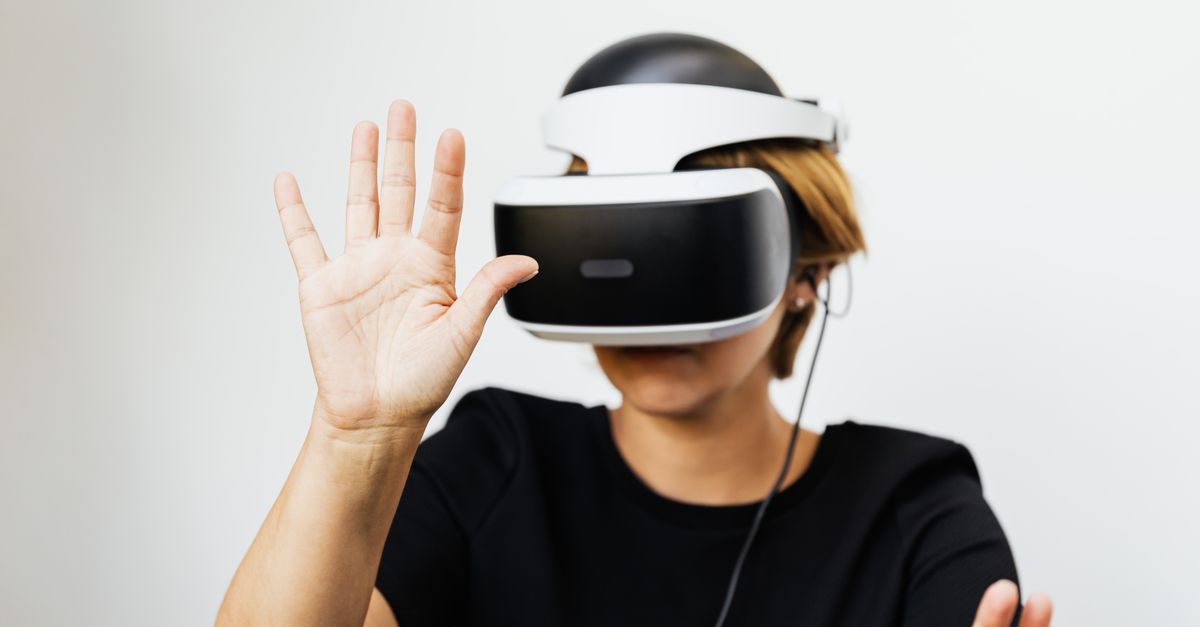
The draft legislation is designed to bolster privacy protections and address risks tied to artificial intelligence and wearable recording devices such as smart glasses. It includes a proposed "right to erasure" that would let individuals compel large social media platforms and search engines to delete their data. Rowland framed the package as technology-neutral, intended to capture privacy breaches from emerging devices without singling out any single product category.
Brisbane council and education settings move first
Rowland pointed to recent local action as a model for other jurisdictions, citing Brisbane City Council's decision last week to ban covert filming with AI smart glasses and other wearable recording devices at public pools. Education Minister Jason Clare's office confirmed that existing child-care restrictions already cover smart glasses, since any personal device capable of taking, storing, or transmitting images is prohibited in those centers. Rowland suggested other councils examine public spaces under their control, including council-run childcare facilities, for similar limits.
Nightclub policy highlights venue-level enforcement
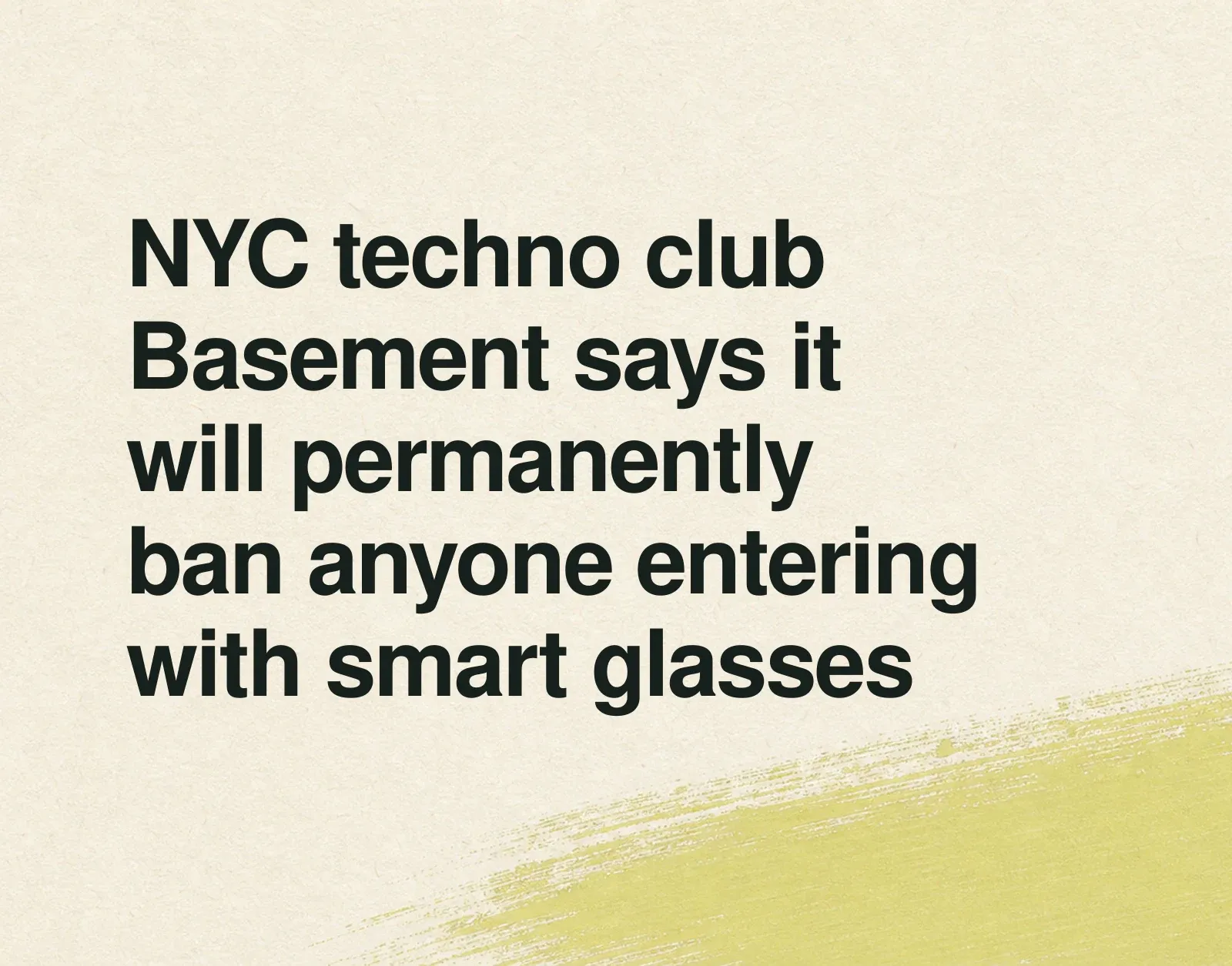
Outside the policy debate, Basement, a New York nightclub, posted what it called an unequivocal "smart glasses policy" on social media on August 27, 2026, declaring that anyone bringing smart glasses into the venue, whether worn or carried in a bag, will be asked to leave and may be permanently banned. The club framed the rule as an extension of its existing no photo and no video policy, citing privacy, safety, and freedom on the dance floor, and describing smart glasses as devices capable of discreet recording.
Greens and independents press for stronger action
Rowland acknowledged community concern over the harmful use of smart glasses, even as she declined to commit to an import moratorium. The Greens and some independents had called for imports to be halted for 12 months until privacy laws are strengthened. The Attorney-General said the government was open to "other measures" but did not specify what form those could take, leaving the door open to restrictions that stop short of an outright ban.
IDLock initiative sits alongside the reforms
Alongside the privacy draft, Rowland announced IDLock, a planned initiative intended to give individuals more control over how their identity documents are used for online verification. The government positioned IDLock as part of the same reform package addressing risks from AI and wearable technology, though details on rollout timing and scope were not included in the August 31 announcement.
PLACES IN THIS STORY
Explore the destinations behind this report
Australia
Brisbane
Browse travel guides, places to stay, attractions and local food in Brisbane.
Explore Brisbane →Brisbane travel guide: riverfront ease and foodie findsShare this article