KAIST and Nvidia open joint physical AI center

The Korea Advanced Institute of Science and Technology (KAIST) and Nvidia announced the establishment of the "Human Physical Intelligence Technology Center," a research hub aimed at building a general-purpose AI model that predicts a person's next movement by learning motion data collected from real people and wearable robots. The center is operated from KAIST's Human Physical Intelligence Research Center in the Department of Mechanical Engineering, with Professor Kong Kyoung-chul, an expert in wearable robots, and Professor Kim Jung, an expert in bio-robots, serving as co-directors. It is distinct from a separate joint research institute announced two days earlier that focuses on Korean-language and domestic-industry agentic AI technologies.
The collaboration's main goal is a "Human Motion Foundation Model" trained on large-scale data covering walking, joint movements, muscle force, and balance. KAIST contributes accumulated human motion data and motor-control experience from wearable robots for walking assistance and rehabilitation, as well as commercialization experience through Professor Kong's startup Angel Robotics. Nvidia's Charles Cheung, senior manager at the Nvidia AI Technology Center, will provide technical advice and development support, and the two sides plan programs using Nvidia's Omniverse platform and digital twin technology.
Musk frames robotics as path to abundance
Elon Musk said artificial intelligence and robotics could deliver widespread economic abundance, while acknowledging the risks of their rapid development. In an interview with The Economist, the SpaceX CEO said the pace of progress in AI and robotics had become so rapid it could not realistically be stopped, and predicted the technologies would reshape the global economy within the next decade. He added that money may become irrelevant as machines take on more tasks and increase productivity, signaling that his focus has shifted to AI's economic possibilities rather than just its dangers.
Humanoid robots demonstrate dance and conversation in Okayama
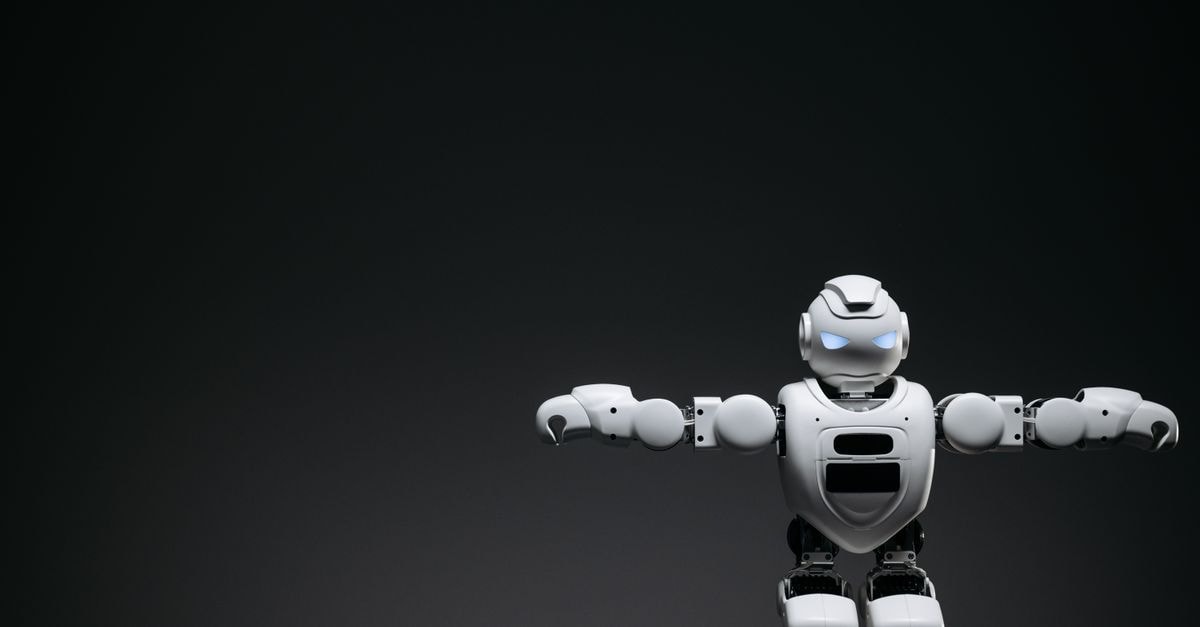
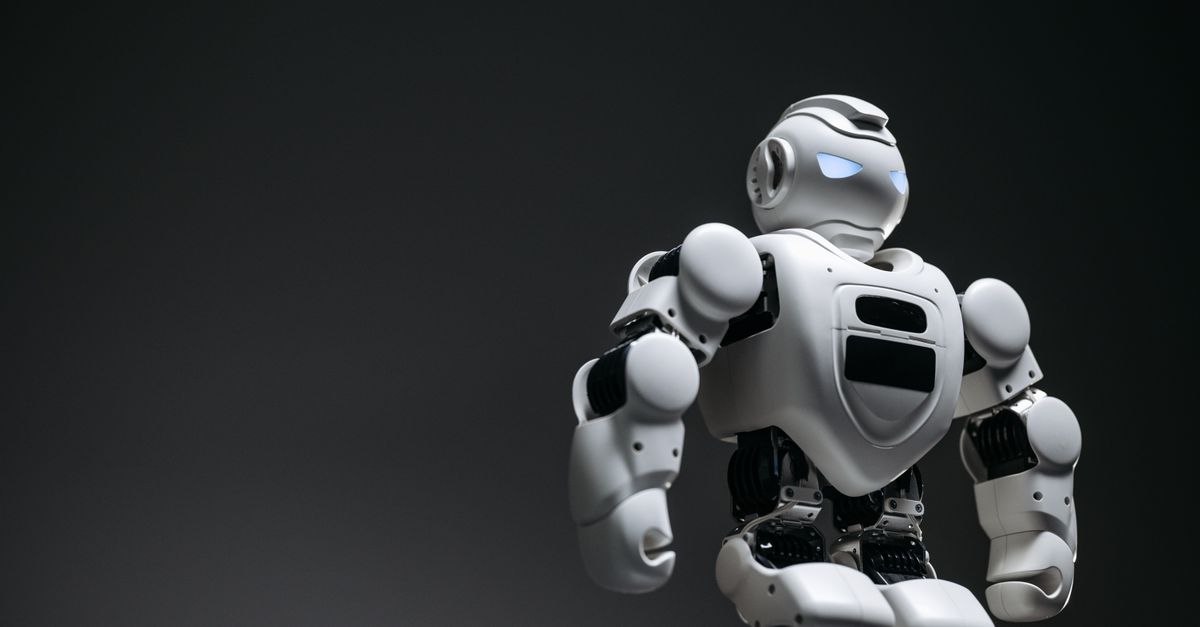
Humanoid robots manufactured by China's Unitree Robotics performed the traditional Japanese dance daikan bayashi and held conversations at an event hosted by Kurashiki-based MASC at the Kurashiki Chamber of Commerce and Industry. The robots used advanced motion-control and AI technologies to achieve human-like movements and to respond via voice recognition. MASC, a general incorporated association seeking to commercialise flying cars, said it introduced the robots to help the public become more familiar with next-generation technologies. "I want many people to experience a society where we live alongside robots," said Kazuaki Sakamoto, 72, vice-director of MASC. Two robots are scheduled to perform daikan bayashi again at the Kurashiki Tenryo Summer Festival, and a robot has also been serving as a guide at the Kurashiki flying-car exhibition hall since July 1, providing explanations in 50 languages.
Indigenous-language SkoBots built by students
Danielle Boyer, 25, a member of the Sault Tribe, has expanded a nonprofit program that mentors Native American children to build SkoBot toy robots programmed to speak Indigenous languages. The customizable robots, designed to resemble woodland creatures decorated in Native American florals, use a form of artificial intelligence to play prerecorded audio files triggered by a keyword rather than generative speech. One of her students, 12-year-old Holden Hoy of the Sault Tribe, presented his Ojibwe-language SkoBot named Sabe ("Bigfoot") at JKL Bahweting Anishinaabe School's end-of-year STEAM Museum showcase in Sault Ste. Marie, Michigan. Anishinaabemowin, which includes the Potawatomi, Odawa and Ojibwe languages, has fewer than 10,000 speakers in the U.S. and around 25,000 in Canada, according to the report.
Singapore's Ropedia raises $30M for physical-AI data
Singapore-based startup Ropedia raised a $22 million pre-Series A, bringing total funding to $30 million, to build data infrastructure for physical AI. Founded in late 2025 by CEO Zhaoxi Chen, CTO Fangzhou Hong, and Chief Scientist Ziwei Liu of Nanyang Technological University, the company developed HOMIE, a head-mounted wearable that captures synchronized first-person video, depth, audio, camera pose, hand motion, and full-body motion for training humanoid robots. Its Xperience-10M dataset on Hugging Face lists 10 million interaction experiences and 10,000 hours of synchronized recordings across six video streams, totaling about 1 petabyte of data. Earlier backers include super angels tied to Google, Nvidia, a16z, and Amazon, and the company reported supplying more than half of the data sources used to train MolmoMotion, a 3D motion-forecasting model from the Allen Institute for AI. Ropedia plans a second-generation HOMIE device next month, with an eventual target of as many as 10,000 devices.
Follow-up signals
The KAIST-Nvidia center will review research goals every six months and host an annual international symposium, while Ropedia plans to release a second-generation HOMIE capture device in the coming month and to expand data collection across Southeast Asia and North America.
Share this article