First orbital flight and satellite deployment

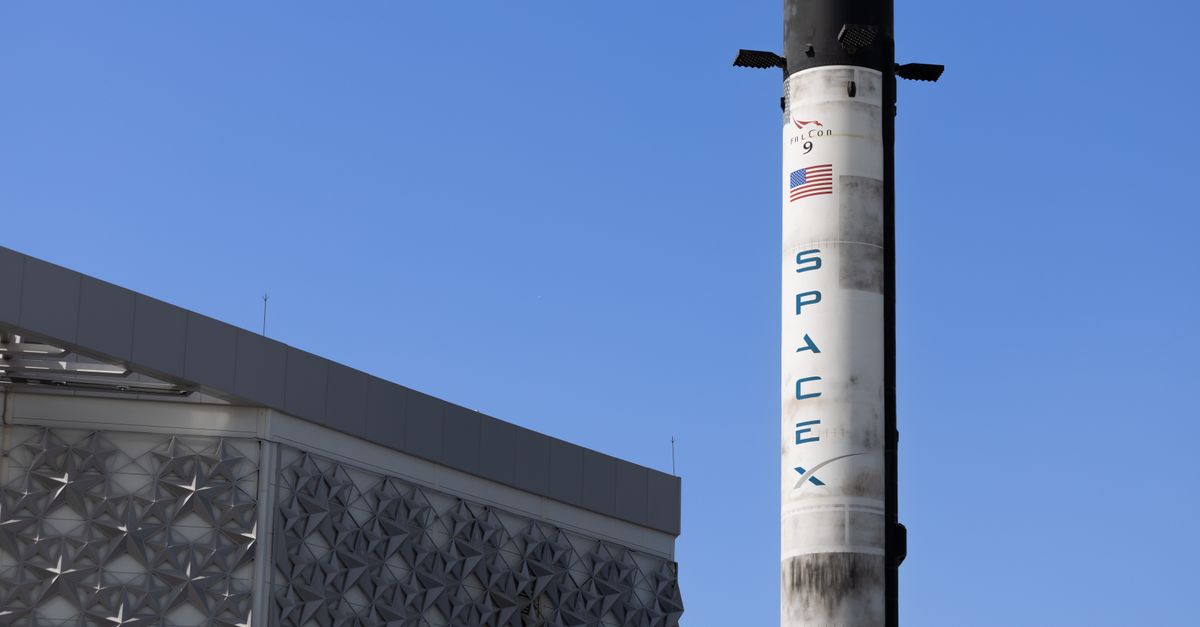
SpaceX completed Starship's first orbital mission on September 30, 2026, deploying 26 Starlink V3 satellites into Earth orbit before the vehicle executed a controlled splashdown in the Pacific Ocean. The company reported that the flight was used to test both payload deployment and recovery procedures intended for future Starlink and commercial launch services. SpaceX stated that each V3 satellite adds about one terabit per second of capacity, and the 26-satellite batch represents roughly 10 times the capacity added by a single Falcon 9 launch carrying V2 Mini satellites. The company said the satellites would raise their orbits and undergo checks before potentially serving customers within weeks.
Engine shutdown and shortened mission profile
Starship Flight 14 reached orbit despite an engine shutdown during ascent, which shortened the mission. The vehicle still completed satellite deployment before the controlled Pacific splashdown. Andrew Bonwick, vice president of product development and innovation at Bermuda-based specialty insurer Relm Insurance, told Benzinga that "Starship is still a science experiment" and that the next critical step is "getting that second stage reusable … on a timeline that makes it commercially viable." Bonwick said he is "pretty convinced" Elon Musk will get there, "but it's not there yet," and added that customers flying satellites worth hundreds of millions of dollars would likely want to see around "10 successful launches in a row" before trusting Starship with an expensive payload.
Analyst reaction and reusability outlook
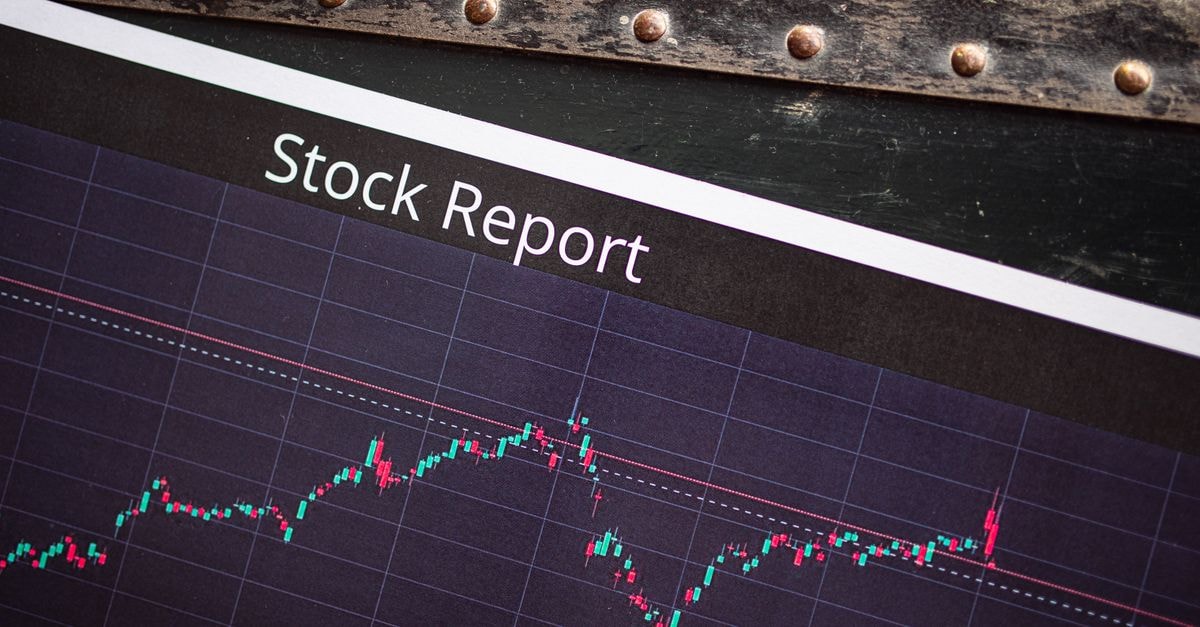
Gene Munster of Deepwater Asset Management estimated SpaceX will conduct about 170–180 missions this year and forecast 2,200 annual launches by 2030. "If they get to that 2k-plus number, my guess is the stock more than doubles from here," Munster said on X, calling the week "bigger than most investors realize." CLSA issued an 'Outperform' rating with a $250 price target, Morgan Stanley retained an 'Overweight' rating with a $300 target, and TD Cowen initiated coverage with a 'Buy' rating and a $200 target. Morgan Stanley graded Flight 14 a B+, praising the orbital milestone while flagging recurring propulsion issues, and said a future ship catch could become a major stock catalyst. SPCX shares rose 2.6% to $149.24 on Tuesday, bringing September's gain to about 3.9% after a 32.6% advance in August.
Falcon 9 retirement and competitive pressure
SpaceX has reportedly stopped taking new Falcon 9 bookings for missions after 2028, including rideshare flights, as it shifts toward Starship, a transition Bonwick said could create an opening for Rocket Lab Corp. and its larger Neutron rocket. "There are people that we know who are trying to get stuff into orbit in a couple of years' time, there's nowhere to go," Bonwick said. He said insurers see opportunity in Earth observation but that the value is increasingly in selling actionable answers, such as crop-water needs or vessel tracking, rather than raw satellite images.
Other developments
Separately, Ahmedabad-based spacetech startup SatLeo Labs announced plans to launch its indigenous thermal infrared Earth-observation payload TAPAS-1 aboard a SpaceX Falcon 9 rocket, with the company saying the data is expected to find applications in agriculture, water-stress monitoring, urban heat management, infrastructure and industrial monitoring, and defense.
Share this article