The milestone flight

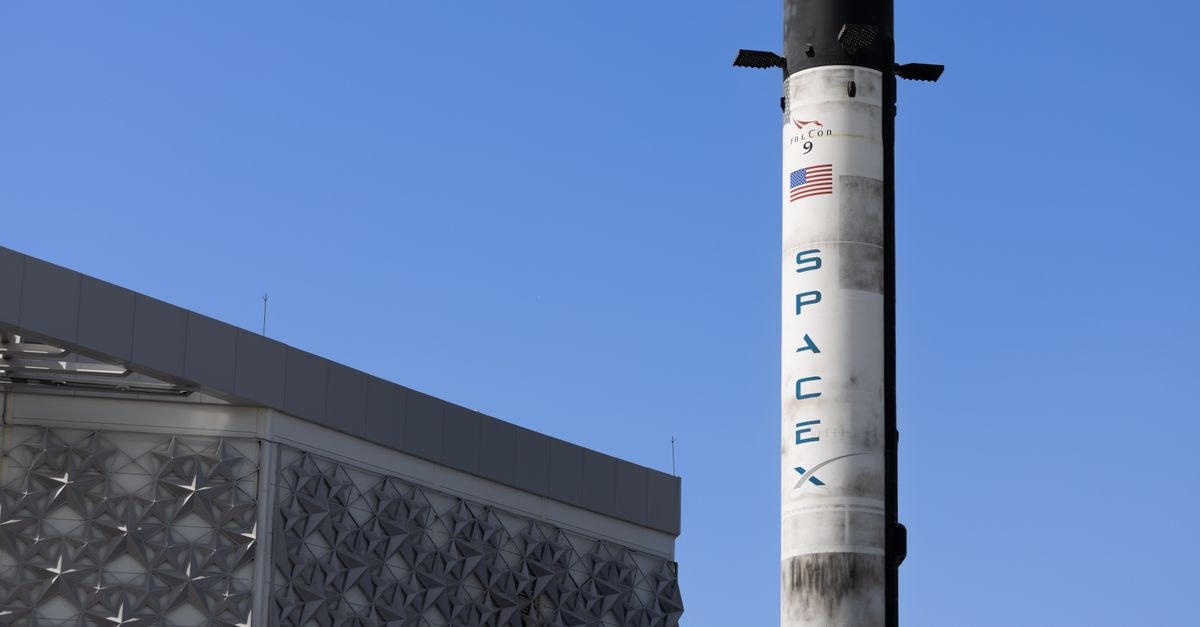
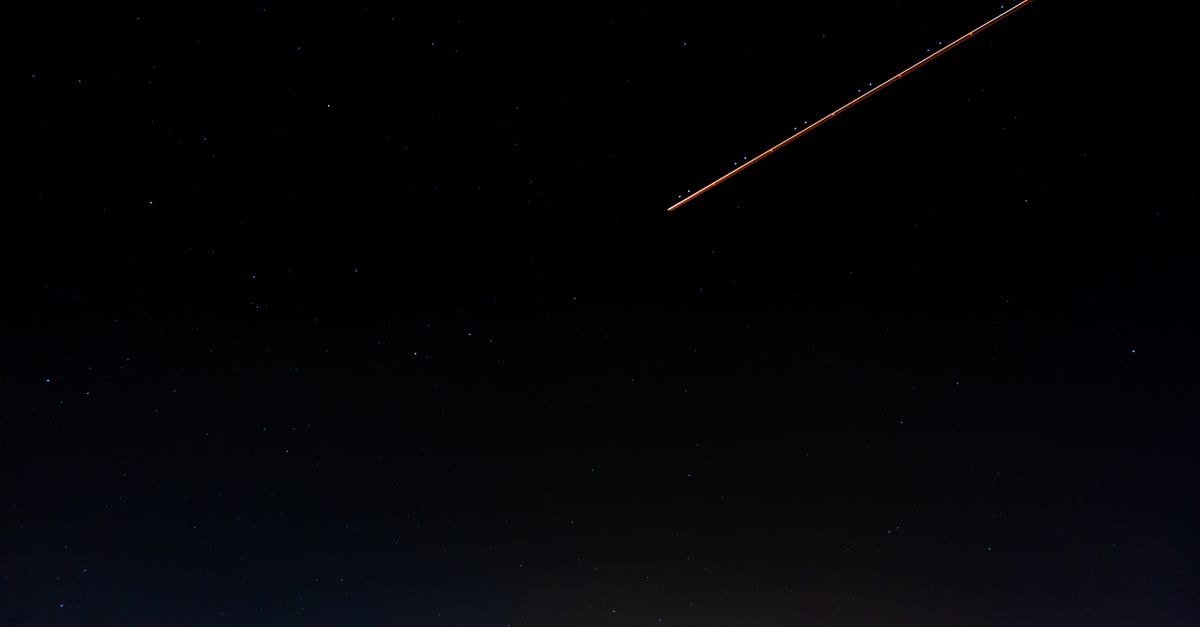
A Falcon 9 carrying 24 Starlink satellites lifted off from Vandenberg Space Force Base in California, crossing into the early hours of 19 August UTC. It was SpaceX's 100th launch of 2026, a count the company reached by mid-August rather than in the autumn. SpaceX first topped 100 launches in 2024, when it finished the year with 138 missions, but did not pass that threshold until well into the season. The 2026 milestone was reached about two months sooner than the equivalent 2024 marker.
How the pace has changed
By 18 August, SpaceX had averaged more than three launches per week in 2026. That tempo stands in sharp contrast with its earlier cadence: the company flew 25 launches in 2020, followed by 31, 61, 96, 134, and 165 launches through 2025, with each successive year outrunning the last. Anne Mason, SpaceX's director of national security space launch, captured the shift internally, noting that SpaceX has moved from roughly twice a month in 2020 to launching on average every two to three days. When launches happen more than three times a week, the cadence stops feeling like news and starts feeling like routine infrastructure.
The factory behind the flight rate
The acceleration is paced by production rather than launch operations alone. Mason attributed SpaceX's tempo to its manufacturing output, stating that a second stage now comes off the production line every two and a half days. While Falcon 9 boosters are recovered and reused, the upper stage is expended on each flight, so maintaining a multi-launch-per-week rhythm requires building a new second stage at roughly the same rate. The pace in the sky, in that sense, is set by the pace on the assembly line.
What the milestone signals
Reaching 100 launches by mid-August underscores how quickly routine access to orbit has come to define SpaceX's operations. The shift from a twice-monthly cadence in 2020 to a near-daily one in 2026 reframes launch activity as a steady operational rhythm rather than a series of singular events, a change the company itself has acknowledged from within.
Other developments
Separately, a former Tesla president suggested the repeatedly delayed next-generation Tesla Roadster is being shaped by SpaceX technology ahead of a merger between the two companies. Jon McNeill, Tesla's president from 2015 to 2018, said an upcoming Roadster demonstration could showcase "hovering" enabled by a SpaceX-developed cold-gas thruster system internally code-named A71, and described the program as an effort to knit Tesla and SpaceX closer together.
Share this article