Launch and ascent from Starbase

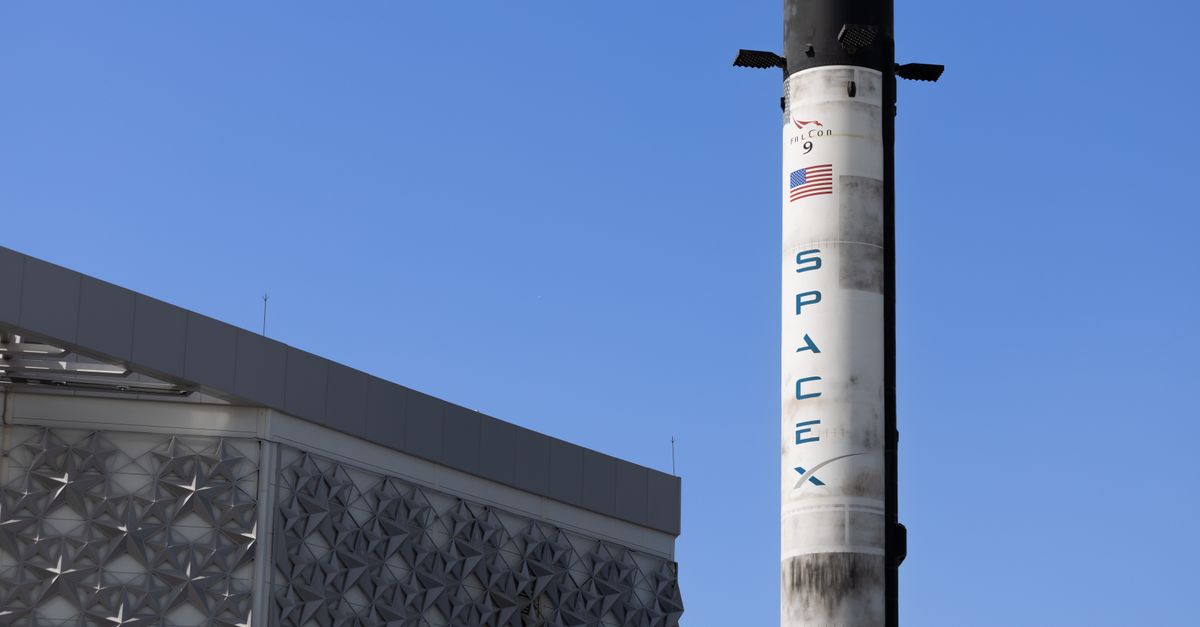
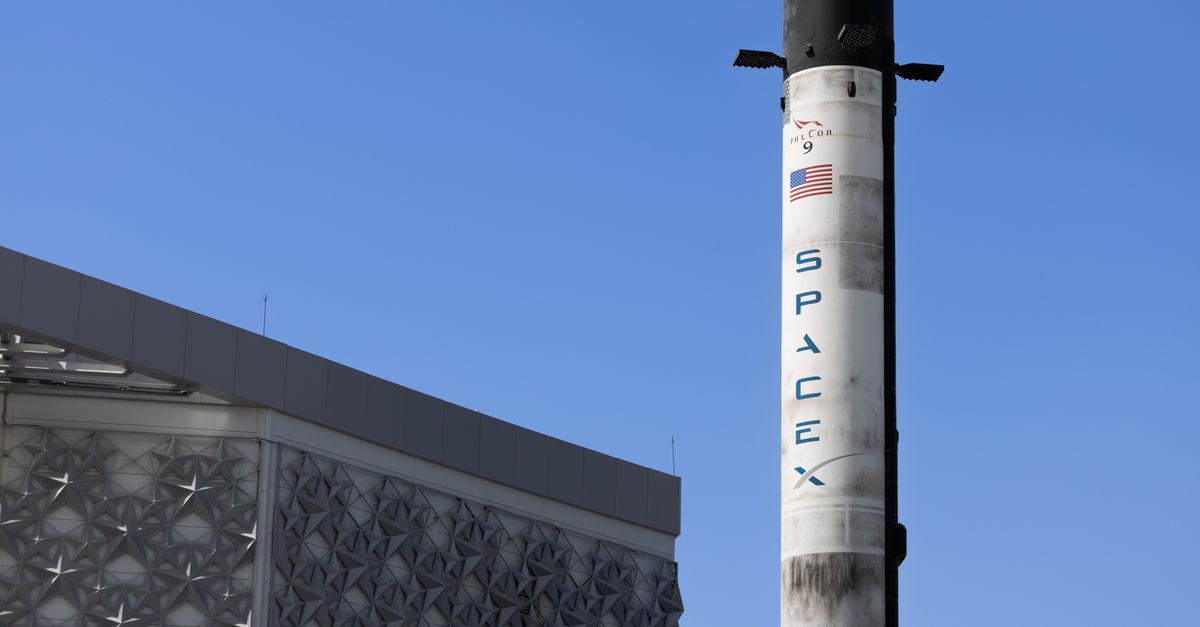
SpaceX launched its 13th Starship suborbital test flight on July 24 at 6:51 p.m. Eastern from the company's Starbase facility in Boca Chica, Texas. The vehicle, a third-generation Starship V3, lifted off on 33 methane-fueled Raptor engines producing roughly 16 million pounds of thrust and flew a similar suborbital trajectory to Flight 12 in May. The launch had been delayed about 24 hours because cloudy conditions would have prevented imaging of the vehicle during ascent, while a previous attempt on July 16 was aborted moments after engine ignition when four of the Super Heavy booster's 33 Raptor engines failed to start properly.
Starlink V3 deployment and in-space engine relight
Once in space, the Starship upper stage deployed a payload of 20 functioning Starlink V3 satellites from a slot near the nose of the vehicle, marking the first time the rocket carried working satellites rather than mass simulators. The satellites spent roughly 20 minutes in space, deploying solar arrays and antennas and running communications tests with ground stations and other Starlink spacecraft. SpaceX executive Michael Nicolls said on social media that the company had "successfully communicated with all sats using RF [radio-frequency] and laser links and been able to download key telemetry." After deployment, Starship reignited a Raptor engine for about 14 seconds, a significantly longer relight than on previous flights, demonstrating a capability required for future lunar missions.
Booster performance and engine issues
All 33 first-stage engines fired normally at liftoff, but only some of the 13 engines planned for the booster's landing burn reignited during descent, causing the Super Heavy booster to slam into the Gulf of Mexico with higher-than-targeted velocity. SpaceX spokesperson Dan Huot acknowledged on the launch webcast that "we were targeting a softer splash on it, and as you saw, it came in with quite a bit of velocity." The June investigation into the July 16 abort traced the earlier engine failures to an "off-nominal spin response" in liquid-oxygen turbopumps linked to moisture that froze on contact with propellant; SpaceX replaced six engines and tested them on the pad on July 22 before the successful launch.
Reentry and first intact ocean splashdown
Starship performed a belly-first reentry and a soft splashdown in the Indian Ocean about 65½ minutes after liftoff, then floated in the water while continuing to return imagery rather than exploding on contact as on prior flights. Huot called the result "a dream scenario for the team that's trying to get this heat shield data," while Elon Musk posted on X that "Starship is intact, floating in the ocean and transmitting telemetry." Six of the Starlink V3 satellites carried cameras to photograph the heat shield, and some shield tiles were deliberately painted white to simulate missing tiles as part of a robustness experiment.
Implications for NASA and the Artemis lunar lander
The mission's success is consequential for NASA's Artemis program, which depends on a Starship-derived Human Landing System to carry astronauts to the lunar surface. NASA plans to need up to 15 or so tanker Starship launches to refuel the lander in low Earth orbit before it can rendezvous with a Lockheed Martin-built Orion capsule. NASA Administrator Jared Isaacman shared an image of Starship passing the Moon, writing that "pretty clear from this shot that SpaceX knows where we are going!" A Government Accountability Office report released July 24 warned that "SpaceX's progress in developing its cryogenic fuel management technologies is a top risk for the program" and that SpaceX is "more than a year behind its original schedule for key events," including propellant-transfer demonstrations and an uncrewed lunar landing test.
Outlook after SpaceX's first post-IPO flight
The flight was SpaceX's first Starship test since the company went public on Wall Street in June. SpaceX did not immediately disclose follow-up plans, though SpaceX President Gwynne Shotwell said in a June interview that if Flight 13 succeeded, the company could attempt the first orbital Starship mission on Flight 14 and the first launch from Florida on Flight 15. NASA is targeting Artemis III for launch before the end of next year to test docking of the Orion capsule with Starship in low Earth orbit, while Blue Origin continues parallel work on a competing lunar lander.
Share this article