Pricing undercuts market benchmarks despite upward industry trend

The reported five-year arrangement is estimated at about $7 billion, working out to roughly $1.60 per chip-hour with about 30% paid upfront, according to the Financial Times. Neither Oracle nor Tencent has confirmed the deal, and the chip model remains unspecified, though the FT notes such leases are permitted under current U.S. export rules because the hardware is unavailable in China.
That implied rate sits 43% below SemiAnalysis's August index of roughly $2.80 per GPU-hour for one-year Nvidia H100 contracts and about 48% under the $3.09 per GPU-hour disclosed in a 2025 Datasection filing for a three-year Nvidia B200 contract, per Tom's Hardware and FT reporting. Tom's Hardware analysis suggests the pricing better fits Hopper-class silicon (H100 and H200) at volume; H200 imports into China remain limited, which would satisfy the deal's "unavailable in China" condition. The discount cuts against the FT-reported industry drift toward longer terms and larger upfront payments at higher rates.
Tencent extends an existing overseas compute strategy
Tencent previously signed a $1.2 billion-plus deal for Datasection Blackwell rentals in Japan and Australia, the FT reported in December 2025. On Tencent's August 12 earnings call, Chief Strategy Officer James Mitchell said compute rental prices continue to climb, and President Martin Lau said the company could sell existing chip orders at "more than 30% profit" versus prices paid a few months earlier. Tencent's May cloud price increases could help recoup the cost of rented chips, while an upfront payment, if the reported arrangement proceeds, could improve Oracle’s cash flow.
Oracle's utilization and prepayment mix fit the structure
Oracle operates two Singapore cloud regions and has announced a Malaysia region; specific countries, sites, and the start date for this lease remain undisclosed. On its June call, Oracle said fiscal Q4 (March to May) added $67 billion of AI contracts, mostly prepaid or bring-your-own-hardware deals. A quarterly filing showed $11.4 billion of prepayments with a significant financing component from June through August, with deferred revenue rising from $15.4 billion to $30.8 billion. On its September 10 earnings call, Oracle reported 97.9% GPU utilization and renewals at a 20% average premium, mostly on GPUs four years or older, leaving limited room to expand capacity without new multi-year, partially prepaid deals of this kind.
What the reviewed reports do not disclose
The reviewed reports do not name the chip model, the Southeast Asian countries or sites involved, or the lease start date, and Oracle's deferred-revenue figures cannot be tied to any specific customer, including Tencent. The FT identifies ByteDance and Alibaba as the biggest clients of Southeast Asian data centers, using the capacity for AI training that domestic chips cannot yet handle.
Related industries and supply products
Industry / product or service | Evidence level | Event connection | Verification signal | Main risk |
|---|---|---|---|---|
AI accelerator GPUs (Hopper/Blackwell class) | Inferred | Report estimates ~100,000 chips rented; pricing fits Hopper class at volume | Public chip-model disclosure by Oracle or Tencent | Export-control changes could void the structure |
Southeast Asian colocation / data center capacity | Reported / not company-confirmed | Reports describe Southeast Asian capacity; countries, sites and start date remain undisclosed. Existing Oracle regions do not establish this lease’s locations. | A transaction-specific country or site disclosure from Oracle or Tencent | Site-level power and delivery constraints require verification once locations are disclosed |
GPU cloud rental and managed hosting | Reported / not company-confirmed | Tom’s Hardware, citing the Financial Times, reports a five-year lease with about 30% upfront; neither company has confirmed the arrangement. | A transaction-specific disclosure; aggregate prepayments and deferred revenue cannot identify this customer | Competitive pressure from Datasection and Japanese/Australian operators |
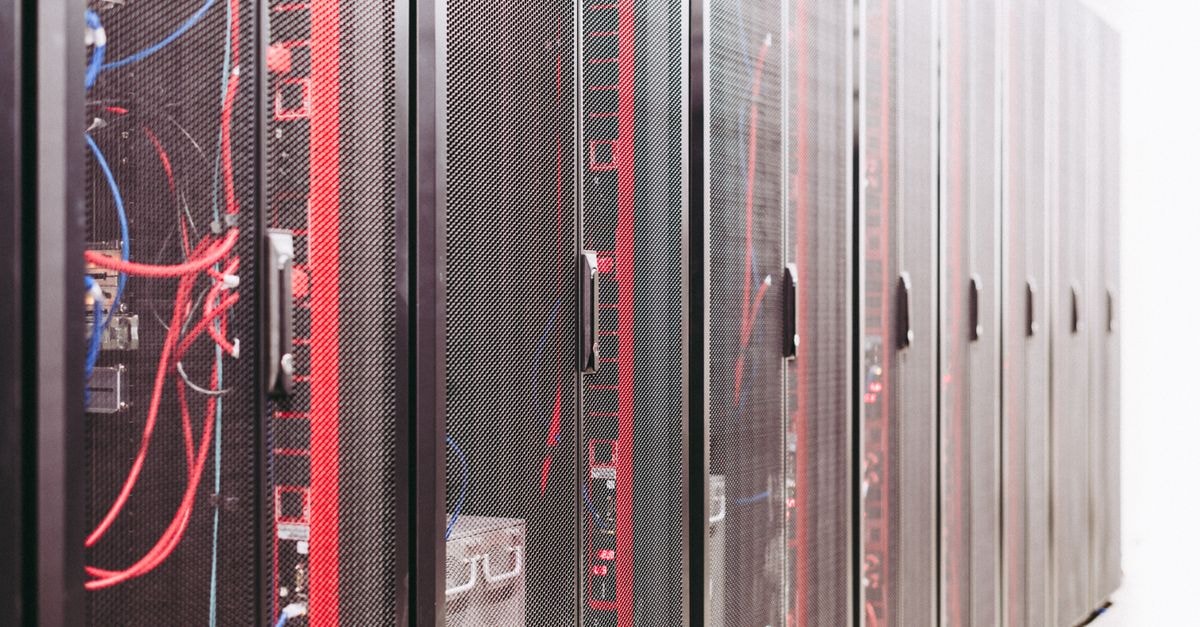
Networking, power and cooling for AI clusters | Research watchlist | The reported compute capacity makes these support categories relevant to monitor; a lease does not establish new equipment purchases or additional spending. | Oracle or supplier disclosures identifying incremental equipment orders or capital spending | Lower utilization could weaken returns; the reports do not establish a break-even utilization threshold |
PLACES IN THIS STORY
Explore the destinations behind this report
Singapore
Singapore
Browse travel guides, places to stay, attractions and local food in Singapore.
Explore Singapore →Singapore Travel Guide: Getting Around, Top Sights, and Food CultureShare this article