City and district background: this article describes the city, rather than a verified lodging property.
A Nile Town with Deep Roots

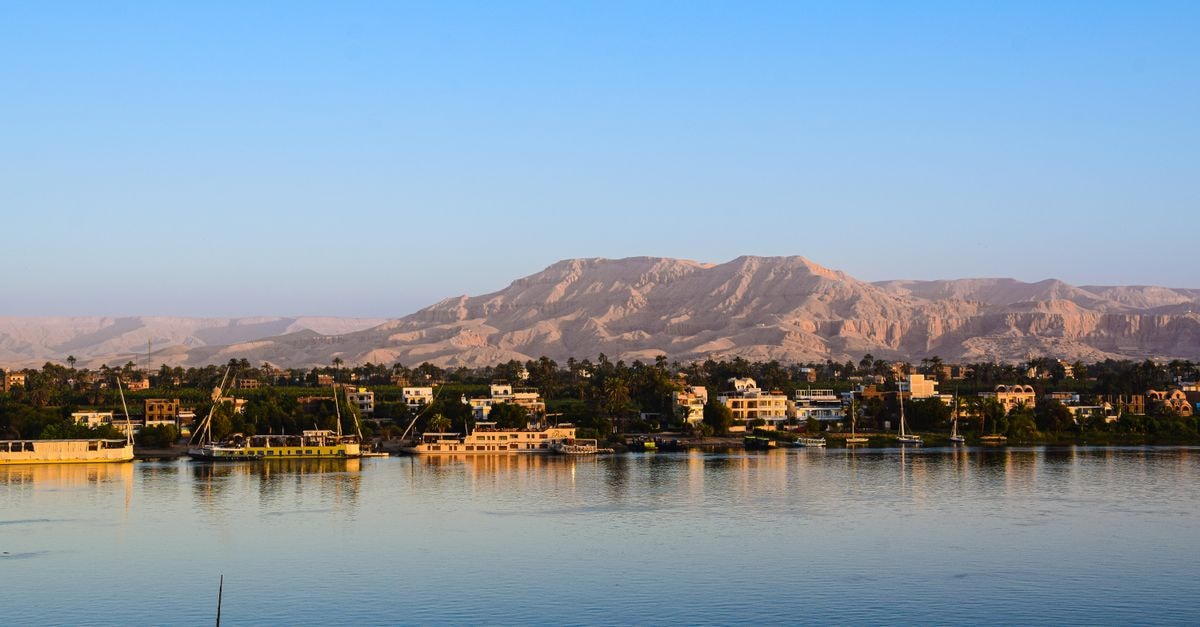
Esna is an ancient Egyptian city set on the west bank of the Nile, about 55 km south of Luxor in Upper Egypt's Qena Governorate. Long known by its older names Iunyt and Latopolis, it ranks among the oldest cities in Egypt, and in 300 BC it served as the capital of the third Nome of Upper Egypt. Today it remains a small Nile town with a population of around 20,000, offering an intimate window into everyday Egyptian life.
Layers of History in the Urban Fabric
What gives Esna its texture is the way different eras remain visible in the streets. The urban fabric still holds Ancient Egyptian, Greco-Roman, Coptic, Islamic, and modern layers of history. Among the surviving monuments is Wekalet Al-Geddawy, an 18th-century caravanserai built by the Ottoman-era ruler Hassan El-Geddawy. In its day, the wekala was one of the most important trade centers in southern Egypt, drawing traders from across Africa via the western desert and the Red Sea.
The city's social structure is just as distinctive. The center is divided into spatial domains inhabited by deeply rooted Esna families, and traditional crafts that have been practiced since the medieval era continue alongside modern life. Even with that richness, Esna's once-vibrant marketplaces, religious landmarks, and merchant residences became physically degraded and economically marginalised over time, a situation that revitalization efforts now aim to reverse.
Revitalization and Heritage Conservation
A focused project led by Takween has set out to address cultural tourism challenges in Upper Egypt through inclusive growth and heritage conservation. The effort encompasses physical interventions, socioeconomic initiatives, and innovative urban strategies, with the goal of transforming Esna from a site long centered on the Temple of Khnum into a prospering historic city. The project explicitly frames heritage conservation as a lever for sustainable development in the region.
The Temple of Khnum and Other Landmarks
The most significant monument in Esna is the Temple of Esna, dedicated primarily to the creator god Khnum along with deities such as Neith, Heka, and other members of the local pantheon. Its hypostyle hall, supported by elaborately carved columns, is widely regarded as one of the most extraordinary parts of the complex and a striking example of later Egyptian temple architecture.
A Stop on the Classic Nile Cruise Route
Esna lies directly on major Nile cruise routes, as travelers journey between Luxor and Aswan. That position, combined with its smaller size and less crowded tourist footprint, helps keep daily costs more affordable than at larger Egyptian hotspots, making it an appealing choice for visitors seeking a quieter stop along the river.
Local Context and Nearby Places
Accommodations in Esna are concentrated primarily in the historic center and near the Temple of Khnum, placing visitors within walking distance of the city's layered past. A mapped fish restaurant sits about 196 m away, adding a simple local catering option close by.
Practical Considerations
Some details about accommodations, room configurations, and amenities in Esna can change over time, so it is worth confirming current arrangements when planning a stay.
Share this article